
Last updated October 15, 2026
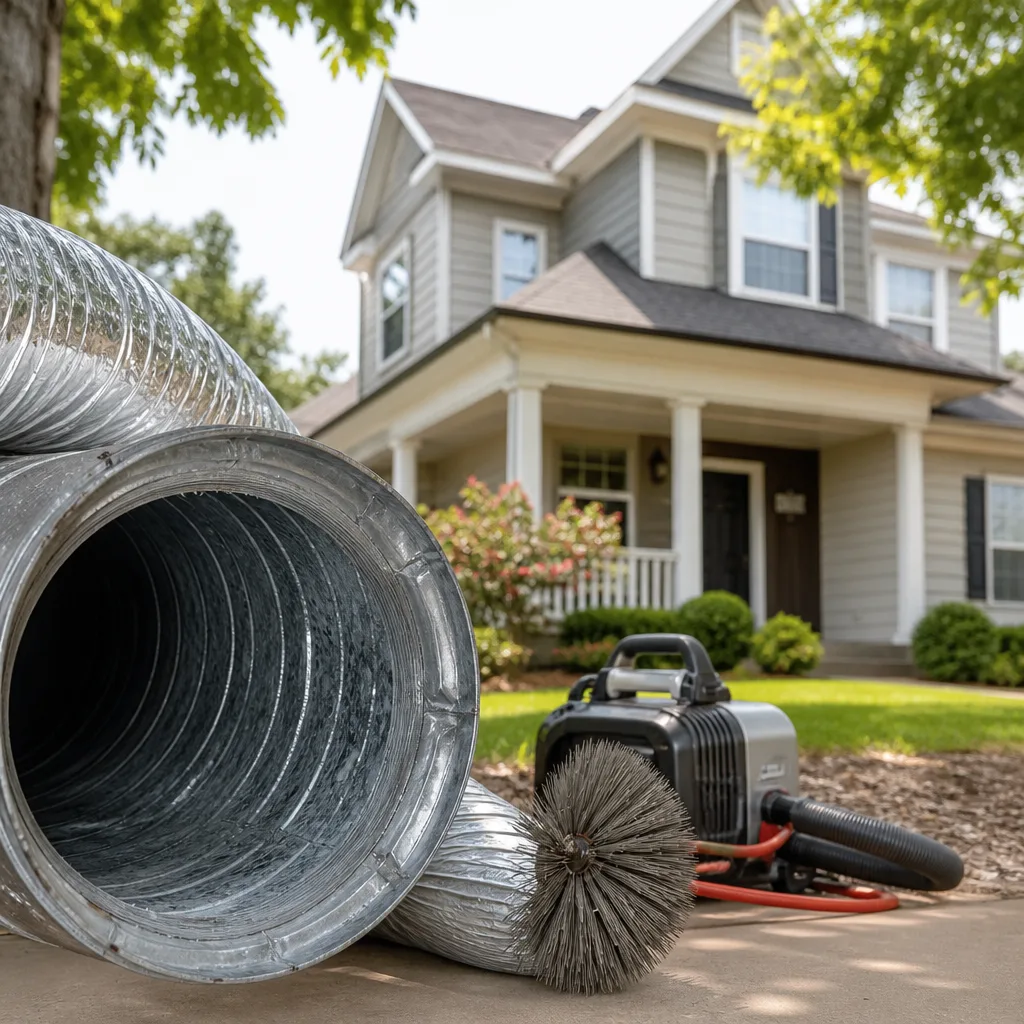 Whole-home duct cleaning
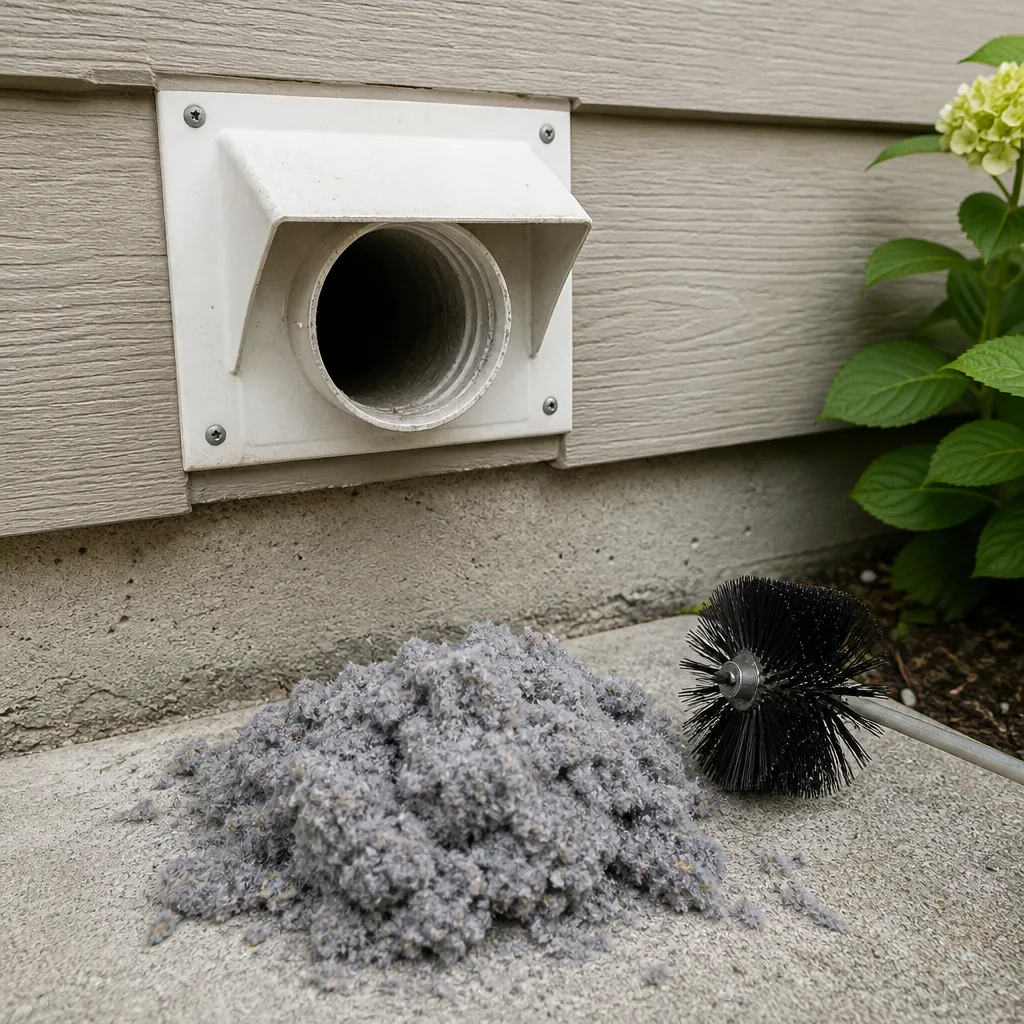 Dryer vent cleaning
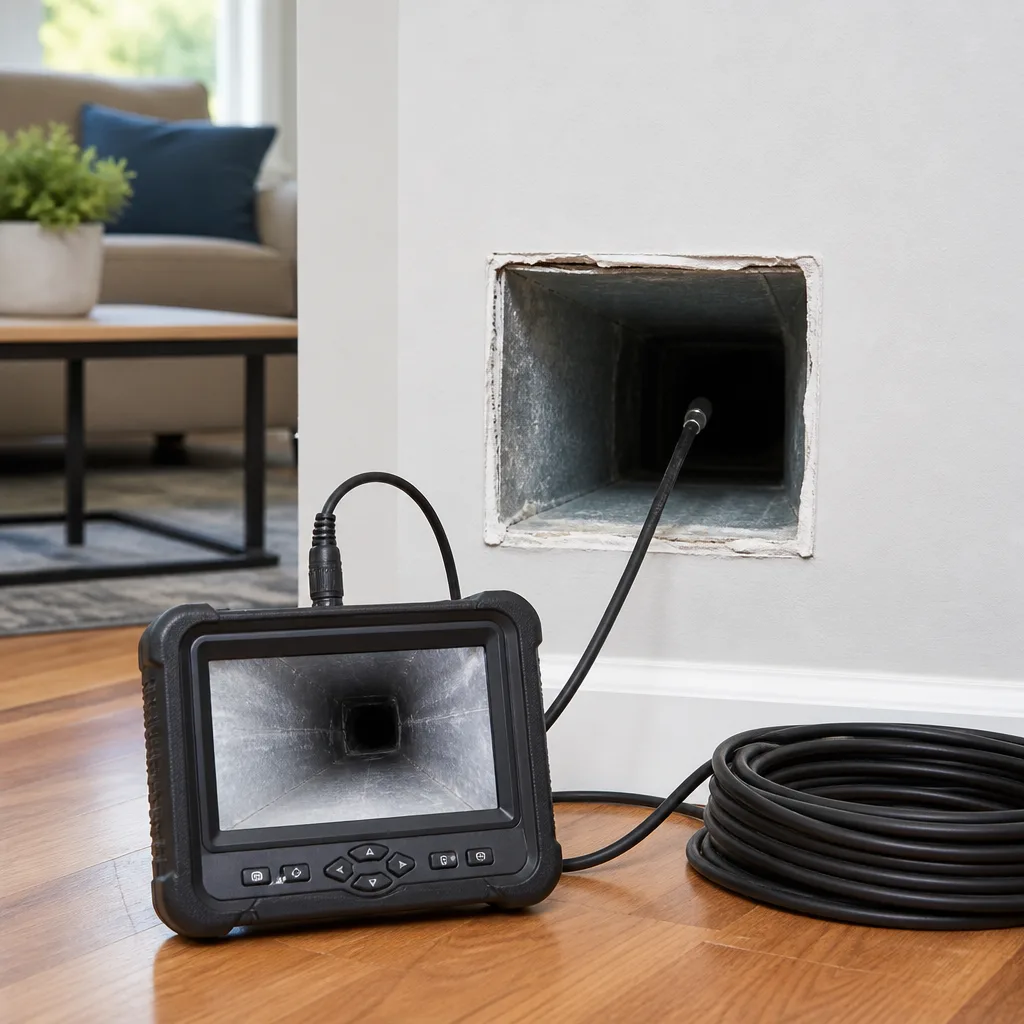 Camera inspection
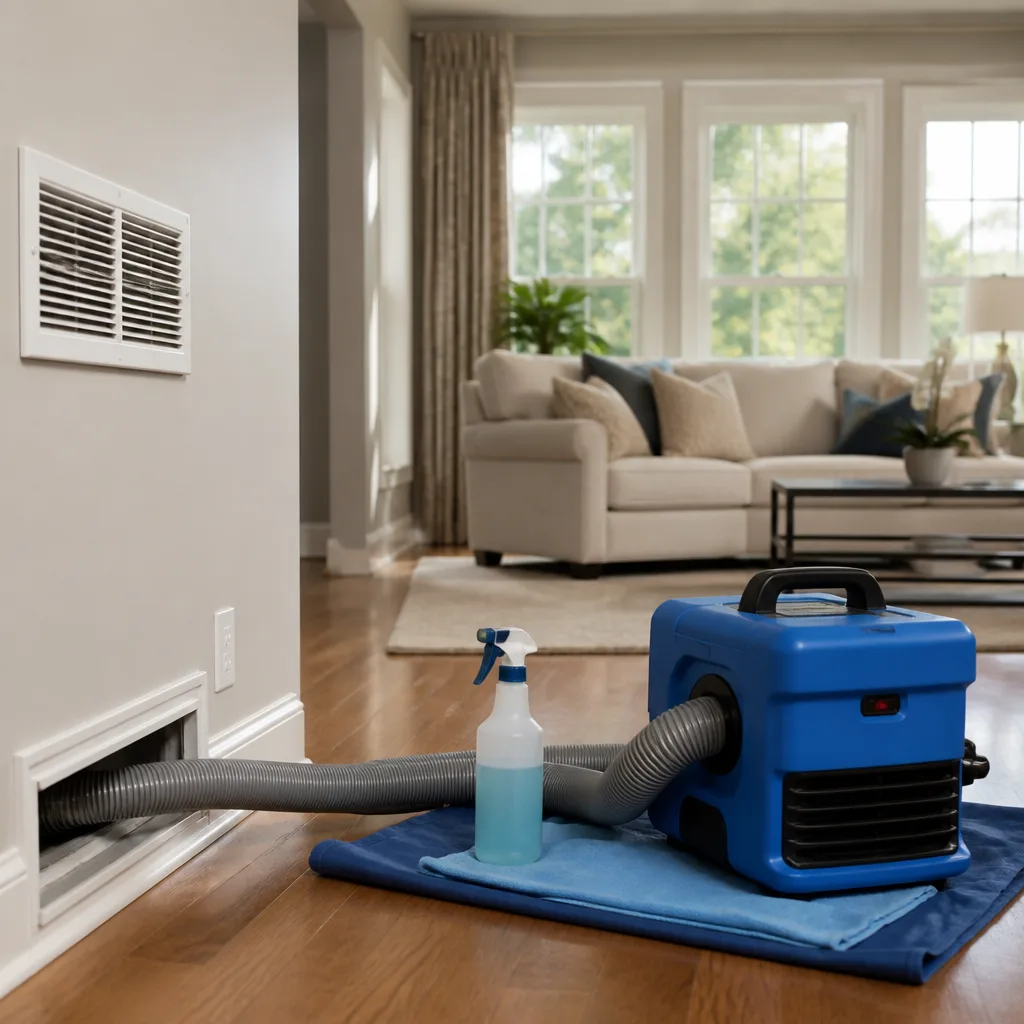 Sanitizing & deodorizing
Whole-system duct and dryer vent check with before-and-after photos - you see exactly what came out of your vents
That "$99 whole-house special" is a bait ad - the real number appears once they are in your hallway, or the "clean" is a shop-vac at the register. We photograph the inside of your ducts before and after instead.
Seasonal Air Duct Cleaning Care for Dallas: Year-Round Homeowner’s Guide
Dallas doesn’t actually have four seasons. We have two allergy sieges, one prolonged heat assault, and a brief autumn window that most homeowners completely waste. If you’re scheduling duct cleaning the way someone in Ohio or Minnesota would, you’re likely paying for service at the least effective time and missing the inspection that would have caught a problem before your July electric bill hit $400. This guide walks through what actually happens inside your ducts during each stretch of the Dallas year, when cleaning matters most, when an inspection beats a full cleaning, and how to build a schedule you can stick to for the life of your home.
Styles & brands we work with
Quick Answer
The highest-value window for air duct cleaning in Dallas is late October through mid-November, after summer heat stress and before cedar fever season begins. Schedule our Air Duct Cleaning services every 3 to 5 years for most homes, with a simple visual inspection each spring after pollen peaks. Summer is the wrong time to schedule preventive cleaning; it’s the right time to monitor for heat-related duct damage.
Table of Contents
- The Real Dallas Air Quality Calendar
- Why Late October Through Mid-November Is Your Best Cleaning Window
- Cedar Fever and Your Flex Ducts: What Winter Actually Does
- Summer Attic Heat: How 140°F Attacks Flex Ducts
- Spring in Dallas: The Case for Inspection, Not a Full Cleaning
- Building a Two-Year Rotating Schedule That Actually Works
- What a Proper Dallas Duct Cleaning Should Include
- Common Mistakes to Avoid
- When to Call a Professional
- Frequently Asked Questions
- The Bottom Line
The Real Dallas Air Quality Calendar
Forget what the national home maintenance websites tell you. They talk about fall leaves and spring flowers as if every market gets the same gentle seasonal shift. Dallas runs on its own clock, and it’s driven by three overlapping forces: mountain cedar blowing in from the Hill Country starting in December, a spring pollen season that coats every exterior surface in a yellow film by mid-April, and a summer heat dome that turns your attic into a kiln for roughly 90 consecutive days.
The air inside your ducts isn’t sealed off from any of this. Your return ducts pull in whatever is floating through your living space. Your supply ducts push conditioned air back through run after run of flexible tubing, some of which snakes through attic spaces that regularly exceed 130°F in July and August. Whatever is in that system, organic or otherwise, spends a full Dallas summer baking inside what is essentially a low-temperature oven.
Here’s the seasonal rhythm we’ve observed across thousands of Dallas homes since 2004:
- December through February: Cedar pollen peaks, windows stay closed, indoor humidity rises from showering, cooking, and breathing in tight houses. Dust mites and mold spores thrive in the warmth of the ductwork.
- March through May: Oak, elm, ash, and grass pollen hammer the city. Your HVAC pulls a steady stream of it through the filter, but plenty bypasses the filter and settles in the duct lining.
- June through September: Extreme attic heat stresses flex duct connections, can degrade adhesive tape, and cooks whatever organic debris has accumulated into something that smells like warm dust every time the blower kicks on.
- October through mid-November: The first real cool front. The AC finally slows down. And this is the window where a cleaning actually makes sense.
Nothing about this calendar lines up with generic seasonal advice. Dallas homeowners need a schedule built around cedar counts, summer attic temperatures, and humidity recovery periods, not around cute graphics of falling leaves. Linden Air Duct Dallas home guides are built for this reality.
Why Late October Through Mid-November Is Your Best Cleaning Window
Here’s the counterintuitive part most homeowners never hear: the ideal time to clean your ducts is not when they’re dirtiest. It’s when the conditions line up to make cleaning most effective and most affordable relative to the next stress cycle.
In Dallas, that window is roughly October 20 through November 20. Here’s why.
By late October, the HVAC system has just spent four months running constantly. The blower motor, the evaporator coil, and every foot of flex duct have been through peak stress. Whatever loose debris was going to accumulate during the cooling season has accumulated. More importantly, the system is about to shift into heating mode, which changes airflow patterns, temperature profiles, and the behavior of any moisture inside the ducts.
Cleaning in this window does three things at once:
- Removes summer accumulation before it becomes winter air: Four months of constant circulation leaves a layer of fine dust, skin cells, pet dander, and whatever the filter missed sitting in the duct lining. Once the heat kicks on, that air gets warmer and drier, which makes fine particulates more likely to become airborne rather than staying settled.
- Gets ahead of cedar season: Cedar fever begins cranking up in December. By that point, windows are closed, the heater is running, and indoor air quality tanks. Cleaning before this means your ducts start the worst respiratory season of the Dallas year with as little accumulated allergen load as possible.
- Happens while the system is in a low-stress mode: In October, a Dallas HVAC isn’t running full blast. The technician has more stable conditions for a thorough job, and any dust kicked loose during the cleaning is less likely to get redistributed at high velocity through a system under maximum load.
One more thing we’ve noticed in Dallas specifically: October is humid enough after summer that settled dust is slightly heavier and easier to extract than during bone-dry January, but dry enough that the ducts don’t stay damp after cleaning. It’s the Goldilocks period for negative-pressure extraction to work as intended.
If you can only remember one date range from this entire guide, make it this one.
Cedar Fever and Your Flex Ducts: What Winter Actually Does
Mountain cedar pollen, blowing in from the Hill Country starting in December, is the single most aggressive airborne allergen in Dallas. Cedar pollen grains are small enough to pass through many standard HVAC filters, and they’re prolific enough that a single cold front can carry tens of thousands of grains per cubic meter through the Metroplex.
But here’s what happens inside the ducts, and this is the part nobody writes about.
Flex duct interiors are not smooth metal. They’re flexible plastic over a wire coil, and the interior surface has microscopic ridges and folds. Cedar pollen grains, which are roughly 20-30 microns across, get caught in those folds. Once there, they don’t just sit inert. The interior of a running HVAC system in winter is warm and slightly humid, particularly in Dallas where outdoor temperatures rarely stay below freezing for long and indoor humidity runs higher because windows stay closed.
That combination, warm, humid, with organic particulate matter, is exactly what dust mites need to reproduce. Dust mites don’t drink water; they absorb moisture from the air. In a Dallas winter with indoor humidity spiking into the 50-60% range during rainy weeks, duct interiors become dust mite breeding grounds. The mites feed on organic debris, including pollen and skin flakes, and their waste products are themselves major respiratory irritants.
So the real winter problem isn’t just cedar pollen. It’s that cedar pollen creates a food source and a microclimate for dust mites inside your ducts. When the heater runs, it aerosolizes a mix of pollen grains, dust mite waste, and fine dust particles. That’s the air you breathe all January.
This is why Air Duct Cleaning in Dallas timed for late October has outsized value. You’re removing the organic material that would otherwise feed a winter-long dust mite population before it can establish itself.
Summer Attic Heat: How 140°F Attacks Flex Ducts
Dallas attics are brutal. We’ve measured attic temperatures in July and August well above 130°F, with peak readings over 140°F in older homes without radiant barriers or adequate ventilation. That’s hot enough to soften some adhesives, accelerate the embrittlement of older flex ducting, and test every taped joint in the system.
Flex duct, the kind used in the vast majority of Dallas homes, is basically a reinforced plastic tube with fiberglass insulation. It has a lifespan, and Dallas heat shortens it. The materials begin to degrade, connections loosen, and in worst cases, the outer jacket splits open, exposing the inner liner.
Here’s what to watch for before and after peak heat season:
- Before summer (May): Walk your attic and visually inspect any visible duct runs. Look for sagging sections, loose straps hanging from rafters, condensation staining, or visible gaps at the boot connections where the flex duct meets the ceiling register. If anything looks loose, have it repaired before the heat hits.
- During peak heat (July-August): Pay attention to rooms that are suddenly warmer than others. A disconnected or torn flex duct in the attic dumps conditioned air into the attic, not the room. This is often misdiagnosed as a failing AC when it’s actually a simple duct separation.
- After summer (September-October): Check again. Summer heat stress can cause failures that only show up after months of expansion and contraction. This is the exact reason our October-November cleaning window matters, because a thorough Air Duct Repair in Dallas inspection catches thermal damage before winter heating begins.
One specific Dallas phenomenon: the first fall cool front often reveals duct problems that went unnoticed all summer. When the AC runs constantly, a small leak doesn’t make a huge temperature difference because the system is almost never off. When the weather cools and the system cycles back on after being off, that’s when you notice the warm bedroom or the musty smell.
If you’ve got a room that never quite cools in August but suddenly feels fine in October, get the ducts inspected. It’s not the weather. It’s the system masking its own inefficiency.
Spring in Dallas: The Case for Inspection, Not a Full Cleaning
March through May in Dallas is pollen hell. Oak pollen, elm pollen, ash pollen, grass pollen, they all peak in overlapping waves. Every horizontal surface outside gets coated in yellow-green film, and a lot of that gets tracked inside on shoes, pets, and open windows.
So shouldn’t spring be a cleaning season too?
No, for most homes. Here’s why.
A full professional duct cleaning is a significant job. We’re talking about running negative-pressure extraction equipment through every supply run, agitating the interior surfaces with rotating brushes, and cleaning the return side, the plenum, and the blower compartment. That’s an investment. Doing it twice a year, once in fall and again in spring, is overkill for the typical Dallas home without unusual circumstances like fresh construction dust, a recent renovation, a major water leak, or severe pet dander buildup.
What spring actually demands is a targeted inspection:
- Check the return grille and filter: After peak pollen season, see how much the filter is catching by looking at what’s accumulated. A filter that’s loaded with visible pollen in under 4 weeks means the system is pulling in a lot of outdoor air.
- Look at visible duct runs: Any accessible flex duct in the attic or basement can be visually checked for tears, disconnections, or rodent damage. Spring is when rodents are most active.
- Note any new musty smells: Early spring humidity in Dallas plus trapped pollen can create localized damp spots in poorly insulated ducts. Mustiness when the AC first starts up is a red flag.
- Evaluate whether a cleaning is warranted: If the inspection reveals significant buildup, visible mold-like staining, or evidence of pest intrusion, then yes, schedule a cleaning. If everything looks reasonably clean and airflow is strong, skip it and save the money for the fall window when it matters more.
Paying for a full spring cleaning every year when a visual inspection would suffice is how homeowners overspend on duct maintenance. We’d rather be honest about that than sell you a service you don’t need yet.
Building a Two-Year Rotating Schedule That Actually Works
Here’s the schedule we recommend to Dallas homeowners. It’s not complicated, and it syncs with what you’re already doing for filter changes and HVAC tune-ups. The key insight: you’re not doing everything every year. You’re alternating deep work with light work.
Year One: The Full Clean
- Late October: Schedule a full professional air duct cleaning. This covers all supply runs, the return side, the plenum, and the blower compartment.
- Same visit: Have the technician inspect all flex duct connections and note any repairs needed. If repairs are needed, get them done during the same visit or schedule a follow-up.
- Immediately after: Replace your HVAC filter with a fresh one. You want a clean filter on a clean system.
- Spring: Visual inspection only, as described above.
- Summer: Monitor room temperatures and airflow. Note any changes.
Year Two: The Light Year
- Late October: If nothing has changed since the previous year, skip the full cleaning. Instead, do a thorough visual inspection of visible duct runs, replace the filter, and schedule your regular HVAC tune-up.
- Spring: Standard inspection. This is your year to watch for signs of rodent activity, because the skip year is when problems can sneak in.
- Summer: Same monitoring as always.
- Late October (repeating): Determine if you’re due for another full clean based on what you saw during the year. Most homes can go 3-5 years between cleanings. Adjust based on pets, occupancy, renovation activity, and your own family’s respiratory sensitivity.
The point of the rotation isn’t to hit an arbitrary two-year clock. It’s to establish a rhythm where you’re always watching, always noting changes, and never surprised by a problem that could have been caught months earlier.
What a Proper Dallas Duct Cleaning Should Include
Not all duct cleanings are equal, and the Dallas market has plenty of operators who will run a vacuum hose through one register, charge you a coupon price, and call it done. Here’s what a legitimate professional duct cleaning actually involves.
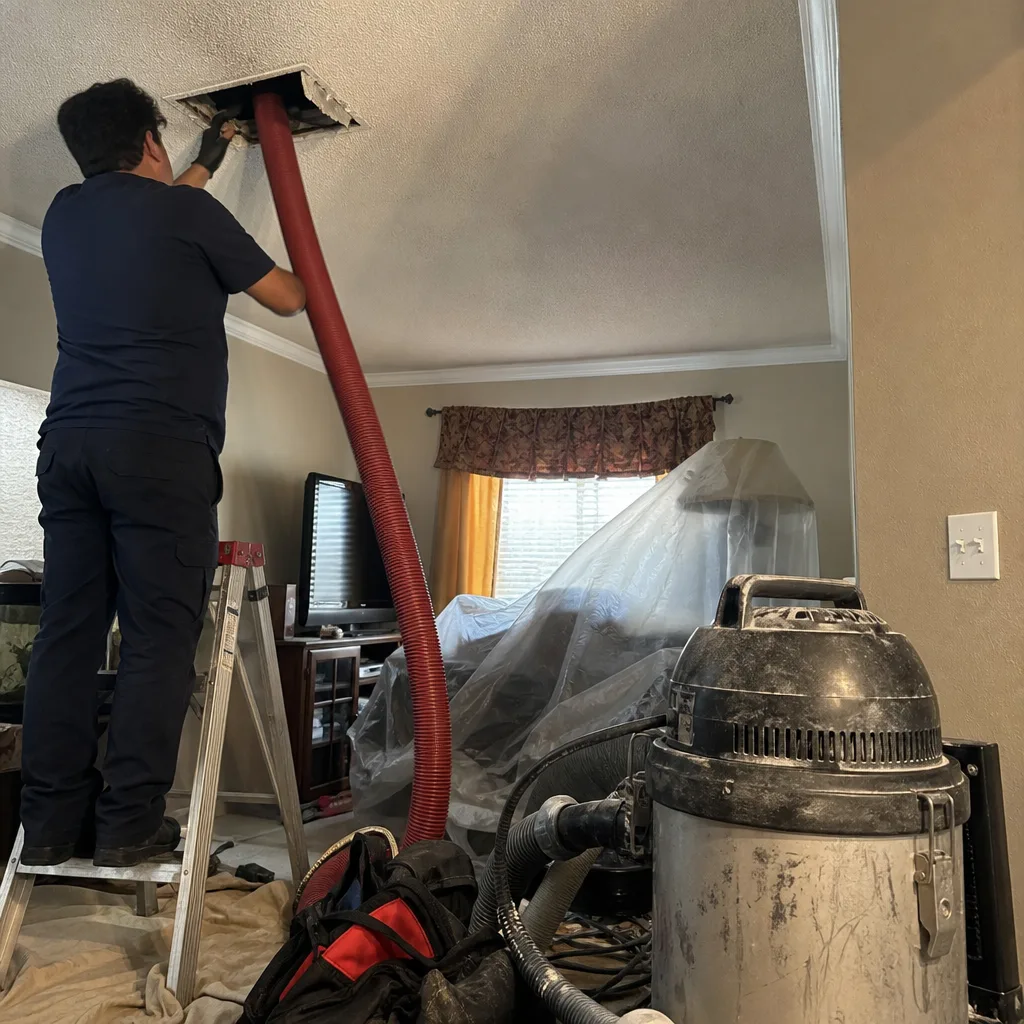
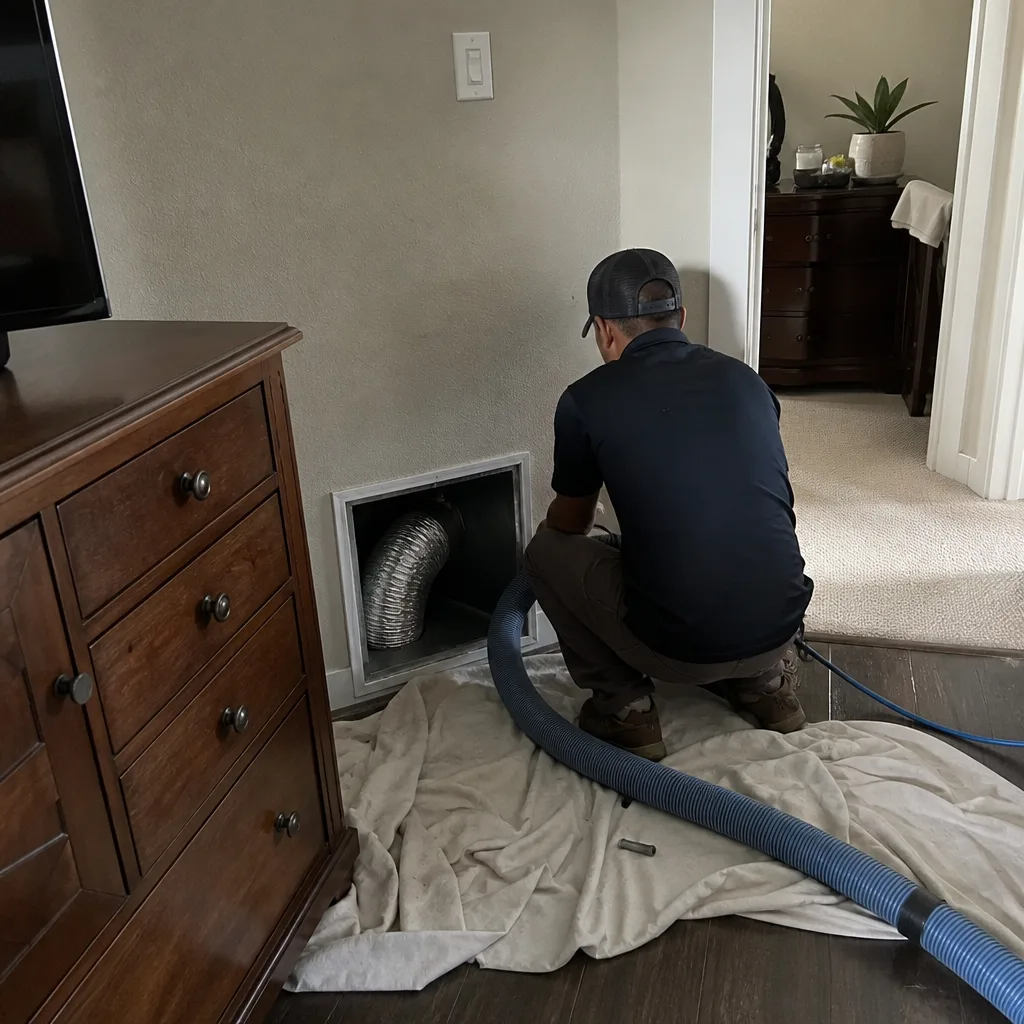
A proper job uses negative-pressure extraction. That means a powerful vacuum system is connected to the main trunk line, creating suction that pulls air backward through the entire duct system. The technician then works through each supply register with agitation tools, typically rotating brushes or compressed air whips, to dislodge debris from the duct walls so it flows toward the vacuum.
We run professional-grade equipment from trade-trusted brands including Nikro, whose systems are built for exactly this kind of negative-pressure work. The equipment matters because a weak vacuum can’t create the airflow velocity needed to pull debris out of long flex runs that snake through a Dallas attic.
A complete cleaning should also address:
- The return side: This is where the dirtiest air in your home gets pulled in. It needs the same treatment as the supplies.
- The plenum: The box where the supply trunk meets the air handler. This is a common collection point for dust, and it’s frequently overlooked by shortcuts.
- The blower compartment: If the blower wheel is coated in dust, it’s less efficient and puts extra strain on the motor. A clean blower moves more air with less energy.
- The registers and grilles: These are the easiest visual win, but they’re also a real source of recontamination if skipped.
For homeowners concerned about indoor air quality beyond just dust, we also work with air-quality products from Honeywell and Aprilaire, including whole-home filtration and humidity management solutions that integrate with existing systems. Abatement Technologies makes surface treatment products we’ve used for specific contamination scenarios. The right combination depends on your home and your family’s sensitivities, and it’s something we discuss honestly when quoting.
Common Mistakes to Avoid
- Cleaning in the spring out of habit: Generations of national home magazines say spring cleaning means cleaning everything, including ducts. In Dallas, spring is the worst time for a full cleaning because you’re doing it right before pollen season, and whatever you clean will be coated again within six weeks. Late October is the leverage point.
- Assuming summer AC problems are always the AC unit: When a room stops cooling in July, the instinct is to call the HVAC company. But a disconnected flex duct in a 140°F attic dumps conditioned air into the attic, not the room, and no amount of refrigerant will fix that. Check the ducts before replacing the condenser.
- Skipping the fall inspection because the system seems fine: The best time to catch a problem is when nothing is obviously wrong. By the time you notice warm rooms in August or a sudden dust spike in January, the problem has already been building for months.
- Trusting a coupon price over a written scope of work: A low teaser price for duct cleaning in Dallas usually means you’re getting a register-level vacuuming, not a full-system negative-pressure cleaning. Ask exactly what’s included, in writing, before anyone walks in your door.
- Forgetting that filters and ducts are different systems: Replacing your filter monthly is important, but it doesn’t clean the duct interiors. The filter catches particles before they enter the system; whatever is already inside the ducts stays until removed.
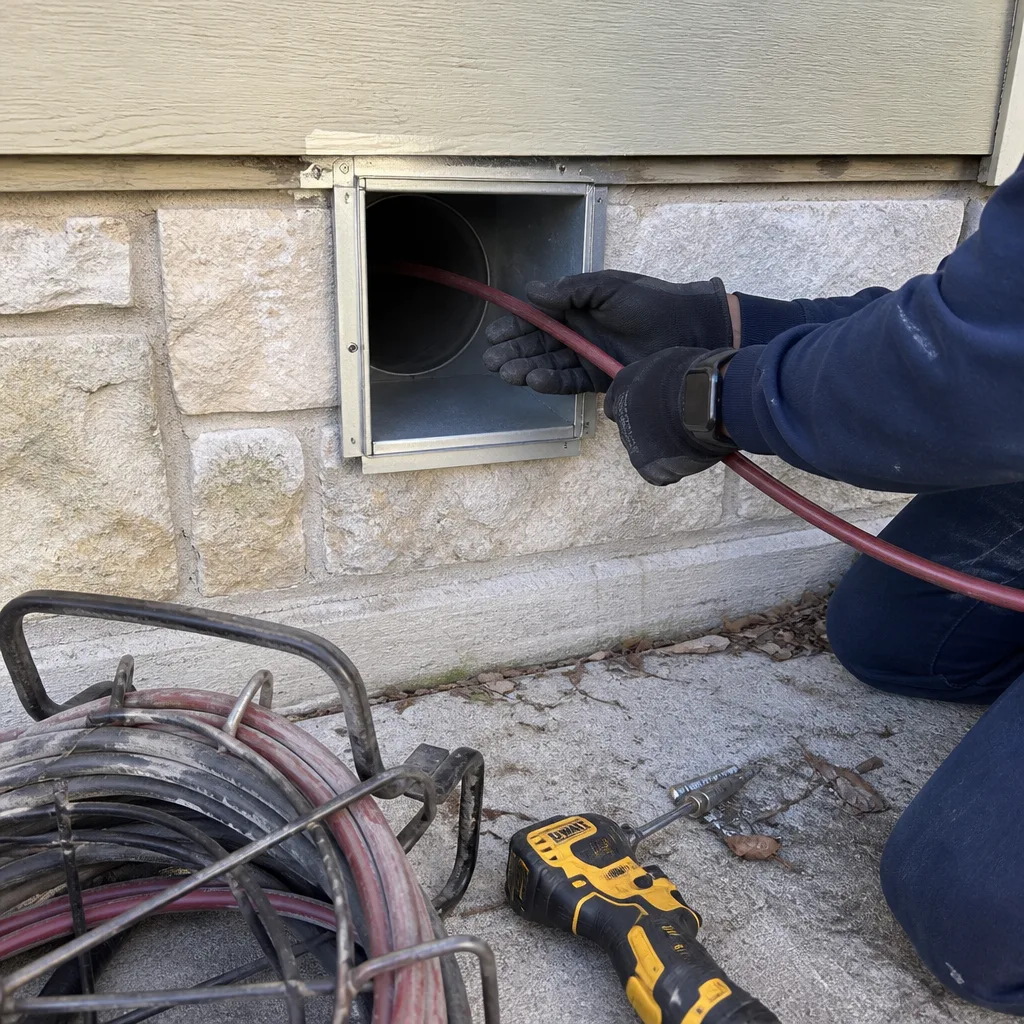
- Ignoring the dryer vent because it’s not part of the HVAC system: Dallas homes trap dryer lint in long vent runs, and lint is a fire hazard as well as an airflow problem. Dryer Vent Cleaning in Dallas deserves its own place on your seasonal calendar, ideally timed with your fall duct cleaning.
- Treating all years the same: Even the cleanest home accumulates duct debris at a variable rate depending on occupancy, pets, renovation work, and pollen levels. A rigid “every 3 years no matter what” rule ignores what your eyes and nose are telling you.
When to Call a Professional
You know your home better than anyone. If any of these scenarios sound familiar, it’s time to stop guessing and get a professional assessment: visible dust or debris blowing from registers when the system starts, a persistent musty or burning smell from the vents, rooms that never match the thermostat temperature, unexplained increases in your energy bill during moderate weather, visible mold-like staining on registers or surrounding drywall, or a home renovation that left drywall dust coating every surface. These are signals, not quirks. Linden Air Duct Dallas offers free estimates in Dallas, and we’ll tell you honestly whether a cleaning is warranted. Call (361) 309-3153 to schedule yours.
Frequently Asked Questions
For a typical single-family Dallas home with one HVAC system, a full professional air duct cleaning runs between $450 and $850 depending on the number of supply runs, the system configuration, and the extent of buildup. For a detailed look at what drives these numbers, see our Air Duct Cleaning Cost Breakdown: The Dallas Homeowner’s Reference for 2026. Homes with multiple systems or unusually long duct runs can exceed $1,000. Anyone quoting under $300 for a “full” cleaning in Dallas is almost certainly not cleaning the full system. Linden Air Duct Dallas puts your exact price in writing before we start, so call (361) 309-3153 for a specific quote on your home.
Cheap quotes usually mean a reduced scope of work. A technician who runs a vacuum over each register for 30 seconds has done something, but it’s not the same as connecting a negative-pressure extraction system to the trunk line and agitating every run. Some Dallas companies quote a low “per vent” price then add charges for the return, the plenum, or the blower compartment. Others quote a flat teaser price and then inflate it once they see the system. We quote one flat price per system, written down before we begin, and we don’t add surprise line items.
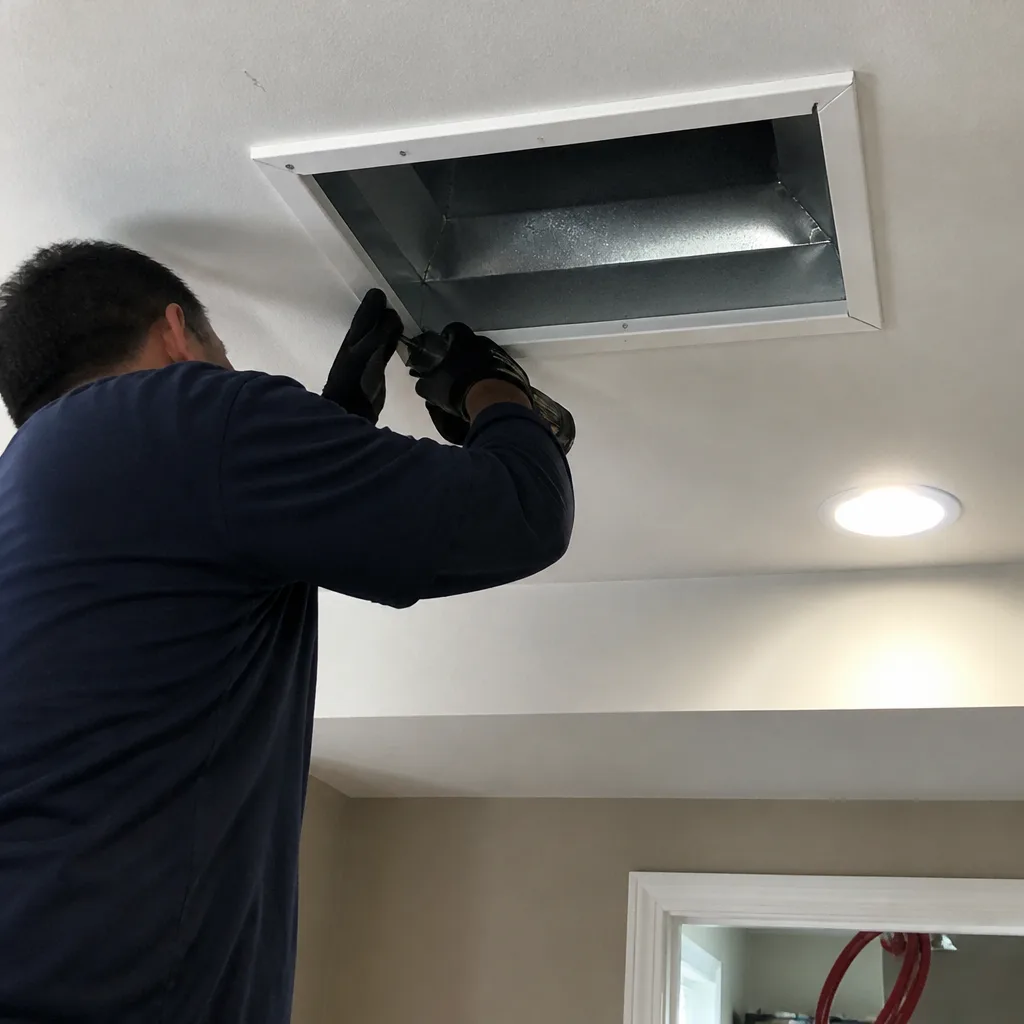
A legitimate Dallas duct cleaner should offer some form of verification. We show before-and-after photos of key points inside the system, including the return plenum and representative supply runs. You should also notice a visible difference at the registers and a change in the air quality during the first few heat or cooling cycles after cleaning. If your technician won’t show you what was done or can’t provide evidence, that’s an answer in itself.
For most Dallas homes, a full professional cleaning every 3 to 5 years is appropriate, synced with the late-October window described above. Use our Air Duct Cleaning Maintenance Checklist for Dallas Homeowners to stay on track. Homes with multiple pets, residents with significant allergies or asthma, new construction dust, or a history of water intrusion may need more frequent attention. If anyone in the home has environmental sensitivities, err on the shorter side and pay attention to symptom flare-ups as a signal that cleaning is overdue.
It can, but it’s not a cure. Cedar pollen enters your home through doors, windows, and the ventilation system’s makeup air. If your ducts are dirty, the system recirculates accumulated pollen and dust mite waste through the house all winter, which compounds the problem. Cleaning the ducts removes the reservoir, but you’ll still need good filtration, closed windows during high pollen counts, and possibly a whole-home air quality product like those from Aprilaire or Honeywell to meaningfully reduce symptom triggers.
Duct cleaning alone rarely produces a dramatic bill reduction unless the buildup is severe enough to restrict airflow. The bigger energy impact in Dallas comes from duct repair. A disconnected flex duct in a heated attic leaks conditioned air into the wrong space, and it can account for 20-30% of your cooling load without you knowing it. That’s why we pair every cleaning with an inspection, because the repair is often where the real savings live.
The Bottom Line
Dallas homeowners need a duct maintenance calendar built for Dallas conditions, not generic seasonal advice. Clean in late October through mid-November. Inspect in the spring. Monitor during summer heat stress. Build a rotation that alternates full cleanings with careful observation years, and don’t pay for work you can’t verify with your own eyes. The goal isn’t cleaning for cleaning’s sake. It’s cleaner air during cedar season, an intact duct system before every Dallas summer, and lower bills that come from catching problems while they’re still cheap to fix. For more guides & resources on keeping your system running right, explore our blog. We’ve been helping Dallas homeowners with exactly this since 2004, and we’ll be here when you’re ready.
Call (361) 309-3153 for a free estimate, and we’ll tell you honestly what your system needs and what it doesn’t.
Written by Marcus Veale, Owner at Linden Air Duct Dallas, serving Dallas since 2004.
See the difference
 Before
 After
After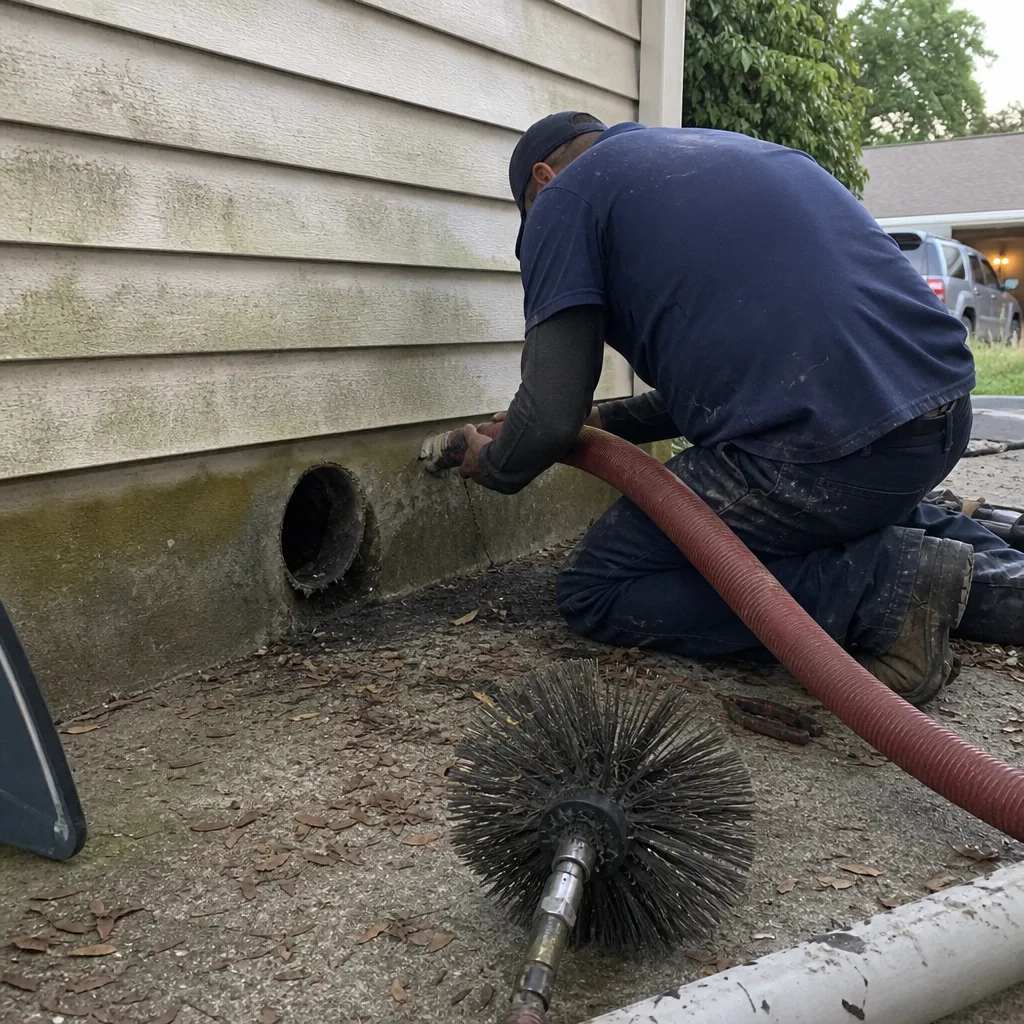 Before
 After
After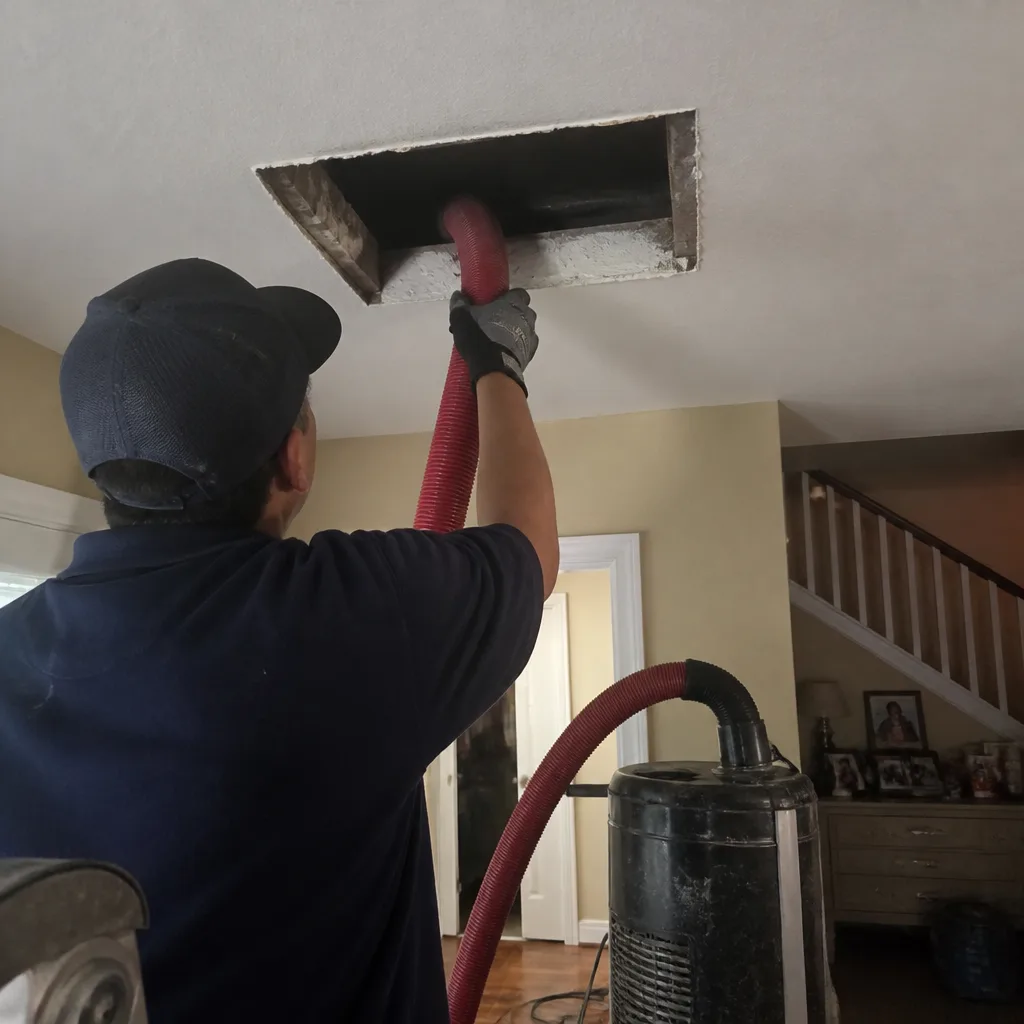 Before
 After
After