
Last updated October 15, 2026
 Whole-home duct cleaning
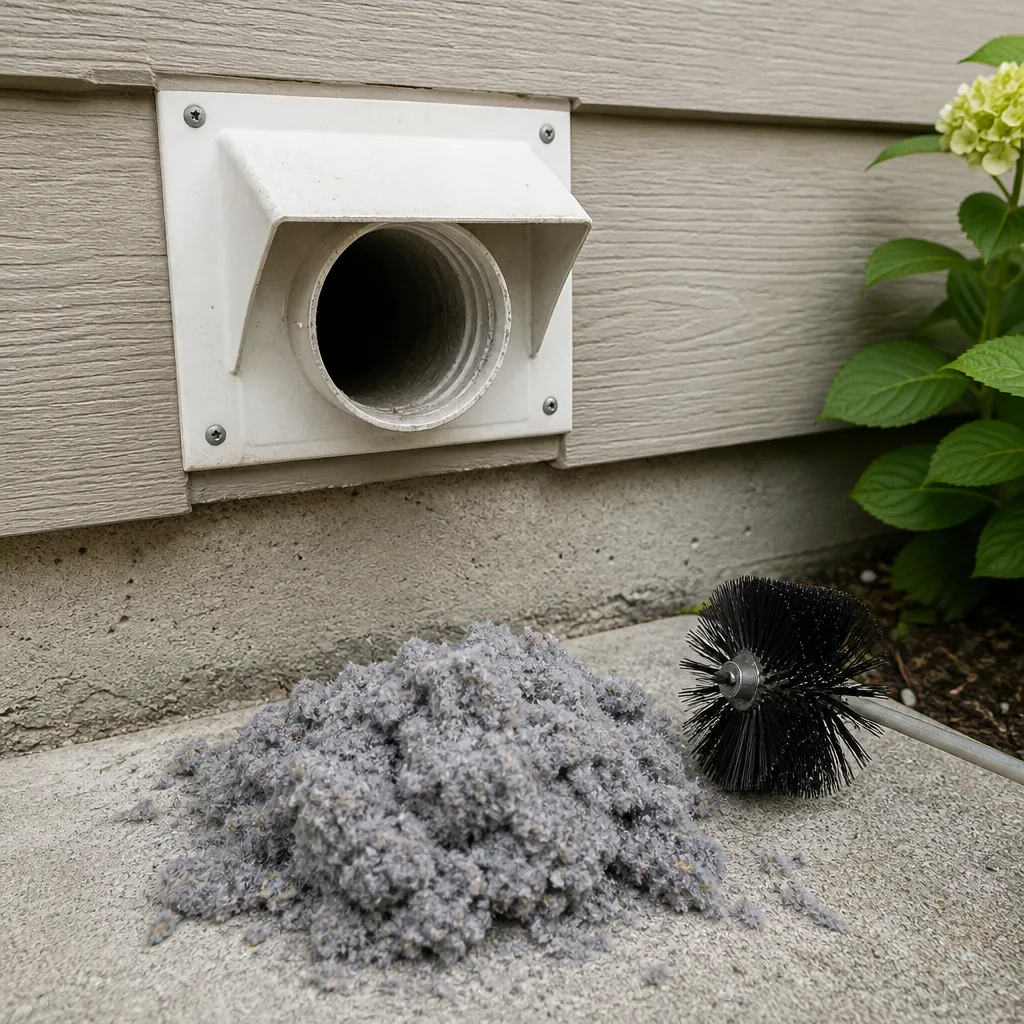 Dryer vent cleaning
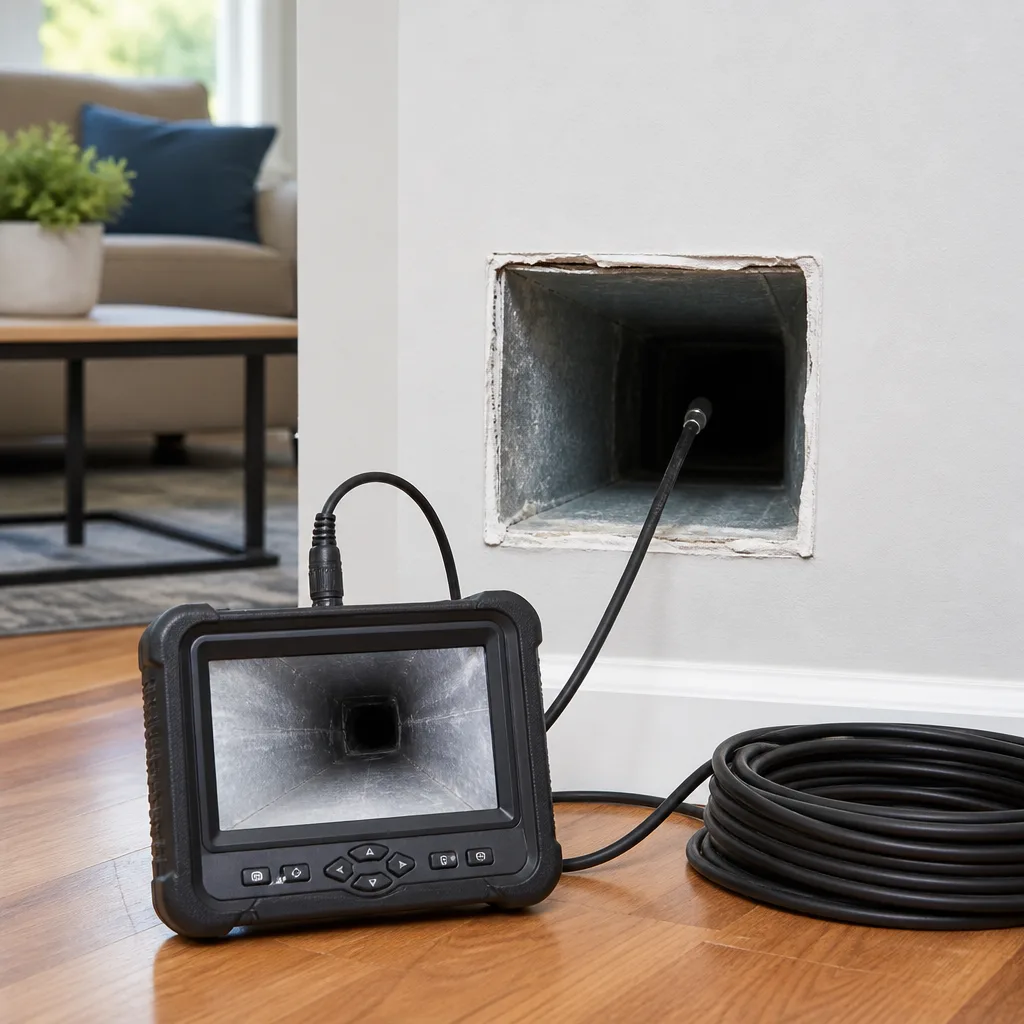 Camera inspection
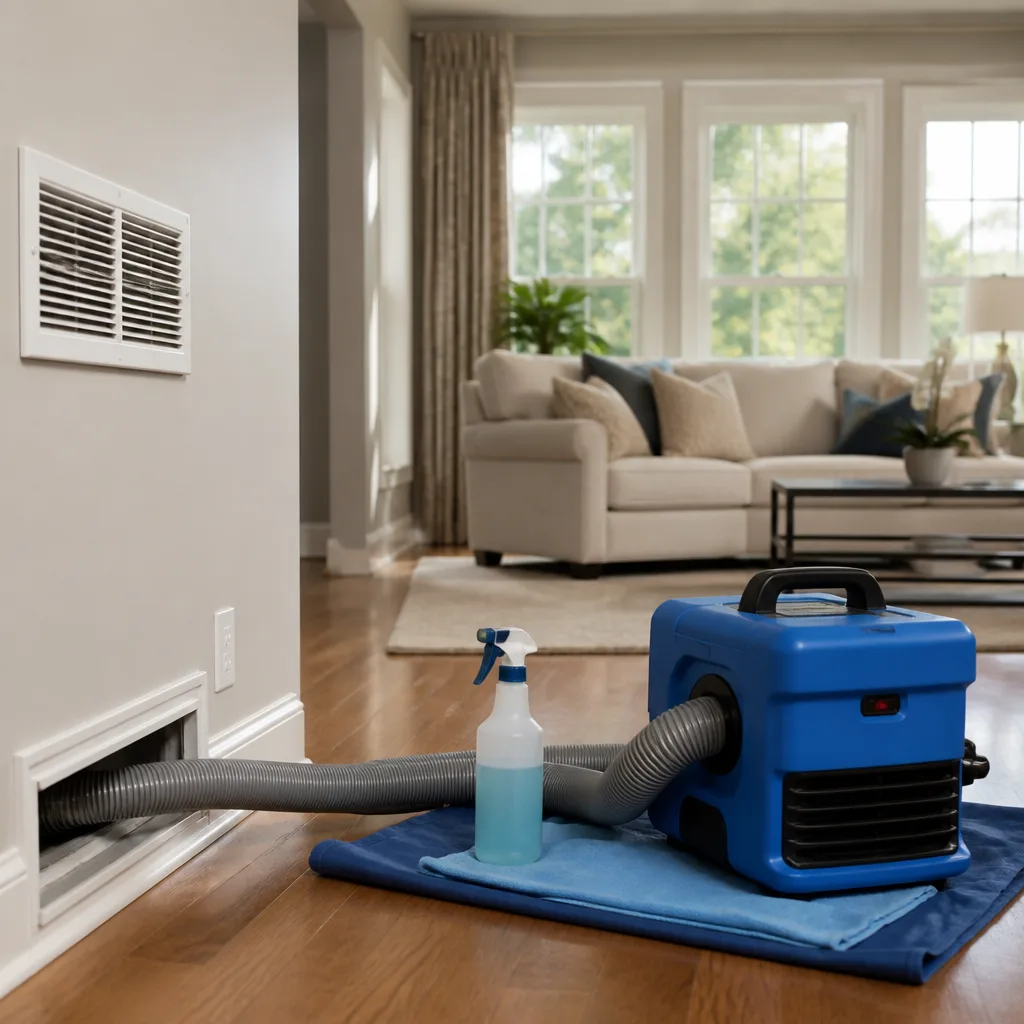 Sanitizing & deodorizing
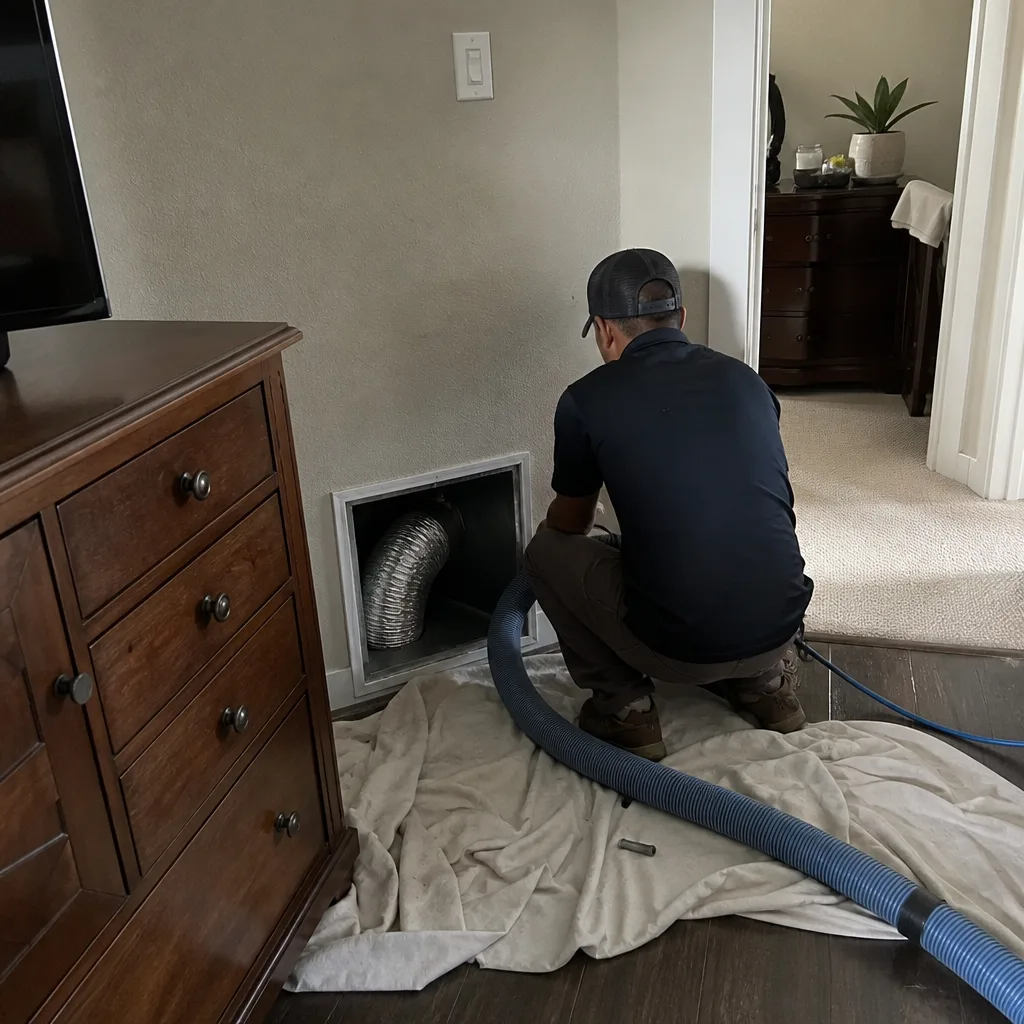
Whole-system duct and dryer vent check with before-and-after photos - you see exactly what came out of your vents
That "$99 whole-house special" is a bait ad - the real number appears once they are in your hallway, or the "clean" is a shop-vac at the register. We photograph the inside of your ducts before and after instead.
Air Duct Cleaning Maintenance Checklist for Dallas Homeowners
A one-size duct maintenance checklist built for Denver or Chicago will have you cleaning too rarely in summer and skipping the one post-storm inspection that matters most in North Texas. Dallas has its own rhythm: cedar fever from December through February, a spring pollen season that coats everything in a fine yellow film, July and August attic temperatures that can hit 150 degrees, and the fall switchover when your AC finally rests and the furnace wakes up. This guide is a month-by-month, condition-by-condition checklist calibrated specifically for Dallas homes, including what you can inspect yourself, when to change filters, and when a professional should take over.
Styles & brands we work with
Quick Answer
Dallas homeowners should visually inspect supply and return registers every 30 days, change 1-inch filters every 60 to 90 days (more often with pets or during cedar fever season), schedule professional air duct cleaning every 3 to 5 years, and add a post-storm inspection to the checklist after any severe North Texas wind or hail event. A checklist is not just a cleaning schedule. It is a condition baseline that tells you when ducts need service versus when they simply need another month of normal use.
Table of Contents
- Why Dallas Needs Its Own Duct Maintenance Checklist
- The Month-by-Month Dallas Duct Maintenance Checklist
- How to Visually Inspect Supply and Return Registers Yourself
- Filter Intervals Calibrated to Dallas Homes
- How to Document Your Duct System’s Condition Over Time
- When Checklist Items Stop Being DIY Tasks
- Common Mistakes to Avoid
- When to Call a Professional
- Frequently Asked Questions
- The Bottom Line
Why Dallas Needs Its Own Duct Maintenance Checklist
Dallas sits in a climate band that creates unusually heavy duct loads for three distinct reasons. First, we get cedar pollen from mountain juniper trees as early as late November, and it peaks hard in January when most of the country is thinking about snow, not airborne allergens. Second, our spring oak and grass pollen seasons overlap, stretching from late February through early May, which means months of continuous particulate loading on filters and inside ductwork. Third, our attics are brutal. In July and August, attic temperatures in Dallas routinely exceed 140 degrees, and that heat stress directly affects flex duct, which is common in slab-foundation homes across the metroplex.
What this means in practice is that a generic national checklist, the kind that says “change your filter every 90 days and schedule duct cleaning every 5 to 7 years,” under-serves Dallas homes in two directions. It under-schedules filter changes during cedar fever and spring pollen peaks, and it over-schedules professional cleanings for households that simply need a better filter media and a tighter inspection routine. The right checklist for Dallas is condition-based, not calendar-based.
The Three Variables That Change Your Checklist
- Duct material: Sheet metal ducts hold less dust but develop the kind of leaks that pull attic air into the conditioned space. Flex duct accumulates dust faster, sags with age, and is far more vulnerable to Dallas attic heat. If you have flex duct, your inspection frequency should double.
- System age: Systems older than 12 years tend to have looser blower tolerances, dirtier coils, and more internal turbulence, all of which accelerate dust deposition inside ducts.
- Household conditions: Pets, slab foundations with older returns routed through wall cavities, and homes with smokers or candle-heavy habits all load ducts faster. A one-dog household in Richardson is not the same as a three-cat household in Plano when it comes to duct loading.
We have worked on air duct cleaning in Dallas since 2004, and the single most common pattern we see is a homeowner who waited too long during allergy season, then overreacted and paid for a cleaning that was not yet necessary. A calibrated checklist prevents both errors.
The Month-by-Month Dallas Duct Maintenance Checklist
This is the working checklist we recommend to homeowners across Dallas, grouped by season rather than by arbitrary month names. Each item is tied to a specific North Texas condition, so you know why it matters and when to skip it.
December Through February: Cedar Fever Season
- Upgrade filter media temporarily: Swap to a MERV 11 or MERV 13 filter during cedar season if your system can handle the added resistance. A MERV 8 filter will not catch cedar pollen, which is small enough to pass through and recirculate. We recommend Honeywell and Aprilaire filter products for this seasonal switch. But check your system’s maximum recommended MERV rating first; forcing a high-resistance filter into a system designed for MERV 8 can strain the blower.
- Run the fan in “on” mode during cedar peaks: Running the blower continuously during peak cedar days filters more air but also loads the filter 2 to 3 times faster. Inspect the filter every 30 days during this window, not 60.
- Check supply register faces: Cedar pollen is sticky yellow or pale green. If you see it clinging to register louvers, that is what your filter is not catching. Note it in your documentation log.
- Inspect return grilles for piling: Return grilles pull air in and often show “felting,” a gray or yellow felt-like buildup along the leading edges of the louvers. Light felting is normal. Thick felting that blocks airflow is a warning sign.
March Through May: Spring Pollen Peak
- Walk the perimeter of the return side: During oak season, pull the return grille off (two screws or spring clips on most Dallas homes) and run a damp white paper towel along the inside of the return boot. A tan-green film means the duct is actively pulling attic or wall-cavity air, not just return air from the room. This is a leak indicator, not a cleaning indicator.
- Check supply register “dust shadow”: Look at the wall or ceiling around each supply register for a faint gray shadow pattern. A light dust shadow is normal after a season of heavy pollen. A dark, crusted shadow means the duct is blowing dust-laden air forcefully enough to deposit residue on surfaces, which points to internal duct contamination.
- Change the filter at 60 days regardless of appearance: Pollen loading is cumulative and often invisible until saturation. Calendar-based replacement beats visual inspection during this stretch.
- Schedule professional cleaning if the filter is loading visibly within 30 days: This is the single most reliable at-home test for whether ducts are internally dirty.
June Through August: Attic Heat Stress
- Inspect flex duct connections for “sweating”: Flex duct in a 140-degree attic with cold air moving through it will condensate if the outer vapor barrier is torn or the inner liner has degraded. Look for wet insulation wrap or water stains on the duct exterior. This is a repair issue, not a cleaning issue, and it affects energy cost and mold risk more than dust load.
- Feel the supply register flow with the system running: Place a tissue or single sheet of paper near each supply register. The flutter strength should be consistent across rooms. A weak register, especially in an upstairs room or a far corner, often means a collapsed flex duct section, which is common in Dallas attics after years of heat cycling.
- Check the main trunk line for crushing or sagging: Board boxes and flex trunks both sag over time, but Dallas heat accelerates the process. If a trunk line has a visible dip, it is collecting dust in that low point and restricting airflow. Document it with a photo.
- Use a hygrometer at one supply register: Summer supply air in a properly functioning Dallas system should be 15 to 20 degrees cooler than return air with roughly equivalent humidity. If the air feels damp, the system may be pulling humid attic air through a leak, which carries dust and mold spores with it.
September Through November: Fall Switchover
- Replace the filter before the first furnace run: Dormant furnace blowers and heat exchangers gather dust all summer. The first ignition burns off the accumulation, and a fresh filter is the first line of defense against that burn-off circulating through the house.
- Inspect the blower cabinet and coil through any available access door: Shine a flashlight into the blower compartment at the air handler. A thick gray coating on the blower wheel blades or coil face tells you dust has been moving through for a while. Light dust on the coil is normal; a fur-like coating is not.
- Run the heat for 20 minutes with windows open the first time: This burns off off-season dust in a controlled way and prevents the “first heat smell” from coating your ducts. If the smell persists beyond two cycles, check the air duct repair in Dallas guide for leak indicators.
- Schedule professional cleaning during shoulder season if conditions warrant: October and November are the least-busy months for duct cleaners in Dallas, and scheduling in the shoulder season means the work is done before the furnace runs hard and before cedar season starts.
How to Visually Inspect Supply and Return Registers Yourself
Between professional cleanings, the register inspection is your most powerful diagnostic tool. It takes about 15 minutes to do the whole house, and it gives you a running picture of what is happening inside the duct system without opening a single access panel. We recommend doing this walkthrough on the first weekend of every month.
The Five-Point Register Inspection
- Face check: Look at the register louver surfaces. Light dust is normal and wipes off with a damp cloth. Thick gray or yellow crust, especially on the return side, means high particulate loading in the airstream.
- Shadow check: Look at the surrounding wall or ceiling. A faint gray shadow around a supply register after spring pollen season passes the normal test. A sharp, streaky shadow with visible particle trails means the duct is dumping dust, not just circulating air.
- Dampness check: Touch the metal register face during AC season. Slight coolness is normal. Visible condensation or water staining around the register tells you cold air is meeting warm, humid room air at the register face, which can happen when the register is too close to the plenum or when the system is overcharged. It can also create a dust-sticking surface.
- Filter check: Pull the filter and hold it up to a light source. If you cannot see any light through the filter media, it has fully loaded. If you can see through less than 30 percent of the surface, change it now, regardless of the calendar.
- Return boot check: Look into the return cavity behind the filter. A dry, clean return boot is what you want. Crusty gray or black residue means dust has been accumulating and baking in the return path, and the return side is often dirtier than the supply side, so this check tells you more than the register face check.
What Is Normal Versus What Is a Warning Sign
- Normal: A thin, evenly distributed gray dust film on register louvers that wipes off easily.
- Normal: Slightly darker dust around the outermost louvers on return grilles, since returns catch the room’s dirtiest air first.
- Warning sign: Chunks or flakes of material on the register face, especially dark specks that look like insect frass or insulation particles.
- Warning sign: Visible mold or mildew staining, which in Dallas is usually condensation-related rather than duct-related, but it still needs a professional look.
- Warning sign: A register that vibrates, whistles, or moves air weakly compared to others in the home. This is not a cleaning issue. It is an airflow issue, and it needs diagnosis.
If your inspection turns up warning signs, do not attempt to reach into the ductwork and clean it yourself. Flex duct liner is fragile, and aggressive DIY cleaning can tear the inner liner, which then recirculates fiberglass particles into your living space. That is a job where a trained professional with negative-pressure extraction equipment is the right call, not a shop vac.
Filter Intervals Calibrated to Dallas Homes
Filter change intervals are not one-size-fits-all, and in Dallas the single biggest variable is whether your filter is fighting cedar pollen in January or oak pollen in April. A 1-inch fiberglass filter in a home with two dogs and an older flex duct system will load in under 30 days during peak season, while a 4-inch media filter in a no-pet, no-smoking home might hold up for 6 months.
Recommended Filter Intervals for Dallas Conditions
- 1-inch fiberglass filters: 30 to 45 days year-round. These are low-efficiency filters meant to protect the blower, not clean the air, and they load fast in Dallas’s particulate-rich outdoor air.
- 1-inch pleated filters (MERV 8-11): 60 to 90 days under normal conditions. During cedar season and spring pollen peaks, check at 30 days and replace if light transmission is under 30 percent.
- 4-inch media filters (MERV 11-13): 6 to 12 months depending on brand and loading. Aprilaire media filters, which are common in Dallas homes, are designed for 6 to 12 monthly replacement under normal residential conditions, but a household with pets and visible pollen loading will be closer to 4 to 6 months.
- Electrostatic or washable filters: Follow the manufacturer’s cleaning schedule, but inspect monthly. These filters lose effectiveness as the static charge degrades with washing, so after a few years they need replacement, not another wash.
Adjustments for Specific Dallas Household Conditions
- Pets: Cut the standard interval by 30 percent. A home with a shedding dog or cat is loading the filter with dander, pet hair, and tracked-in dust at a rate that standard schedules do not account for.
- Slab foundations: Homes built on slabs, especially those with return ducts routed through wall cavities or chases, pull air from less-sealed environments, which increases dust loading. Cut the standard interval by 20 percent.
- Older flex duct systems: Homes with flex duct older than 10 years, common in Dallas suburbs built during the 1990s and 2000s, tend to have higher internal dust levels because the liner degrades over time. Cut the standard interval by 20 percent, and plan for professional air duct cleaning in Dallas on the shorter end of the 3 to 5 year window.
- During cedar fever season: Cut the standard interval in half, even if the filter looks clean. Cedar pollen is small enough to bypass many visible inspection methods and load filters without obvious color change.
How to Document Your Duct System’s Condition Over Time
The most useful habit a Dallas homeowner can develop is keeping a simple duct condition log. This is not for us as a contractor. It is for you, because a documented baseline protects you in two ways: it tells you when conditions are changing in a way that needs attention, and it gives you a factual record if a contractor ever claims you need work that does not match what you have been tracking.
The Duct Condition Log: What to Record
- Date of every filter change: Write the date, filter type, MERV rating, and brand. This creates a loading-rate history that tells you if your system is gradually loading faster, which indicates internal duct contamination is building.
- Photo of the return boot every 90 days: Use your phone camera with flash. A consistent angle means you can compare dust accumulation over time. Note the date in the photo filename or a simple notes app.
- Register inspection notes: Record which registers show dust shadows, which ones are weak, and which ones show condensation. Note the date and season. In January, a weak upstairs register is less concerning than in August, when the same register may indicate a heat-stressed flex duct collapse.
- Professional service records: After every professional cleaning or repair, request a written report or invoice that states what was done, what was found, and what the technician recommends. File it with your log. At Linden Air Duct Dallas home service area, we include written documentation as standard on every job, not as a request.
- Photo of any visible damage: If you see water staining on a register, sagging duct trunk in the attic, or condensation around the air handler, photograph it before calling for service. This gives the technician a baseline and ensures the repair covers what you actually saw.
This documentation habit matters more than most homeowners realize. When a technician tells you a duct section is “heavily contaminated” based on a photo, your own 90-day log may show that the same section was clean three months ago. That discrepancy is useful information, and it is information only you have.
When Checklist Items Stop Being DIY Tasks
There is a clear line between what a Dallas homeowner should inspect and what a professional should handle. You should be comfortable checking filters, looking at register faces, feeling airflow, and documenting conditions. You should not be comfortable opening the blower cabinet and cleaning the blower wheel yourself, cutting into duct trunk lines to look inside, or attempting any repair that involves duct sealing, mastic, or electrical connections.
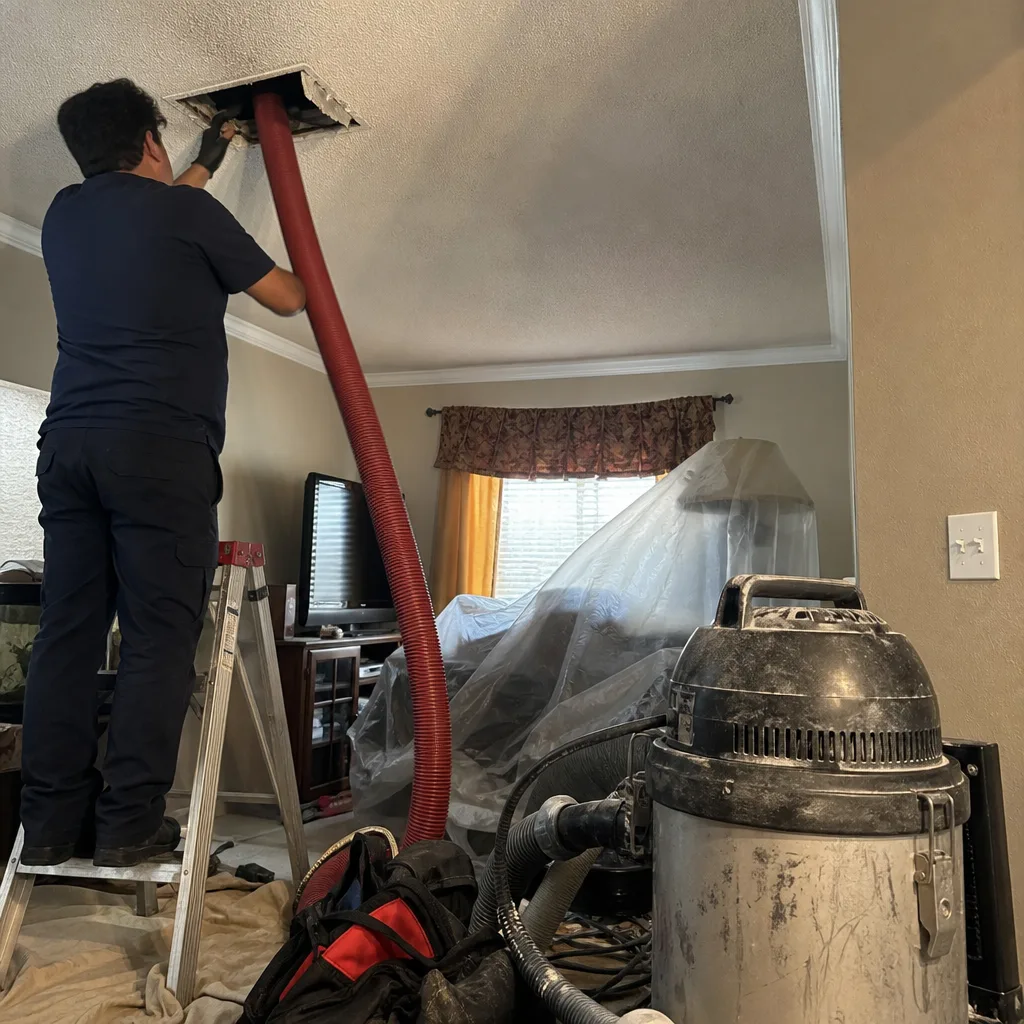
The technical reason is straightforward: modern duct systems are not just passive metal tubes. They are sealed, balanced, pressurized assemblies where small changes affect system performance, energy cost, and indoor air quality. Professional duct cleaning uses negative-pressure extraction, which means the duct system is placed under vacuum while agitation tools loosen debris, so that dust and particles are pulled out of the house rather than blown through it. A shop vac attached to a register does not create negative pressure in the duct system and often makes the problem worse by loosening debris without extracting it.
When to Stop and Call a Professional
- Visible mold growth on register faces or inside the return boot: Mold in Dallas ducts is usually condensation-driven, but the source needs professional diagnosis and the cleaning needs to be done with appropriate containment, not a rag and bleach.
- Persistent musty odor from the vents: This is often biological material in the duct liner or the coil, and it will not resolve with a filter change.
- Visible insect or rodent activity in the return or attic: Rodent droppings and insect frass in ducts are health hazards and need professional removal followed by a duct seal.
- Filter loading within 2 to 4 weeks after replacement: This is a sign the ducts themselves are so loaded that the airstream is picking up internal dust and re-depositing it.
- Any duct segment with visible sagging, crushing, or water damage in the attic: This is a repair issue first, and air duct repair in Dallas is not a DIY project. Flex duct repair requires proper mastic sealing, connector sizing, and sometimes replacement of sections, and a badly done repair can make the system worse than before.
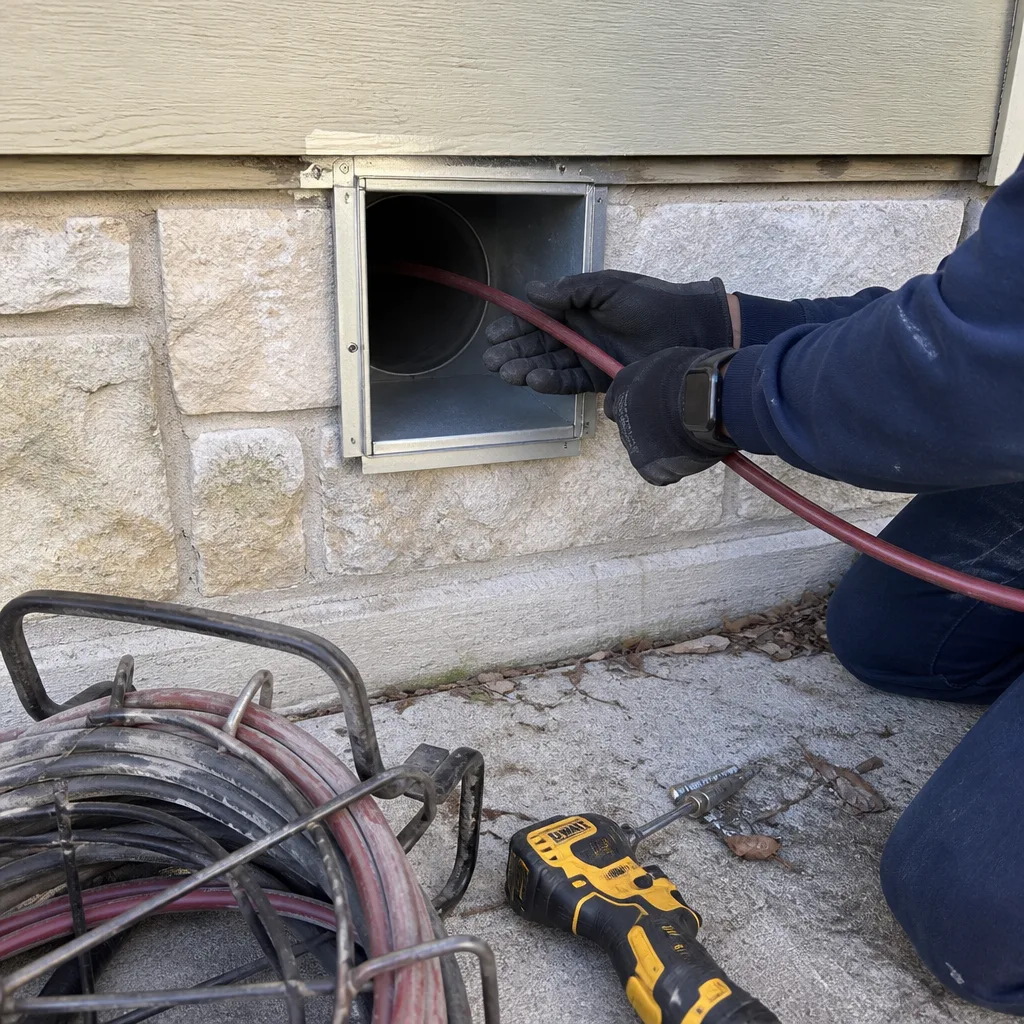
For dryer vent cleaning in Dallas, the same principle applies. You can check the exterior vent hood for lint buildup yourself, but if airflow from the dryer has dropped, the lint blockage is likely deep in the vent run, and that requires professional equipment, not a manual reach.
Common Mistakes to Avoid
- Using a national schedule as if it applies to Dallas. Most national guides recommend filter changes every 90 days and duct cleaning every 5 to 7 years. In Dallas, cedar fever season and spring pollen peaks compress those schedules significantly, and following a generic guide means your family breathes dirtier air than necessary from December through May.
- Changing the filter only when it looks dirty. Cedar pollen and fine dust load filters without producing obvious discoloration. Calendar-based replacement during peak season, not visual inspection, is what protects the system and the air.
- Trusting a per-vent price quote. In the Dallas market, some duct cleaning companies advertise a low per-vent price and then introduce “minimum charges,” “deep cleaning fees,” or “sanitizing add-ons” once the technician arrives. Get a whole-system price in writing before work begins, not a per-opening estimate.
- Ignoring air filters on newly purchased homes. Dallas has a large resale market, and many new homeowners assume the previous owner maintained the system. We regularly find filters in resale homes that have not been changed in over a year, and the dust loading in those systems is significant. Change the filter on move-in day, regardless of what the seller claims.
- Cleaning ducts more often than necessary because of aggressive marketing. There is no reason to have ducts cleaned annually in a normal Dallas home. If a company is pushing yearly cleanings, they are selling fear, not service. The honest interval is 3 to 5 years for most homes, shortened only by specific conditions, not by a sales script.
- Doing DIY duct cleaning with a shop vac. This is the most common mistake we see in Dallas attics. A shop vac cannot create negative pressure in the duct system, and it often damages flex duct liner, especially in older systems with fragile liners. The result is fiberglass particles in the airstream and a larger repair bill than the original clean would have cost.
- Neglecting the dryer vent while focusing on the HVAC ducts. Dryer vents in Dallas homes, especially in older homes with long lateral vent runs, load with lint faster than HVAC ducts load with dust and carry a genuine fire risk. The maintenance checklist should include the dryer vent cleaning in Dallas interval, which for most Dallas households is every 12 to 24 months depending on usage.
When to Call a Professional
Call a professional when your monthly register inspection shows thick crusting you cannot wipe clean, when your filter loads within 30 days, when any register shows moisture or mold staining, or when airflow is noticeably weak in one part of the house. Call when you have had rodent or insect activity in the attic, when a post-storm inspection reveals dented or displaced ductwork, or when you have lived in the home more than 5 years without a professional look at the system. In Dallas, post-storm inspections after severe spring hail or wind events matter because roof damage often translates to attic damage, and displaced ductwork can go unnoticed for months.
Linden Air Duct Dallas offers free estimates in Dallas. Call (361) 309-3153 and we will give you a written price before any work begins, always in writing, always before the job starts.
Frequently Asked Questions
Professional air duct cleaning in Dallas typically runs between $300 and $600 for a whole-home system, depending on square footage, number of systems, and accessibility. The honest range is not “per vent” pricing, it is a whole-system flat rate, and the price should be in writing before any work begins. Call (361) 309-3153 for an exact quote for your home. Estimates are free, and the written price is the price, no add-ons at the end.
Every 3 to 5 years for most Dallas homes, shorter if you have pets, a home older than 15 years, or a family member with severe allergies. The variables that matter are filter change frequency, duct material, pet load, and whether the home has undergone renovation, which introduces construction dust into the system. If it has been more than 5 years since your last professional look at the system, schedule an inspection and get a written assessment before deciding on cleaning.
Before, if the system is due. Cleaning in October or November removes the summer’s accumulated dust before the furnace burns it off and before cedar pollen pushes through the filters all winter. Cleaning in February, during peak cedar season, is less useful because the system will immediately begin loading with outdoor allergen, and the benefit is shorter-lived. If you are going to have the system cleaned, do it in the shoulder season when the load is lower and the work is more durable.
In the Dallas market, a very low quote almost always means per-vent pricing with add-ons to follow. A company that quotes $99 for “unlimited vents” is not going to do professional negative-pressure extraction. They will run a rotating brush in and out of each register and then upsell sanitizing, deodorizing, and “mold treatment” at the door. A legitimate whole-system cleaning takes 3 to 6 hours, uses professional equipment, and should be priced as a whole system, not per vent. If a quote looks too low to support half a day of labor with proper equipment, it is.
Ask for before-and-after photos, but not just photos of a technician holding a brush. The useful photos are interior shots taken through access points: the return boot, the trunk line, and the supply plenum before and after extraction. At Linden Air Duct Dallas, we document every job with interior photos of the duct system before and after cleaning, and the technician walks you through what the photos show when the job is finished. If you are watching the work happen, you should see a negative-pressure vacuum pulling air through the system during the entire cleaning cycle.
Mostly, yes. Dallas sits in a region where dust from West Texas, pollen from the Hill Country, and construction particulate from the metroplex all blow into outdoor air, and outdoor air enters homes through windows, doors, and infiltration. But the second source is internal: dead skin cells, pet dander, fabric fibers, and candle soot, which recirculate through the system and deposit in ductwork over time. The mix is usually about 60 to 70 percent outdoor dust and 30 to 40 percent indoor sources, depending on how tightly sealed the home is.
The Bottom Line
A maintenance checklist only works when it is calibrated to your actual home. Dallas conditions mean filter changes compress during cedar fever and spring pollen peaks, flex duct in hot attics needs closer watching than sheet metal, and slab-foundation homes with pets load filters faster than the national averages suggest. The habits that matter are monthly register inspections, a filter log, a 90-day photo record of the return boot, and a professional cleaning every 3 to 5 years, documented with before-and-after evidence. If you want a written assessment of your specific system, call (361) 309-3153 and we will give you a free estimate with a price in writing before any work starts.
Written by Marcus Veale, Owner at Linden Air Duct Dallas, serving Dallas since 2004.
See the difference
 Before
 After
After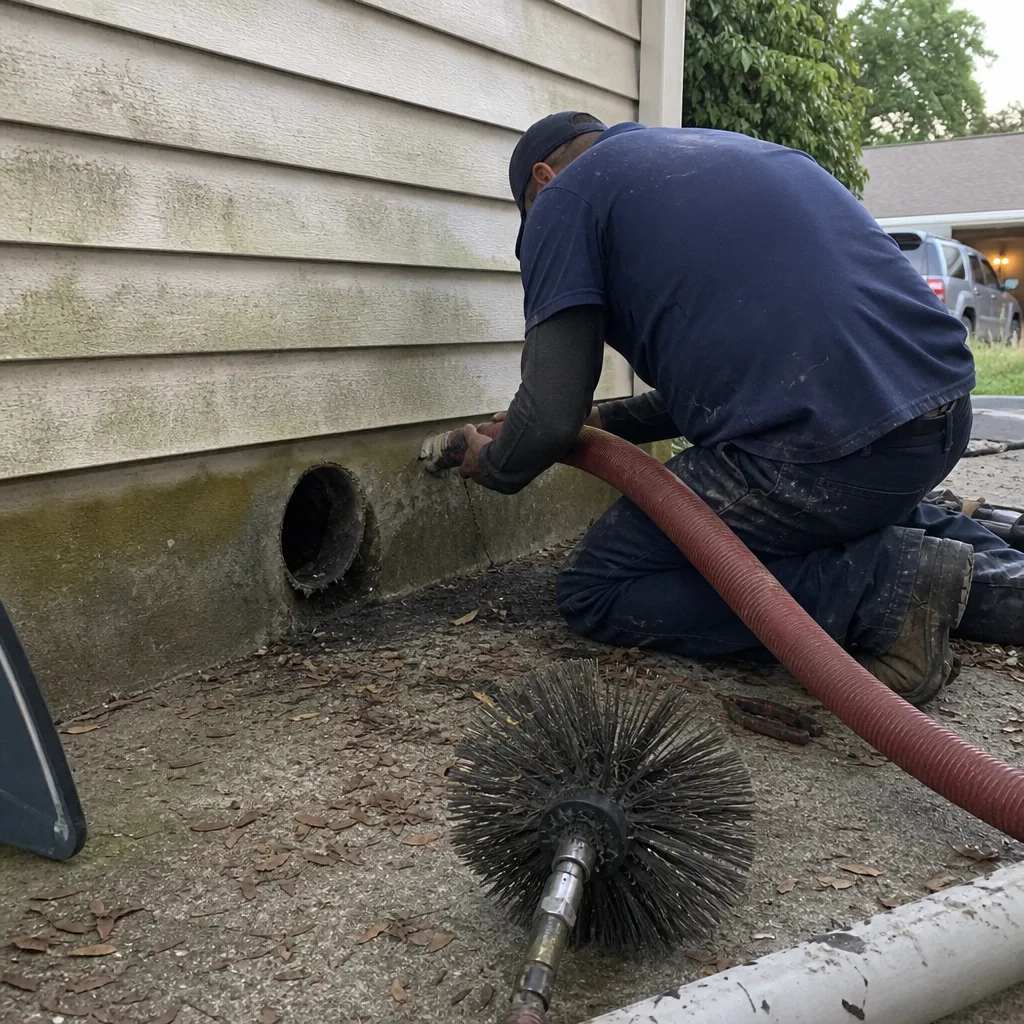 Before
 After
After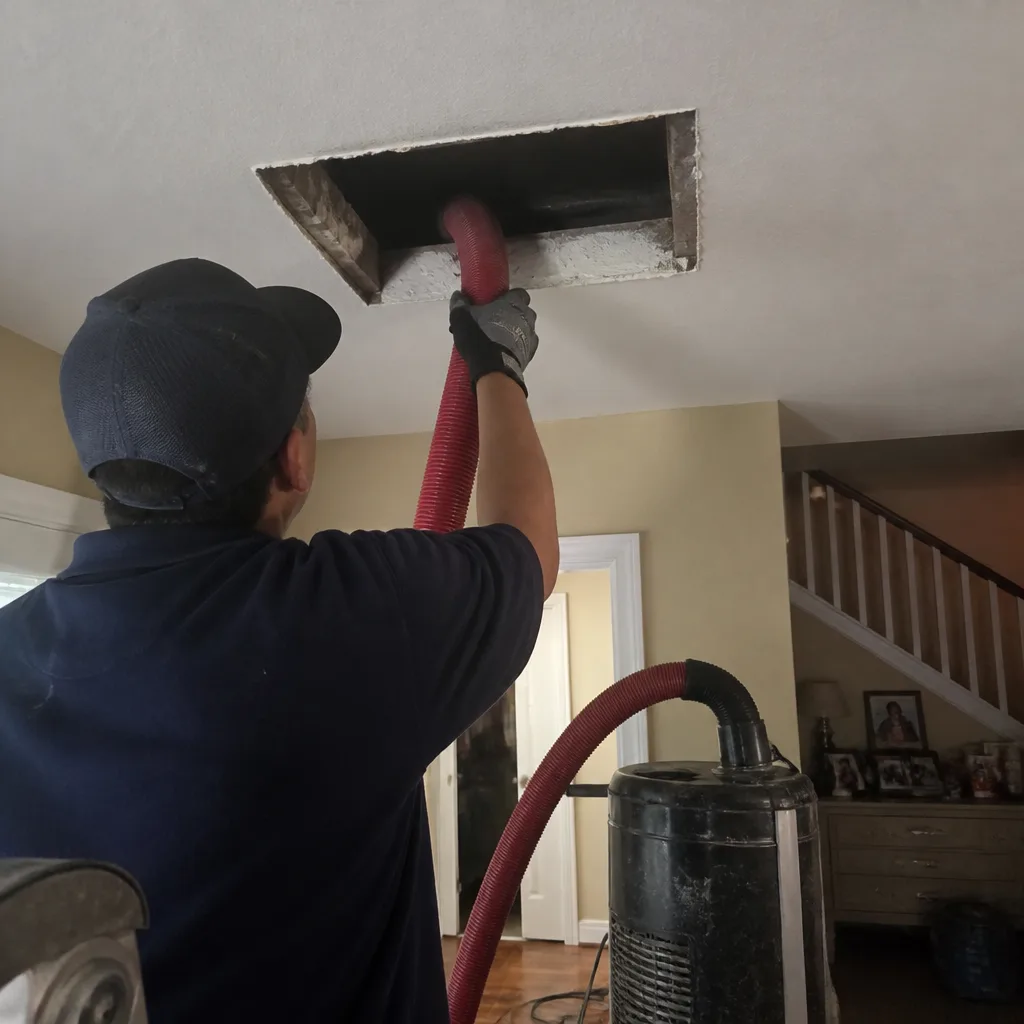 Before
 After
After