
Last updated October 15, 2026
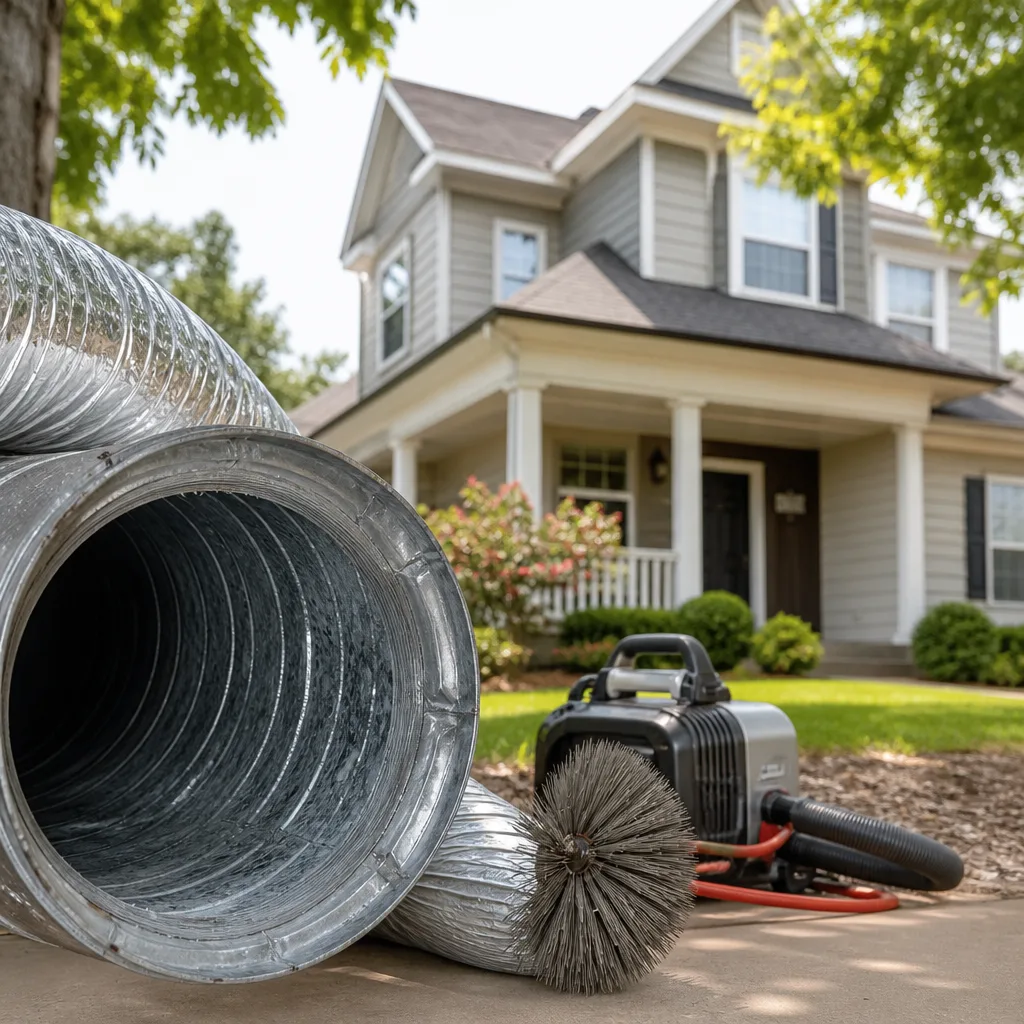 Whole-home duct cleaning
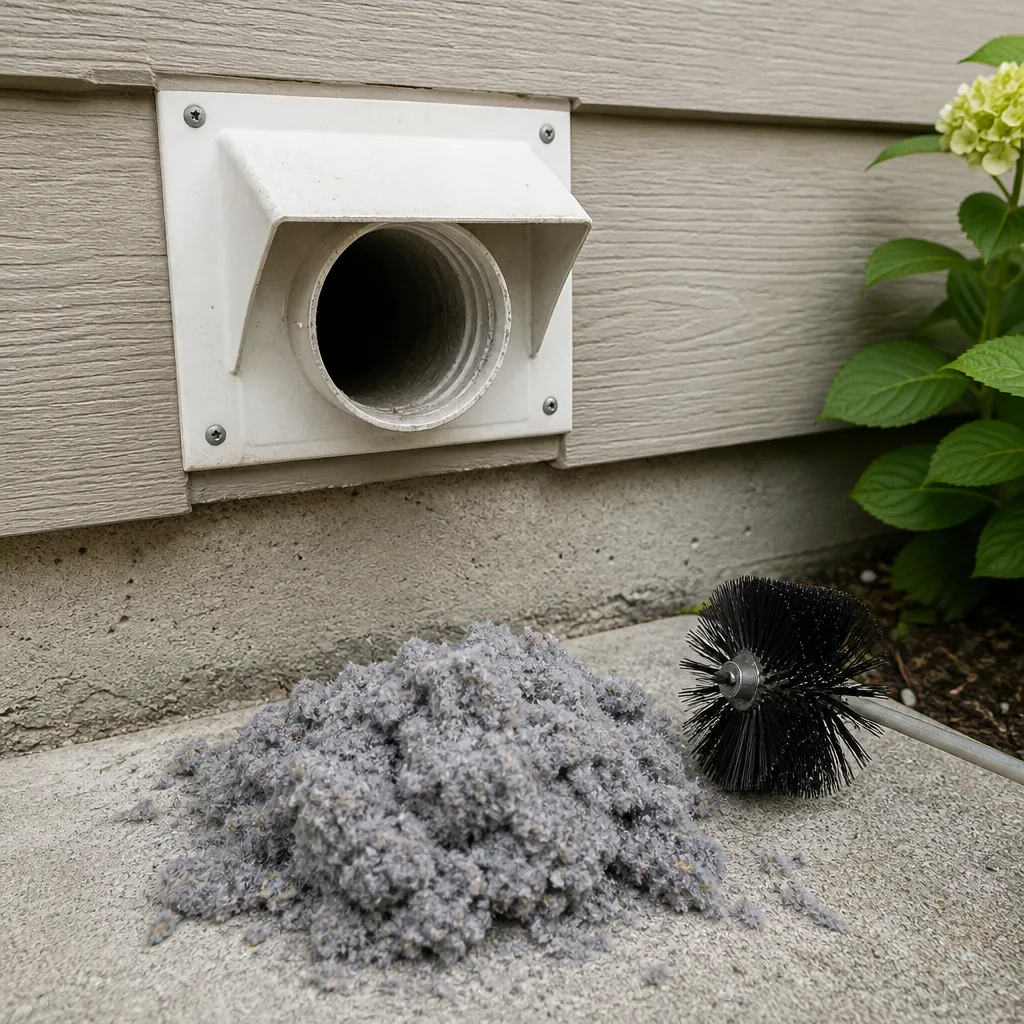 Dryer vent cleaning
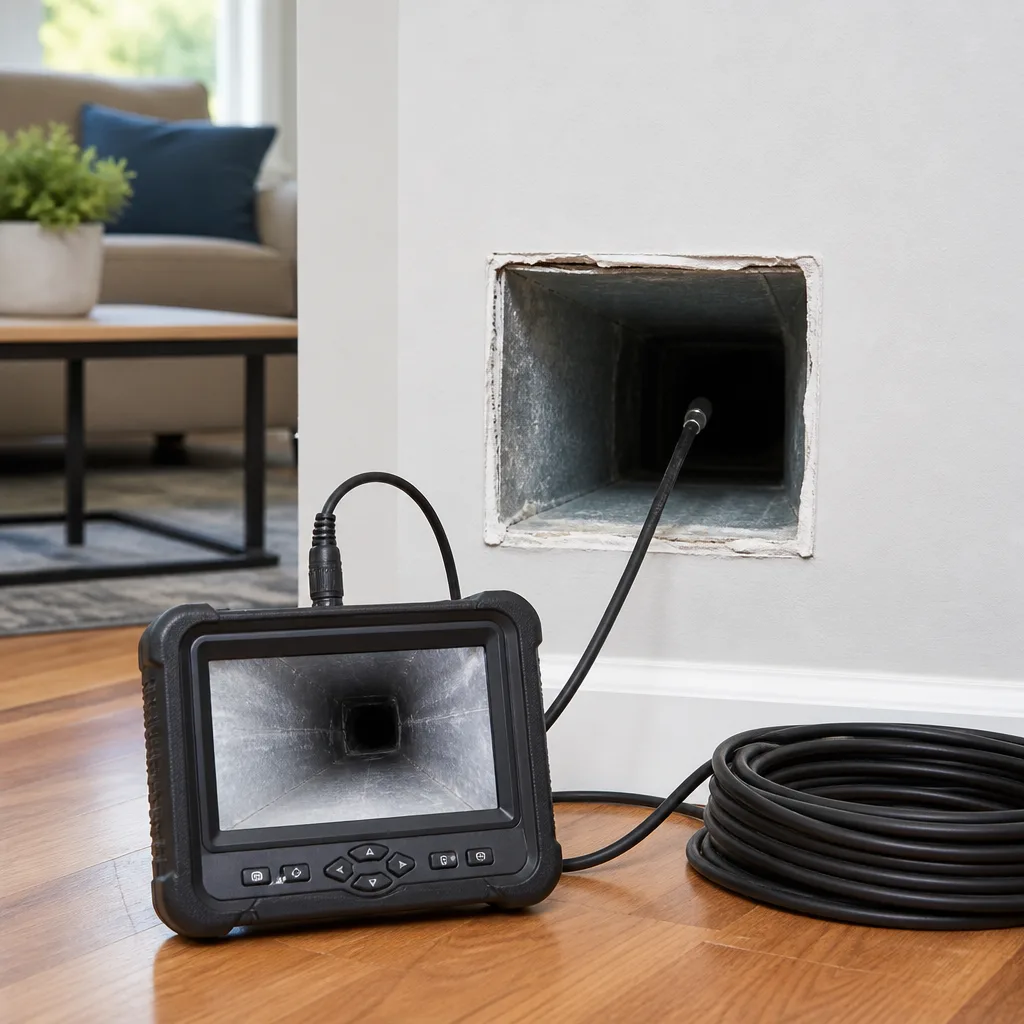 Camera inspection
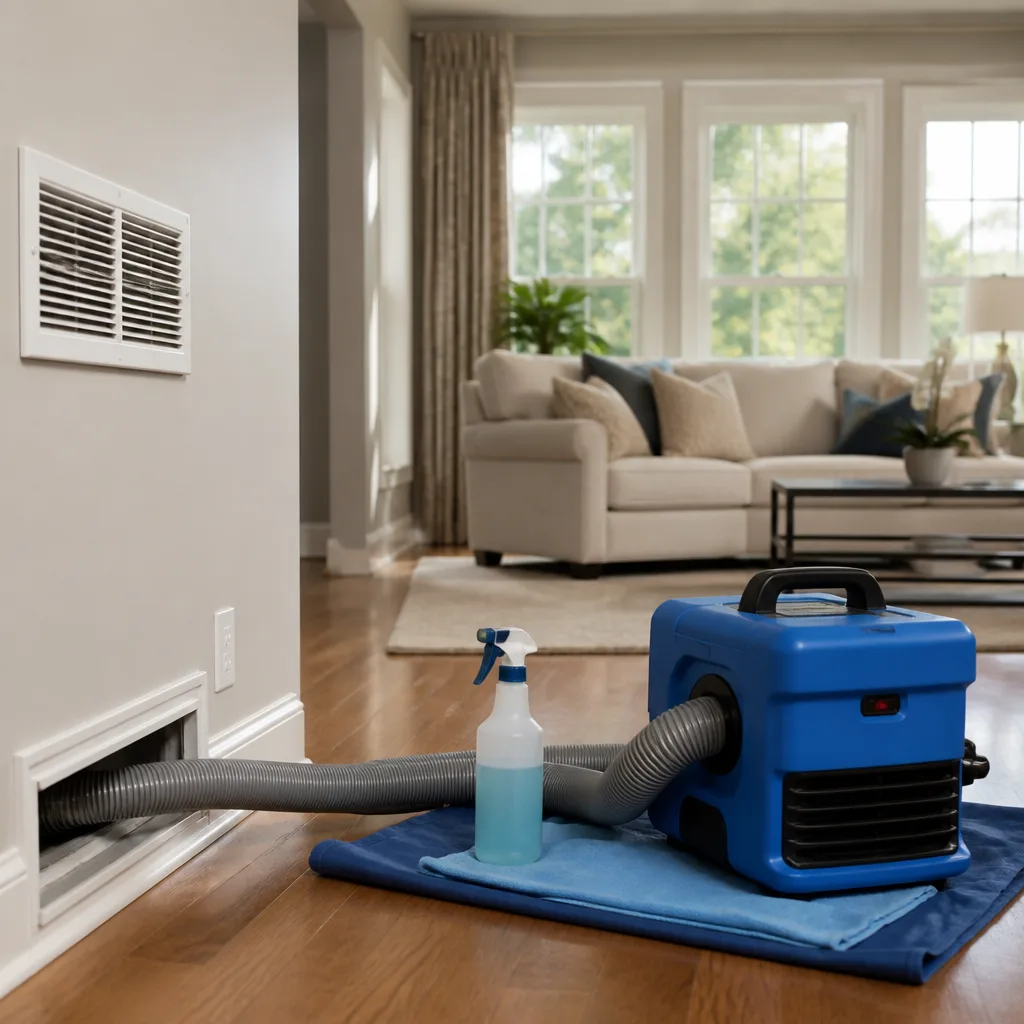 Sanitizing & deodorizing
Whole-system duct and dryer vent check with before-and-after photos - you see exactly what came out of your vents
That "$99 whole-house special" is a bait ad - the real number appears once they are in your hallway, or the "clean" is a shop-vac at the register. We photograph the inside of your ducts before and after instead.
DIY vs Professional Air Duct Cleaning: The Dallas Homeowner’s Decision Guide
Here’s what twenty-plus years of cleaning ducts in Dallas keeps teaching us: the homeowner who “did it themselves” almost always cleaned the wrong part of the system. A shop vac in a register reaches three to four feet of branch duct. The trunk line running the length of your attic, the return plenum behind your filter, the blower wheel moving every cubic foot of air you breathe in a Dallas summer – none of that gets touched. This guide maps exactly what a homeowner in Dallas can and cannot reach, what a proper DIY attempt actually costs, and how to know when the job has moved past a weekend project - or when to call our Air Duct Cleaning services instead. You’ll finish it knowing precisely which parts of your system matter and why.
Styles & brands we work with
Quick Answer
DIY air duct cleaning in Dallas works for light, surface-level maintenance: register cleaning, filter replacement, and removing visible debris after a renovation. Professional cleaning is the right call when the contamination lives in the main trunk line, return plenum, or blower assembly – because those areas require commercial negative-pressure equipment and training that no consumer tool can replicate. Most Dallas homes need professional-grade cleaning of the full system every three to five years, with simple DIY maintenance in between. If your ducts haven’t been cleaned in over five years, or if you see mold or moisture staining, call a professional – that’s not a weekend job.
Table of Contents
- The Real Map of Your Duct System: What You Can and Cannot Reach
- The Honest Cost of a Real DIY Attempt in Dallas
- Three Scenarios Where DIY Is the Right Call
- Three Scenarios Where Professional Is Non-Negotiable
- How Professional Equipment Actually Works: Negative Pressure and Agitation
- How to Verify a Professional Actually Cleaned What They Claimed
- Common Mistakes to Avoid
- When to Call a Professional
- Frequently Asked Questions
- The Bottom Line
Key Takeaways
- DIY reaches registers and the first few feet of branch ducts. It does not reach the main trunk line, return plenum, or blower wheel where the majority of airflow contamination lives.
- A genuine DIY attempt in Dallas costs $80 to $200 in rentals and tools once you account for a proper HEPA vacuum, long hose runs, and register brushes; the time cost is four to six hours for a partial clean.
- DIY is right for light maintenance and surface debris. Professional cleaning is necessary for mold, moisture, and systems untouched for more than five years.
- Verify professional work with a written scope, before-and-after photos of the main trunk line, and a technician who walks you through the inspection camera footage on site.
- Linden Air Duct Dallas offers free estimates by phone at (361) 309-3153, with a written price agreed before any work begins.
The Real Map of Your Duct System: What You Can and Cannot Reach
Before we compare DIY to professional cleaning, you need to understand what your duct system actually looks like. Most Dallas homes built after 1980 use flexible duct (often called flex duct) running from a central sheet-metal trunk line through the attic or between floors. The system has components you can see and components you can only access with specialized tools. The Air Duct Cleaning in Dallas process addresses the components you cannot reach; understanding the map helps you see why.
- Supply registers and return grilles: The visible vents in your ceiling, wall, or floor. These are the only parts a homeowner can directly access and clean with a vacuum and brush. Removing a return grille takes 30 seconds; removing a supply register takes about a minute. Both trap dust, hair, and pet dander that you can see.
- Branch ducts: The smaller flex duct runs connecting each register to the main trunk line. They are typically 6 to 8 inches in diameter and run 10 to 30 feet through the attic. You can clean the first 3 to 4 feet of a branch duct with a consumer vacuum, but the rest requires a powered agitation brush or air whip on a long flexible shaft. In our experience, about 70% of the visible dust in a Dallas attic branch duct sits in the first 8 feet; the remaining 30% sits beyond what a consumer tool reaches.
- Main trunk line: The large central duct running the length of your attic or crawl space, usually 16 to 22 inches wide. This is the collector: every branch duct feeds off it. Dust that reaches the trunk line settles there permanently until removed by negative-pressure extraction, because trunk-line airflow moves too slowly to carry it away. Consumer vacuums cannot reach the trunk line: it is too large to seal, too deep to brush, and too long to push a hose through.
- Return plenum: The box where return air enters the system before passing through the filter and into the blower. This box acts as a settling chamber. Because return air moves more slowly here, heavier particles drop out. The return plenum often holds more dust than any supply duct, and no consumer tool reaches it without cutting an access panel.
- Blower motor and wheel: The fan that pushes air through the system. If the blower wheel has never been cleaned, it carries a blanket of caked dust that reduces airflow and strains the motor. Cleaning the blower wheel requires removing the access panel from the air handler, which in Dallas means working inside an attic in July. That’s not a DIY project. This is also the first place a professional checks when airflow has dropped in a home, and it is directly tied to a Air Duct Repair in Dallas call when the wheel or motor has failed.
- Evaporator coil: The cold coil the air passes over to be cooled. It lives inside the air handler next to the blower. A dirty coil reduces efficiency and can freeze a system in the middle of a Dallas August. Coil cleaning requires accessing the air handler and using a commercial coil cleaner; it is not part of a duct cleaning job but should be inspected during one.
The takeaway: a homeowner with basic tools can clean the visible parts – registers, grilles, and the first few feet of branch duct. The parts of the system where the contamination actually lives – trunk line, return plenum, blower wheel, coil – are physically inaccessible without professional equipment and a working knowledge of air handler access panels. That is the line between DIY and professional, and it is a hard, physical line, not a matter of effort.
The Honest Cost of a Real DIY Attempt in Dallas
Nobody on YouTube shows a real, honest DIY duct cleaning cost breakdown. They show a shop vac and a brush. Let’s run the actual numbers for a Dallas homeowner who wants to do a genuine job, not a show.
- HEPA vacuum rental: A standard shop vac filters down to about 30 microns. Dust that matters – pet dander, mold spores, combustion particles – is 0.3 to 10 microns. To capture what you’re actually trying to remove, you need a HEPA-filtered vacuum. Rental units in Dallas run $25 to $50 per day from hardware and equipment rental shops. A HEPA-rated consumer vac you own runs $120 to $300.
- Flexible brush kit and extension rods: To reach the first 3 to 4 feet of each branch duct, you’ll need a registration brush and extension poles. A basic kit runs $30 to $60. It will not reach the trunk line.
- Gloves, masks, and drop cloths: Basic N95 masks and nitrile gloves: $10 to $20. Drop cloths to protect furniture if you dislodge dust from a register: $10 to $15.
- Inspection camera: If you want any idea whether you actually got anything out, a cheap endoscope camera for a smartphone costs $30 to $70. Without this, you’re cleaning blind.
- Time: The honest time for a real DIY attempt – removing every register, brushing accessible branch duct, vacuuming returns, wiping grilles – is four to six hours. That assumes access to the attic, which in Dallas in summer means working in 120 to 140 degree attic heat for at least an hour of the job. That is not a small cost.
Total out-of-pocket: $80 to $200 for a partial clean, more if you buy a HEPA vac outright. Total reach: registers, grilles, and a few feet of branch duct per vent. Total risk: you knock a flex duct loose in the attic, you tear older flex duct with a brush, or you push dust further down the system and think you’re done. We have seen all three happen in Dallas homes. The professional alternative – a full-system clean with commercial negative-pressure equipment – costs in the range of $400 to $800 in Dallas depending on home size and system condition, and it reaches every part of the map above. That is the honest comparison.
Three Scenarios Where DIY Is the Right Call
We do not believe every job requires a truck and a technician. Here are the specific situations where a homeowner in Dallas should absolutely handle the work themselves, and exactly what to do. For everything else, see How to Hire a Air Duct Cleaning Contractor in Dallas: A Step-by-Step Guide.
- New construction dust. If you’ve recently bought a newly built home in Dallas’ northern suburbs – think Frisco, Prosper, Celina, or McKinney – your ducts likely hold construction dust: drywall particulate, sawdust, and insulation fibers. This dust is recent, dry, and surface-level. Remove every register, wipe it with a damp cloth, vacuum the visible opening with a brush attachment, and replace the filter. Do this two or three times in the first year. The dust was never packed into the trunk line because the system is too new; it is sitting right at the registers. This is a legitimate DIY win.
- Light maintenance between professional cleanings. If you had the system professionally cleaned within the last two years, your home has two shedding dogs and a cat, and you can see dust collecting on the return grille – clean it. Vacuum the return grille weekly or wipe it with a damp cloth. Replace the filter every 60 to 90 days, more often during peak Dallas allergy season in spring and fall. This is the highest-ROI piece of duct maintenance any homeowner can do and it takes less than twenty minutes a month. It does not replace a professional cleaning; it extends the interval between them.
- Register-level debris after a renovation. If you just had a kitchen or bathroom remodeled in an older Dallas neighborhood like Lakewood, East Dallas, or Richardson, your registers and the first foot of branch duct probably caught drywall dust and demolition debris. Pull the registers, vacuum what you can see, wipe the grilles, and run the system with a fresh filter. If the renovation was substantial – demolition, sanding, or insulation work – schedule a professional cleaning after you’ve done your surface pass, because that fine dust will migrate deeper into the system. But the surface pass is yours.
One more scenario worth naming: if your system is clean and you simply want to check the visible registers, that’s not a project, that’s five minutes with a vacuum. Do it. The line between DIY and professional is drawn by reach, not by willingness.
Three Scenarios Where Professional Is Non-Negotiable
These are the situations where no amount of consumer equipment or effort will do the job, and where attempting DIY can make the problem worse.
- Visible mold or a musty, dirt-like odor when the system runs. Mold in a Dallas duct system is a health and safety issue, not a cleaning inconvenience. If you see black, green, or white growth on a register, on the inside of a return grille, or on insulation near the air handler, stop. Do not vacuum it or brush it. The mold you see is almost never the full extent of the problem; the trunk line and coil are where it first grows, because that’s where moisture and organic dust combine. Professional cleaning for mold requires HEPA-filtered negative pressure, antimicrobial treatment registered for HVAC use, and an inspection of the coil and plenum. If our technicians see visible mold growth in Dallas homes, we always flag it and recommend a licensed mold assessment before cleaning proceeds.
- Post-flood or moisture intrusion. Dallas has a long history of heavy spring storms and localized flooding – Lake Highlands, Garland, and Mesquite have all seen water where it should not be. If water from a roof leak, pipe burst, or floor flooding entered your ducts, you need professional attention immediately. Wet dust becomes a paste that hardens inside flex duct. Wet insulation wicks moisture into the trunk line. The system will dry slowly in the attic and grow what moisture grows. Professional recovery includes drying the system, removing water-damaged duct lining, and cleaning the remaining surfaces. This is not a “let it dry” situation.
- The system has not been cleaned in more than five years. If you moved into a Dallas home and cannot verify that the ducts were ever cleaned – and the system looks original to a 1990s or 2000s build in areas like Carrollton, Farmers Branch, or Richardson – assume the trunk line, return plenum, and blower wheel have never been touched. A system with five-plus years of Dallas heat, humidity, and allergen load has compacted dust that consumer tools cannot dislodge and would not capture if you could. This is the single most common situation we walk into, and it is the one where the gap between what a homeowner can do and what the system needs is widest. The professional clean is the only path back to a baseline you can then maintain with DIY effort.
In all three scenarios, the question is not cost versus savings. The question is whether the system is clean enough for the air your family breathes. When the answer is no, professional equipment is the only tool that reaches the problem.
How Professional Equipment Actually Works: Negative Pressure and Agitation
The mechanical difference between consumer and professional duct cleaning is not “bigger vacuum.” It’s the combination of two things: negative pressure and powered agitation. Here’s what those terms mean and why they matter. In our experience, Dallas homeowners who understand this never wonder again why a shop vac misses the trunk line.
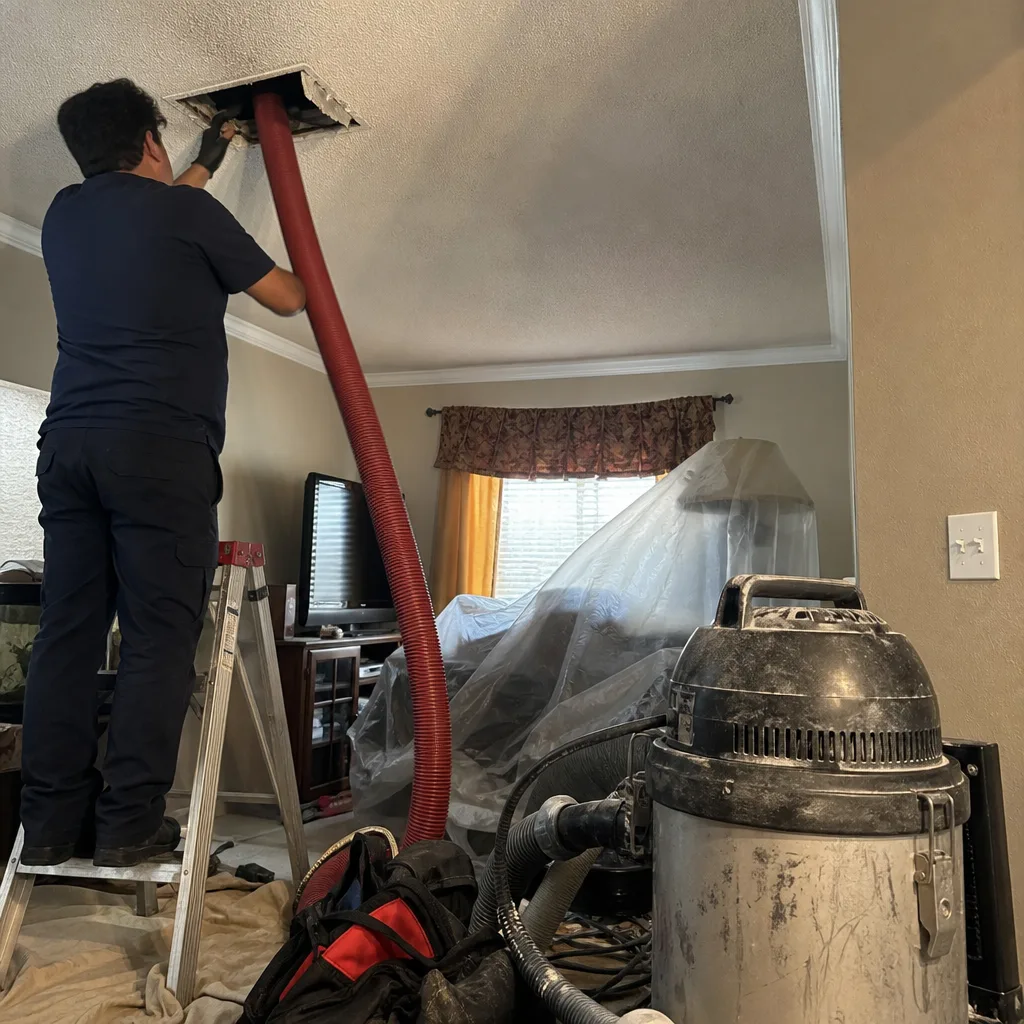
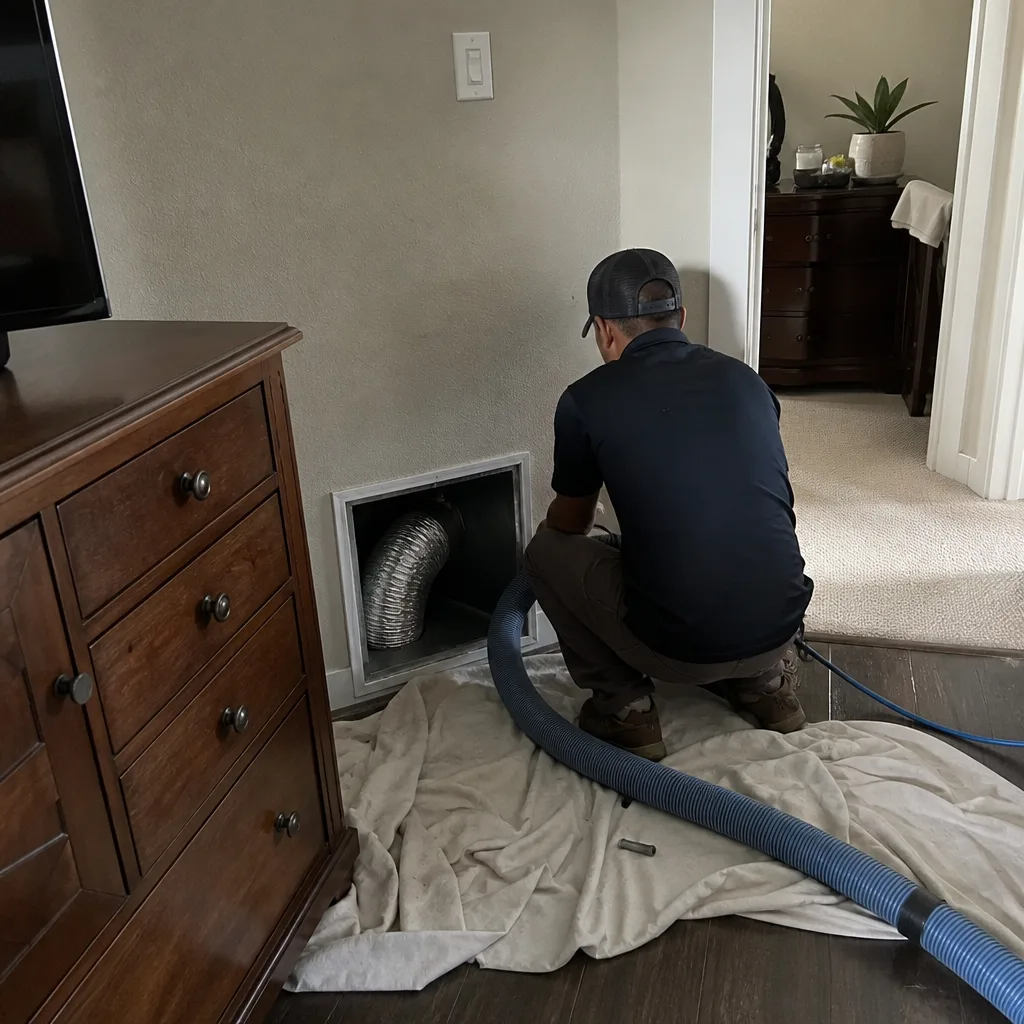
Negative pressure means the system is sealed off and placed under suction. A professional truck-mounted or portable HEPA filtration unit connects to the main trunk line through a large-diameter hose, usually 12 to 16 inches, and creates continuous vacuum pressure throughout the system. That pressure does two things a consumer vacuum cannot: it holds dust airborne in the airstream rather than letting it settle, and it prevents contaminated air from escaping into the house through loose duct seals. The system becomes a closed loop. A shop vac pulls air through a two-inch hose with no seal; it cannot depressurize the ductwork to create a controlled airstream, and it actually blows some of the air you’re trying to capture back into the attic or the room.
Agitation is the second half. The dust packed onto the floor of a 16-inch trunk line after a decade of Dallas allergens will not lift off under suction alone; it has to be beaten loose first. Professional crews push a rotating brush or a pneumatic air whip down the full length of each branch duct and the trunk line, physically breaking the dust free so the negative pressure can carry it to the HEPA filter. We run professional-grade equipment from trade brands like Nikro and Abatement Technologies for exactly this reason. The brush reaches; the suction removes.
After the supply side is done, a legitimate professional job does the same work on the return side – the return plenum, return branches, and the blower wheel and housing. This is the part most homeowners never think about, because the return side is hidden behind the filter. It’s also the part most likely to be skipped by cut-rate cleaning operations that clean only the supply registers and call the job done. The full job takes a two-person crew four to six hours on a typical single-family Dallas home. If someone quotes you a 45-minute whole-house duct cleaning, they are not running negative pressure and agitation; they are wiping registers and charging you for the imagination of a clean system.
How to Verify a Professional Actually Cleaned What They Claimed
This is the section that separates a transaction from a service. The duct cleaning industry nationally has a reputation problem, and it is earned: too many companies quote a low teaser price, show up with a small vacuum, clean the registers, and hand you an invoice. Dallas homeowners deserve better. Here is exactly how to verify the work, every single time.
- Get a written scope before the van arrives. The scope lists what is included: supply trunk, supply branches, returns, blower wheel, coil inspection. If the scope does not name the main trunk line and return plenum by name, those parts are not being cleaned. At Linden Air Duct Dallas, we put the price in writing before any work begins, and the line-item scope is part of that written estimate. There is no version of our job where you discover what was included after the fact.
- Ask whether the blower wheel is being cleaned. The blower wheel is the most commonly skipped component in the industry because it requires opening the air handler. If the scope says “duct cleaning” but does not mention the blower, ask directly: “Is the blower wheel being brushed and vacuumed?” If the answer is vague, find a different company.
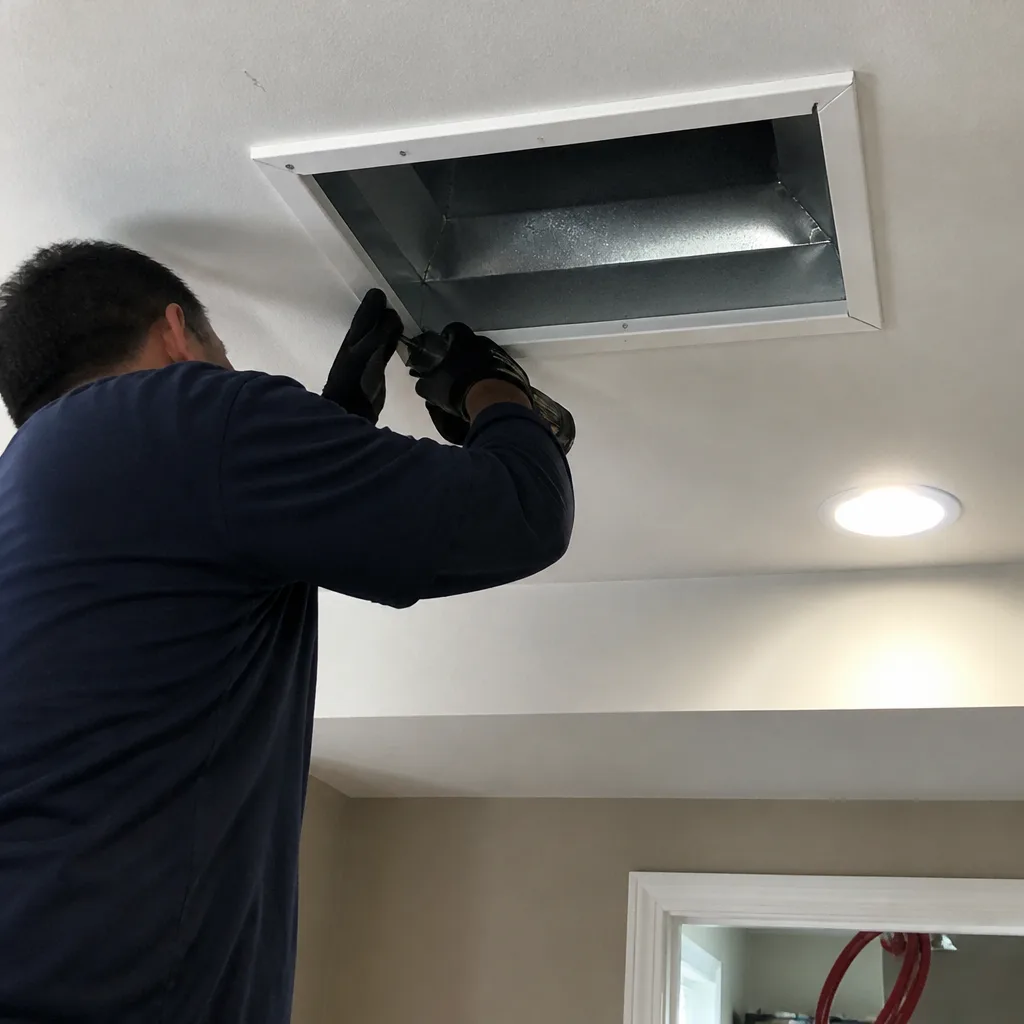
- Request before-and-after photos of the trunk line, return plenum, and blower wheel. Our technicians run an inspection camera into the main trunk before work begins and after it ends. The photos are date-stamped and shown to you on site, and they are sent to you after the job. You should see visible difference: a metallic surface where there had been a layer of gray dust. If a company cannot show you photos of the inside of your trunk line, assume the inside of your trunk line was not cleaned.
- Confirm the equipment is HEPA-filtered negative pressure. The truck, the trailer, or the portable unit should say HEPA on it. If you see a small shop vac and a brush, that is not commercial duct cleaning. Our portable units run HEPA filtration and are sized for the full system, not for a car interior.
- Verify who is at your door. Demand identity before the work begins. The technician should come from a company that sends you their name and photo before the visit, and they should show a photo ID badge when they arrive. Our crew operates under the Threshold Standard – background-checked, identity-verified, photo-badged, and introduced by name and photo before they ever set foot in your home. If any of those pieces is missing, you do not have to open the door.
We wrote this list because we want Dallas homeowners to hold every duct cleaning company to a standard they can actually verify. If you call us, you should hold us to it too – that’s the deal. The verification turns a service call into an accountable transaction, and that is the only kind of duct cleaning worth paying for.
Common Mistakes to Avoid
- Vacuuming a moldy register with a shop vac. This kicks spores into the air and spreads the problem through the room. If you see green, black, or white growth, stop and call a professional before doing anything else.
- Pushing a brush too deep into older flex duct. Flex duct in Dallas attics from the 1990s and early 2000s is often brittle. A stiff brush can tear the inner liner, creating a leak that dumps conditioned air into the attic. If you feel resistance, stop.
- Cleaning only the supply registers. This is the classic DIY half-job, and it’s also the classic cut-rate company half-job. Dust in the return plenum and blower wheel recirculates through your home whether the supply side is clean or not. If the return side wasn’t cleaned, the system isn’t clean.
- Replacing the filter once a year during a Dallas allergy season that lasts ten months. Dallas sees cedar in December, oak in March, and ragweed through October. Replace the filter every 60 to 90 days year-round, and check it monthly when pollen counts spike.
- Hiring on price alone for a whole-system clean. The $99 whole-house offer in a Dallas mailbox almost always means: one tech, a small vacuum, registers only, and a “recommended upgrade” pitch before the hour is out. You end up paying more than the honest quote for less than the real job.
- Not asking who is coming to the door. You would not let a stranger into your home for any other service without knowing their name and seeing ID. Duct cleaning is no different. Ask for the name, the photo, and the badge before you open the door.
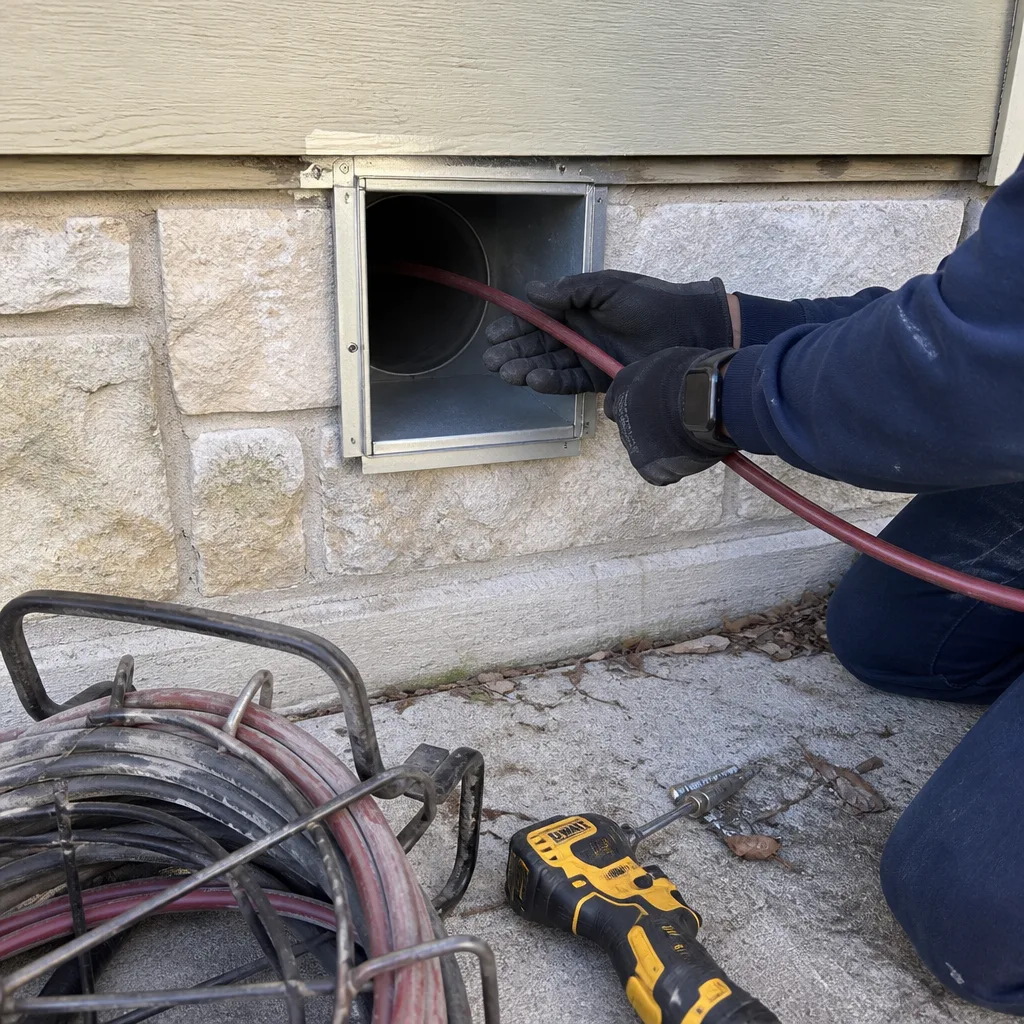
- Confusing a dryer vent cleaning with an air duct cleaning. They are related but different jobs with different equipment and different scope. The Dryer Vent Cleaning in Dallas service clears lint from the exhaust run; the air duct cleaning clears the HVAC system. Make sure the estimate covers the system you actually need cleaned.
When to Call a Professional
Call a professional when you see mold or moisture staining around registers, when you smell a musty odor every time the system runs, when your home floods or a roof leak reaches the ductwork, when the system has not been cleaned in over five years, or when your energy bills keep climbing and no amount of filter changes moves the difference. Also call when you’ve done your DIY maintenance and the visible dust returns within weeks – that tells you the source is deeper than the register. Linden Air Duct Dallas offers free estimates for homeowners across the Dallas area – call (361) 309-3153 and a live person answers 24 hours a day, seven days a week. No voicemail loops, no callback queues. Tell us what you’re seeing and we’ll give you an honest read on whether the job is a maintenance task or a full-system clean.
Frequently Asked Questions
Professional whole-system air duct cleaning in Dallas typically costs between $400 and $800 for a single-family home, depending on home size, number of returns, and system condition. Scope matters more than price: a quote that includes the main trunk line, return plenum, blower wheel, and all branch ducts is worth more than a cheaper quote that cleans only registers. Get the written scope and the price together, before work begins. Call (361) 309-3153 for a free, no-obligation estimate for your specific Dallas home.
Cheaper quotes almost always mean a smaller scope. The $99 or $149 offers common in Dallas mailers typically cover register cleaning only, one technician, and a portable vacuum that cannot depressurize the full system. The company arrives, cleans visible vents, and then pitches add-ons that bring the final invoice above the honest whole-system price. A legitimate full-system clean takes four to six hours with two technicians and commercial HEPA equipment; nobody is doing that for $99. Ask any quote to name the main trunk line, return plenum, and blower wheel in writing. If it won’t, the cheap price is for a partial job.
You know the work was done when the company shows you before-and-after photos of the inside of your main trunk line, return plenum, and blower wheel, taken with an inspection camera during the job. Every legitimate professional clean includes this documentation. At Linden Air Duct Dallas, we run the camera before and after and show you the footage on site, then send the dated photos after the job. If a company cannot show you photographic proof from inside the system, assume the inside of the system was not cleaned. That’s the single simplest verification.
In Dallas, a full professional air duct cleaning every three to five years is the honest guideline for most homes, with the interval shortened if you have shedding pets, recent renovations, bad seasonal allergies, or smokers in the house. Dallas sees long, intense pollen seasons – cedar and oak in spring, ragweed through fall – and the dust that collects in a duct system is Dallas pollen and red clay fine particulate. Between professional cleanings, replace your filter every 60 to 90 days and vacuum visible returns monthly. If you’ve never had the system cleaned and the home is more than five years old, assume it’s due.
No, and this is one of the more dangerous DIY ideas floating around Dallas forums. A leaf blower creates positive pressure; it blows dust out of the registers but also forces it through every gap and seam in the ductwork, into the attic, and back into the living space. It does not capture anything. The only effective approach is negative pressure – suction that controls the dust and carries it to a HEPA filter. Anything else moves contamination around; it doesn’t remove it.
Air duct cleaning addresses the HVAC system – the supply and return trunks, branch ducts, blower wheel, and coil. Dryer vent cleaning addresses the exhaust run from your dryer to the outside, clearing accumulated lint that is a documented fire hazard. The two jobs use different equipment, different access points, and different scopes. Many Dallas companies offer both; make sure the estimate you receive covers the system you actually need serviced. We offer both, and the written scope will tell you exactly which one you’re getting.
The Bottom Line
The DIY versus professional question for Dallas duct cleaning comes down to reach: you can clean what you can reach, and you cannot reach the parts that matter most. Maintain what’s visible – registers, grilles, filters – and you’ll extend the life of every professional clean. But the trunk line, return plenum, and blower wheel require commercial negative-pressure equipment and trained technicians, and there is no consumer workaround for that. The honest test is simple: when was the last time you saw photographic proof that the inside of your main trunk line was clean? For more guides & resources on protecting your home’s air quality, visit our blog. If you cannot answer that, call us at (361) 309-3153 for a free estimate, and we’ll show you exactly what’s in there before we touch a thing. A live person answers, any hour, any day.
Written by Marcus Veale, Owner at Linden Air Duct Dallas, serving Dallas since 2004.
See the difference
 Before
 After
After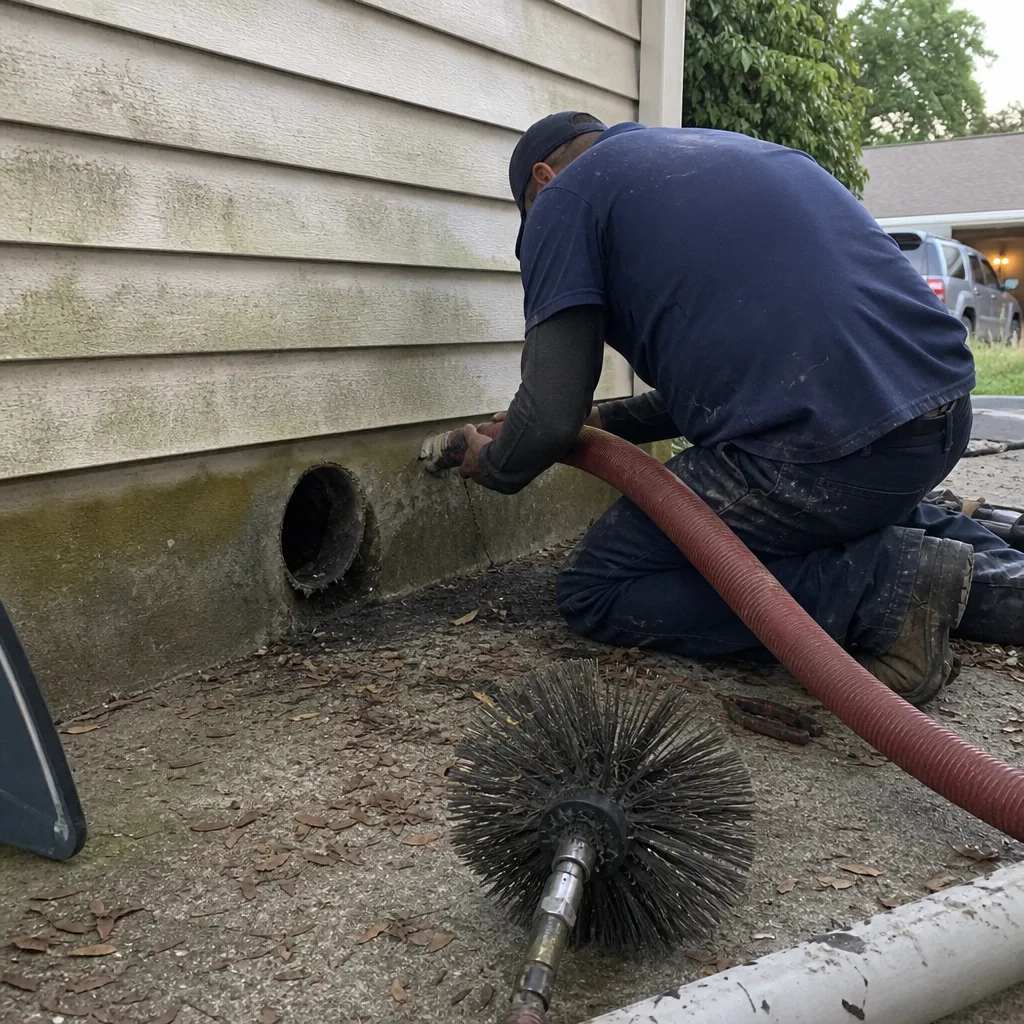 Before
 After
After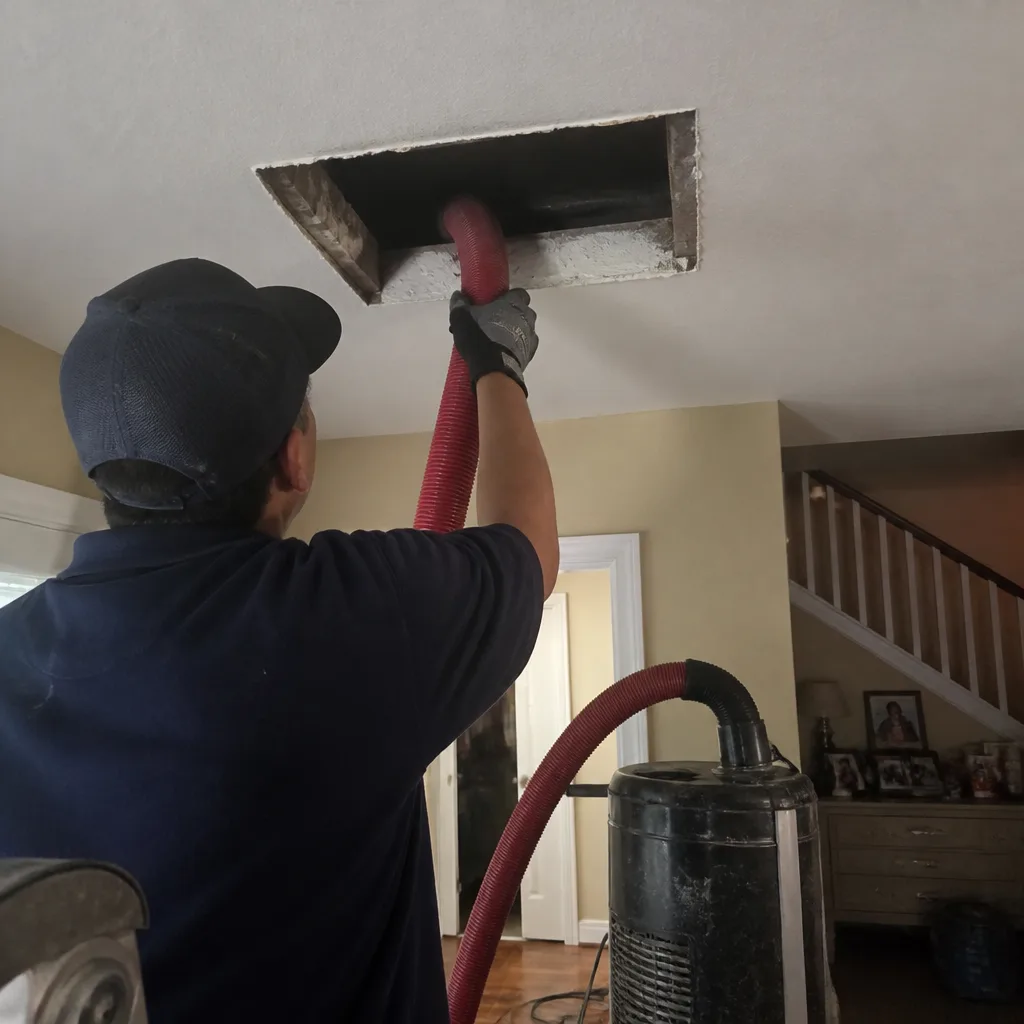 Before
 After
After