
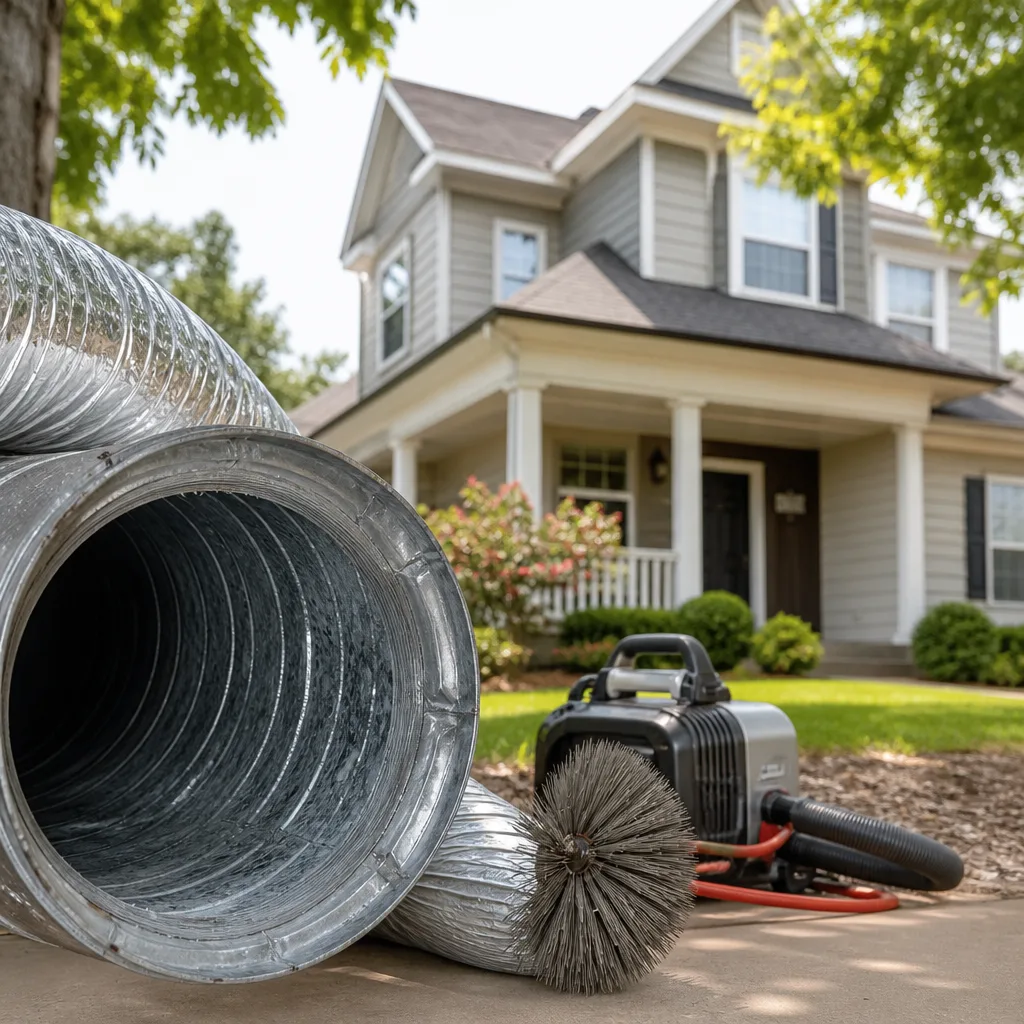
 Whole-home duct cleaning
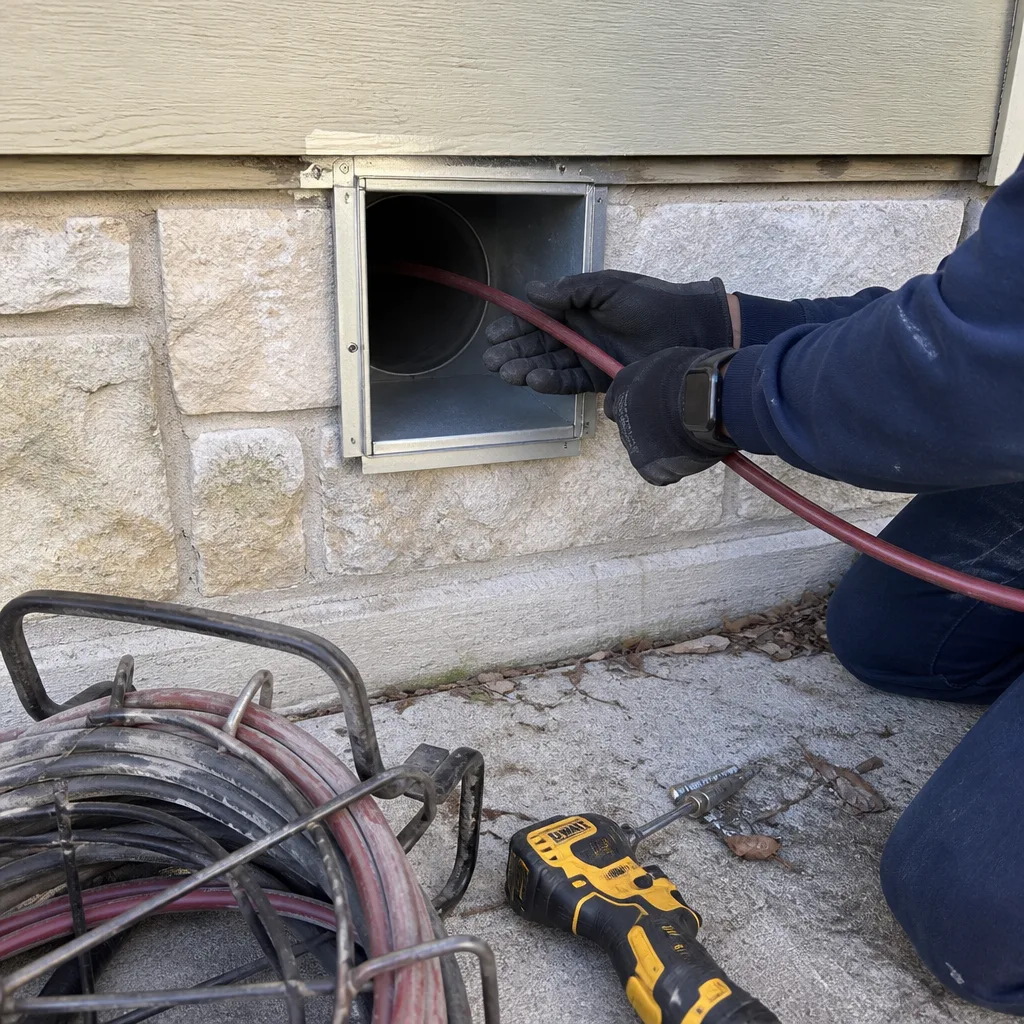
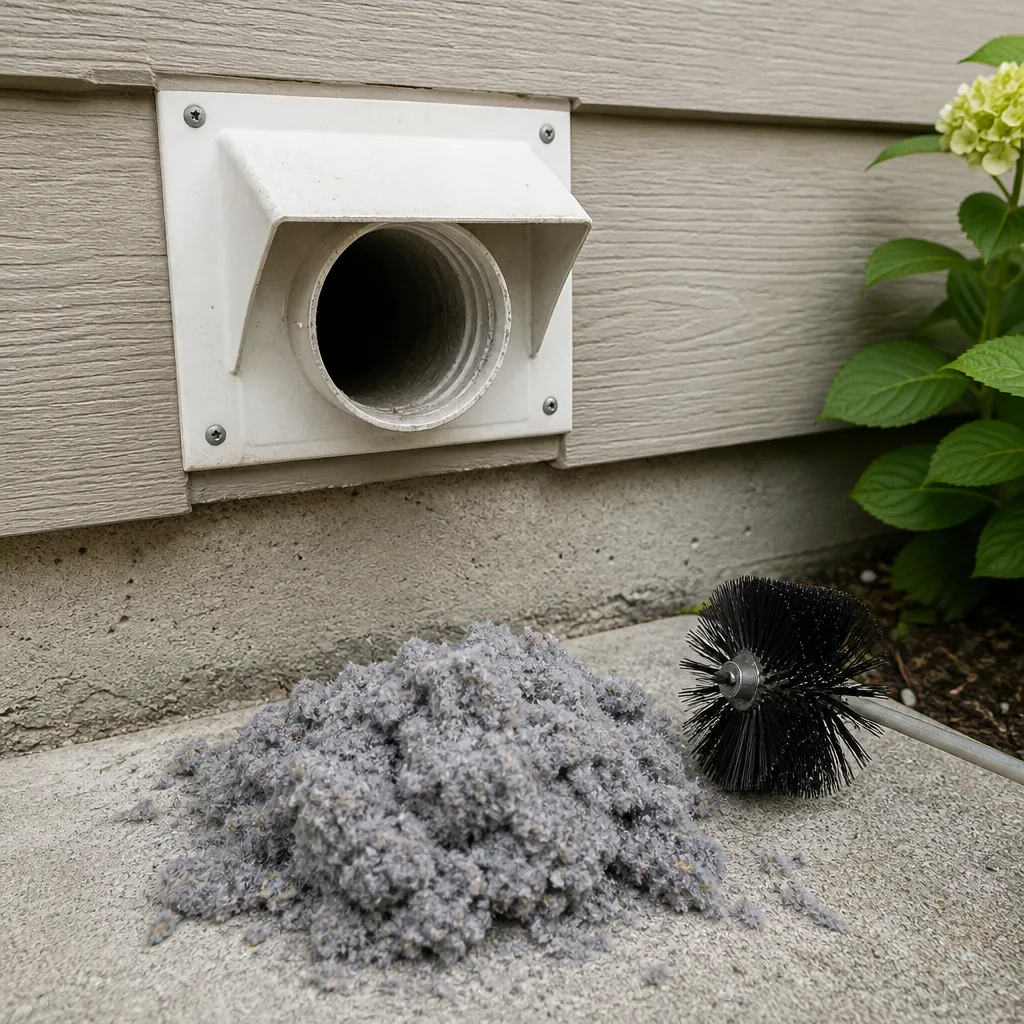 Dryer vent cleaning
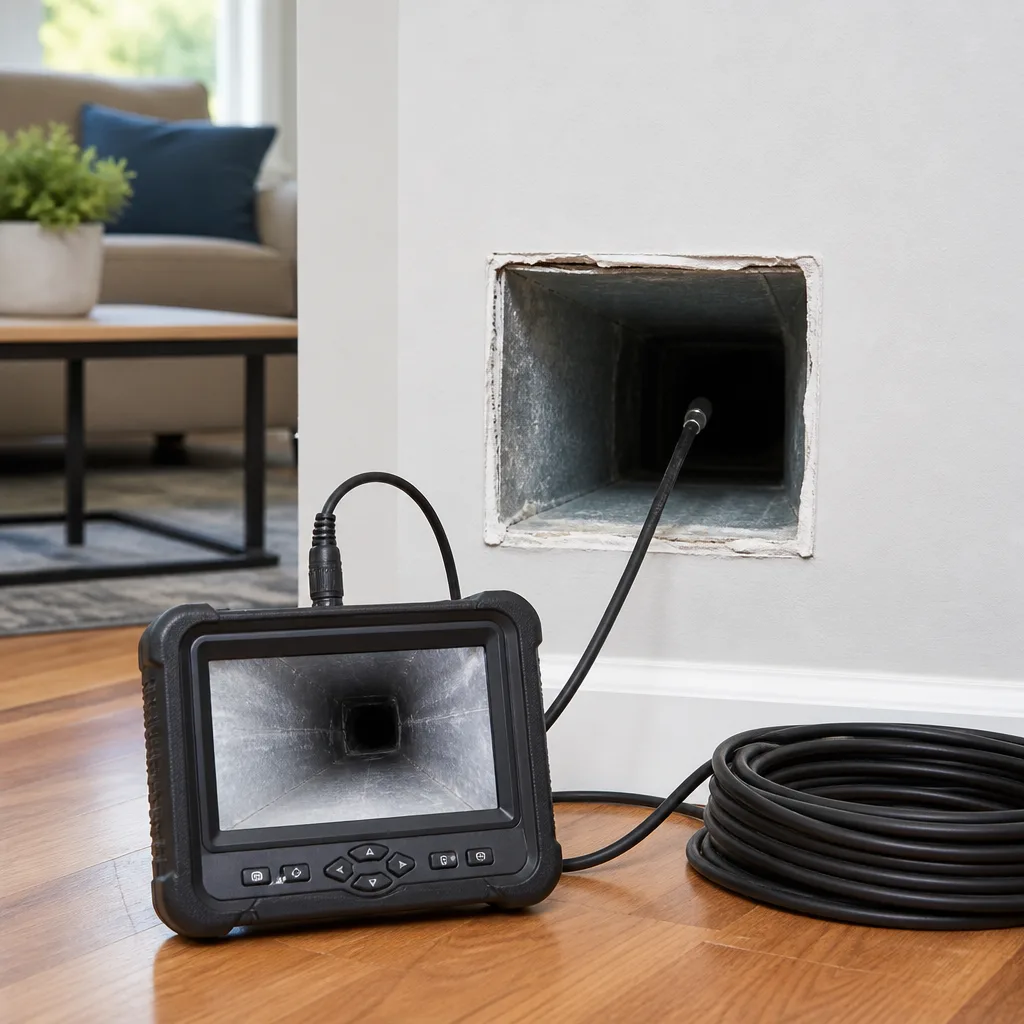 Camera inspection
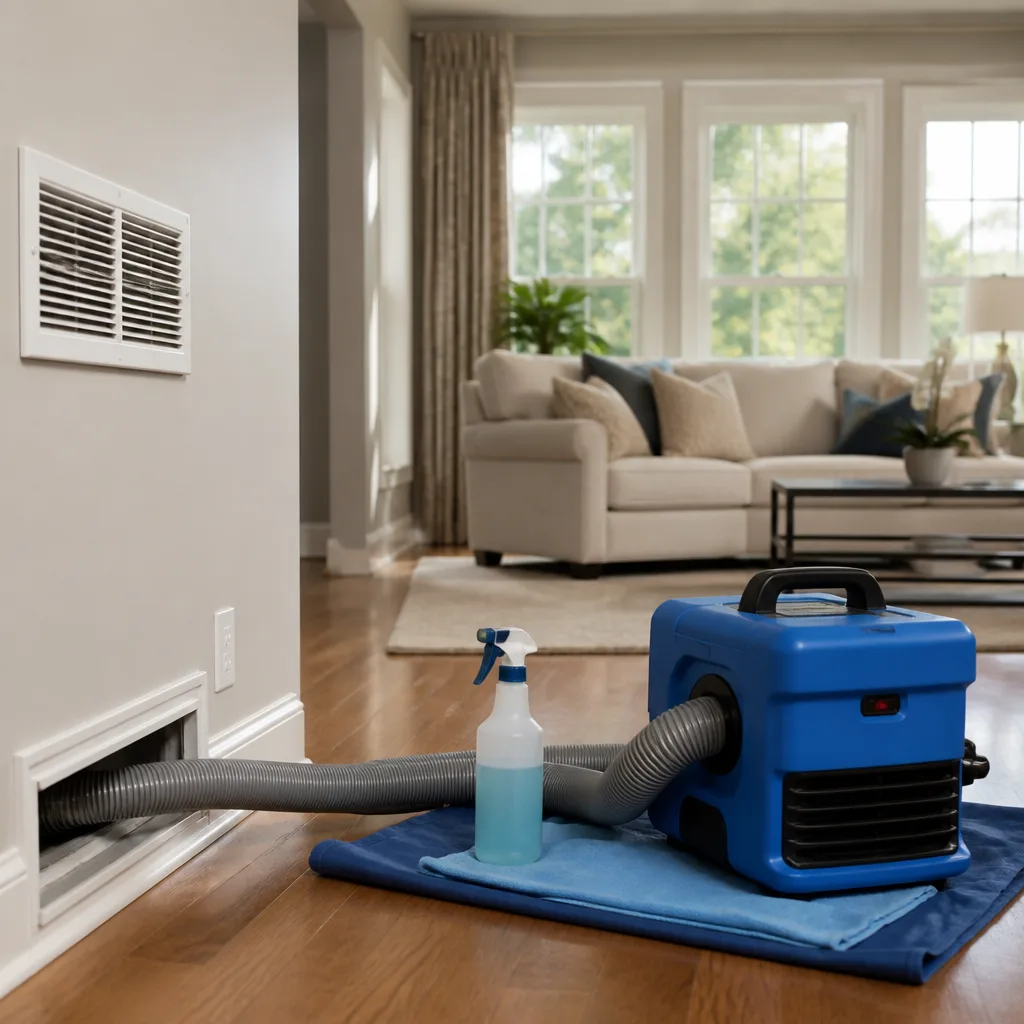 Sanitizing & deodorizing
Whole-system duct and dryer vent check with before-and-after photos - you see exactly what came out of your vents
That "$99 whole-house special" is a bait ad - the real number appears once they are in your hallway, or the "clean" is a shop-vac at the register. We photograph the inside of your ducts before and after instead.
Honeywell Register & Grille Cleaning: The Dallas Owner’s Guide
Register and grille cleaning for Honeywell systems in Dallas typically runs $120 – $260 when done as part of a full duct cleaning, and we do it same-visit when we’re already in the home for the ductwork. Most homeowners discover their registers need attention when they notice dust streaking on the ceiling around the vent, or when a room stops getting the airflow it used to get. It’s the kind of problem that builds slowly. You don’t notice the registers until they’re coated in a gray film, and by then the buildup is usually working its way back into the ducts.
Honeywell registers and grilles are well-made, but Dallas has a way of punishing anything attached to an HVAC system. Our summers push air conditioners hard for months at a time. That means more air moving through the registers, more dust getting pulled in, and more pet hair and construction debris collecting on the grille fins. We see Honeywell units in homes all over Dallas, from the older ranch-style houses in Lake Highlands to newer builds in Frisco, and the pattern is the same: the register faces clog first, then the buildup spreads past the opening into the duct run itself.
Linden Air Duct Dallas is an independent service provider, not affiliated with Honeywell. We work on Honeywell equipment because it’s common in Dallas homes and we know how it behaves here.
Which Honeywell Models This Applies To
Honeywell has made registers and grilles under several product lines over the years, and most of them turn up in Dallas houses eventually. The most common ones we clean in the field are the standard stamped-steel ceiling registers, the aluminum adjustable-blade sidewall registers, and the heavier return-air grilles with fixed louvers. None of them use proprietary tooling. That matters because it means cleaning and replacement do not require special Honeywell-only parts or adapters.
The practical detail that trips people up is sizing. Honeywell registers are sized by the duct opening, not the overall face plate. A register labeled 4×10 fits a 4-inch by 10-inch duct opening, but the face plate measures larger once the border is included. If you measure the face and order a replacement based on that number, you will buy the wrong size. We carry the common Dallas sizes on the truck: 4×10, 6×10, 4×12, 6×12, and a few larger return grille sizes. If a register is too far gone to clean, we can match it on-site.
OEM Honeywell registers are good quality steel, usually powder-coated white or off-white. Aftermarket equivalents in the same gauge steel clean up just as well and cost less, which only matters if you are replacing rather than cleaning. For most customers, cleaning the existing Honeywell registers is the better call, because the original finish still matches the rest of the house.
Styles & brands we work with
Signs Your Honeywell Register & Grille Cleaning Is Failing
Here is what actually shows up in Dallas homes when registers have gone too long without cleaning:
- Gray or brown film on the fins. This is the most common sign. It is a mix of household dust, cooking residue, and the fine clay dust that blows in during dry Dallas stretches. The film is sticky enough that wiping with a damp cloth only smears it.
- Dust streaking on the ceiling or wall around the register. The register is no longer directing air cleanly, and the air is spilling sideways across nearby surfaces. That leaves visible streaking that returns within days of dusting.
- One room staying noticeably warmer or colder than the rest. Restricted airflow through a clogged register forces the system to work harder to push air into that room. You feel the imbalance before you can see anything wrong with the register itself.
- Whistling or rushing sound from the vent. When the fins are partially blocked, air velocity through the remaining openings goes up. That higher velocity creates noise, and it is a clue the register is doing work the duct should be doing.
- Visible debris hanging from the grille or sitting inside the opening. Pet hair, lint, and even insect casings collect on the back side of the grille. If you can see it from the living room floor, it is well past time.
See the difference
 Before
 After
After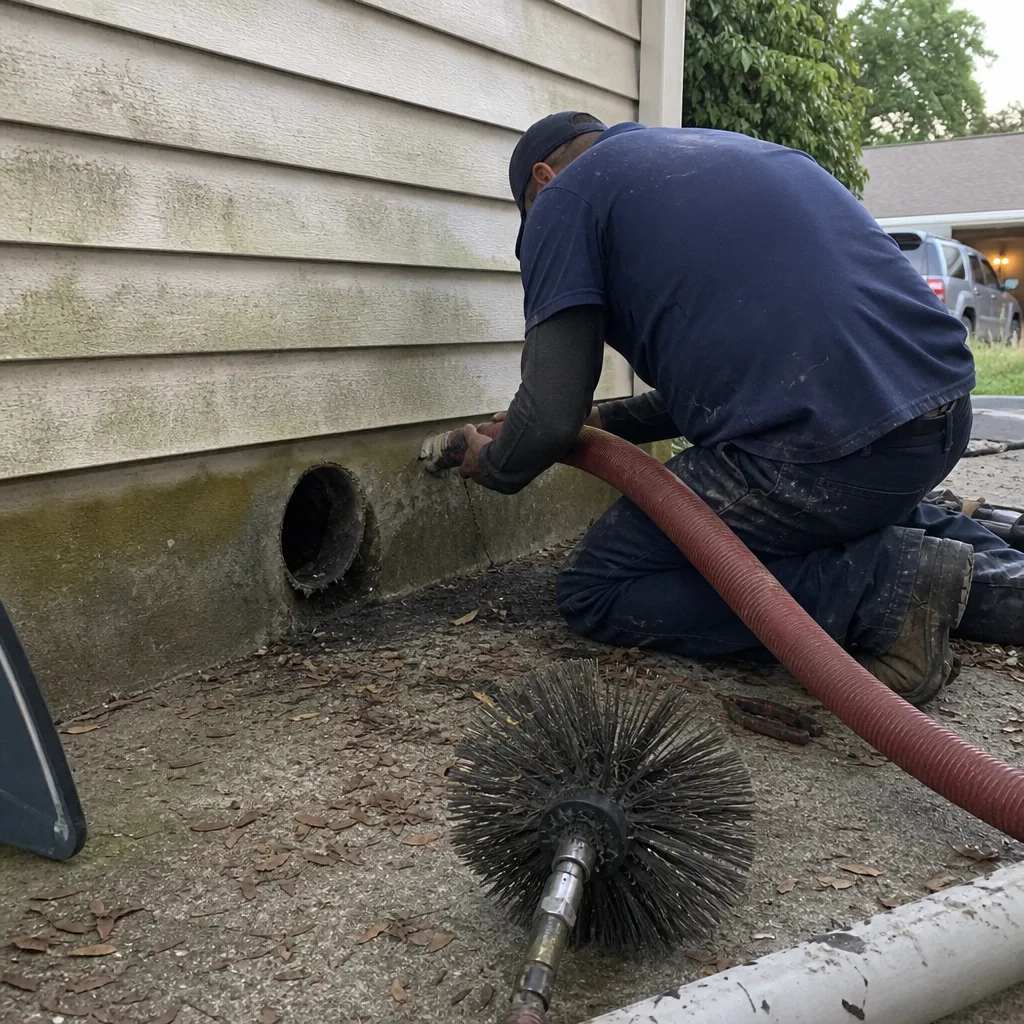 Before
 After
After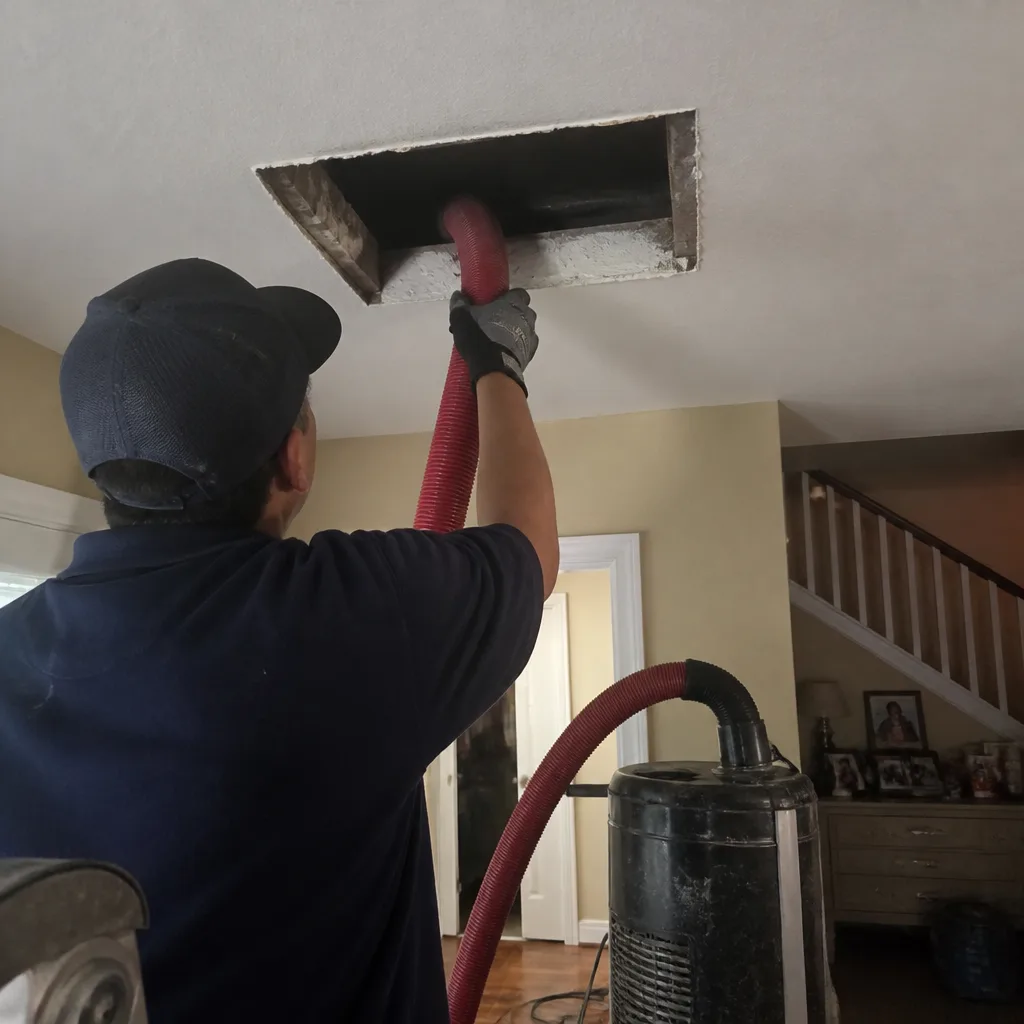 Before
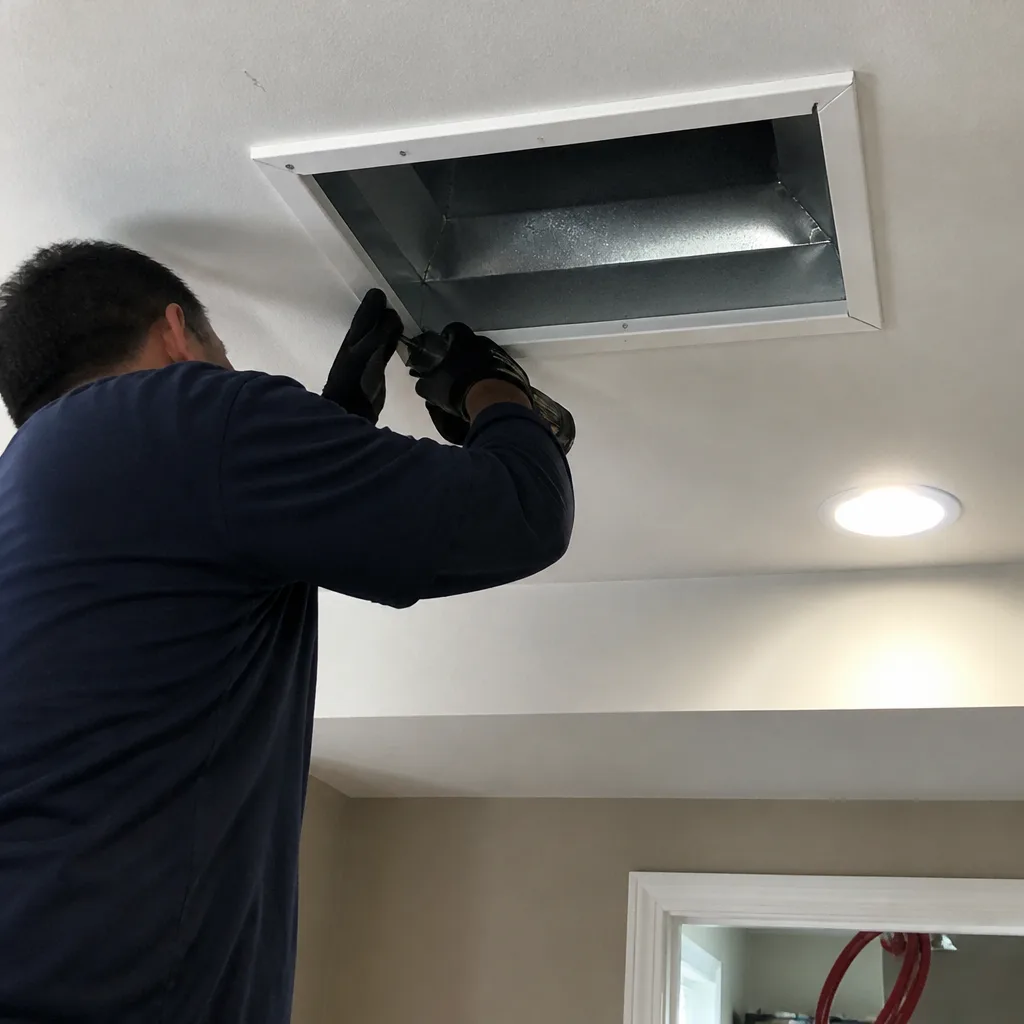 After
AfterReplacement Cost & What’s Included
Full Honeywell register and grille cleaning in Dallas runs $120 – $260 when done as part of a whole-system duct cleaning. That range covers the cleaning of every register and return grille in the home, not a per-vent price that changes once we arrive. The spread comes down to home size, the number of registers, and how badly the buildup has baked onto the metal. A 1,500-square-foot ranch with eight registers sits near the low end. A two-story with twice that many registers and decades of buildup sits near the top.
If a register is beyond cleaning, which happens when the fins are bent or rust has set in, a replacement register runs $15 – $40 for a standard Honeywell-compatible stamped steel unit in a common size. Larger return grilles cost more, up to $75 for wide fixed-louver models.
Linden Air Duct Dallas puts the full price in writing before any work begins. No per-vent games, no surprise invoice when the job is done. The cleaning itself is covered by the 365-Day Done Right Promise: if the registers are not clean enough, we make it right, in writing, on every job.
DIY or Call Us?
If you want to know whether your registers need attention, take one down and look at the back side. Most Honeywell registers pop out with two spring clips or unscrew from the ceiling with four screws. When it is down, run a finger across the fins. If you pick up a thick, greasy film, the registers need more than a damp cloth.
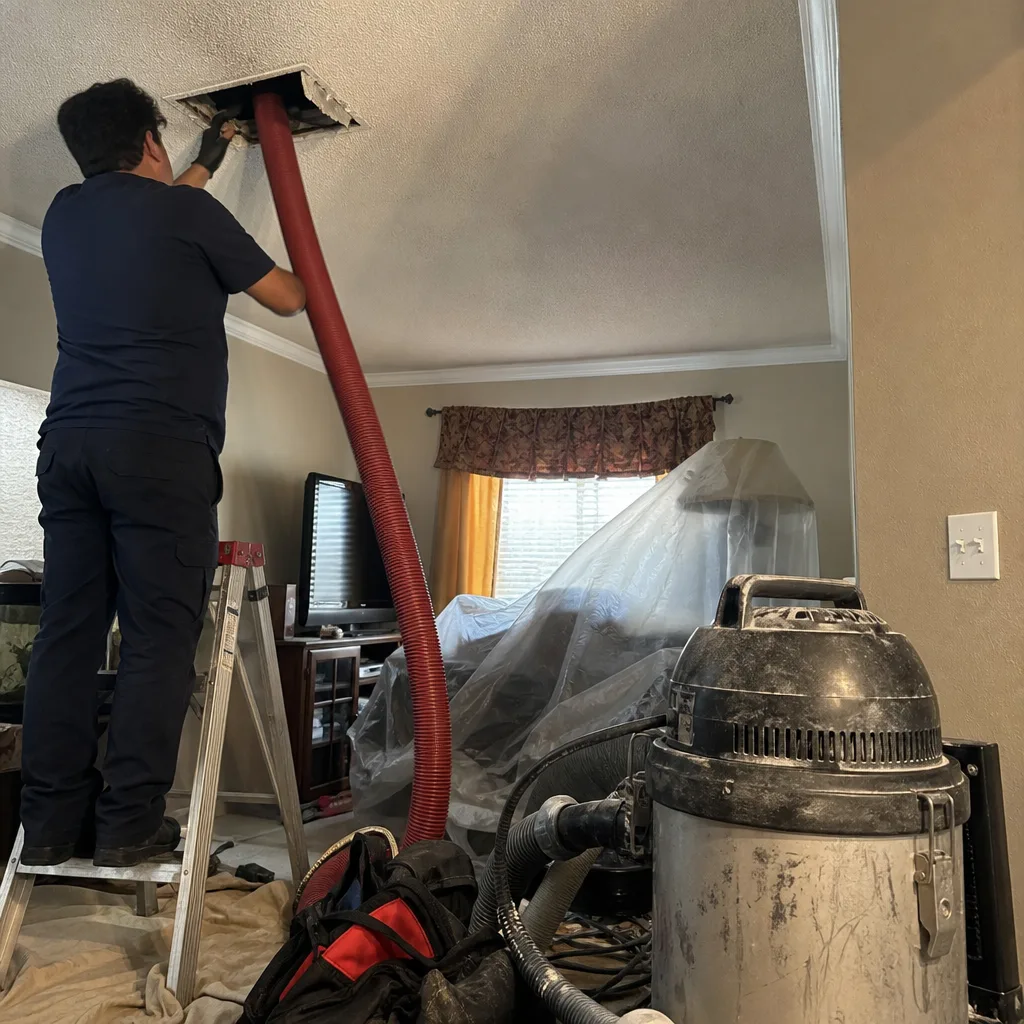
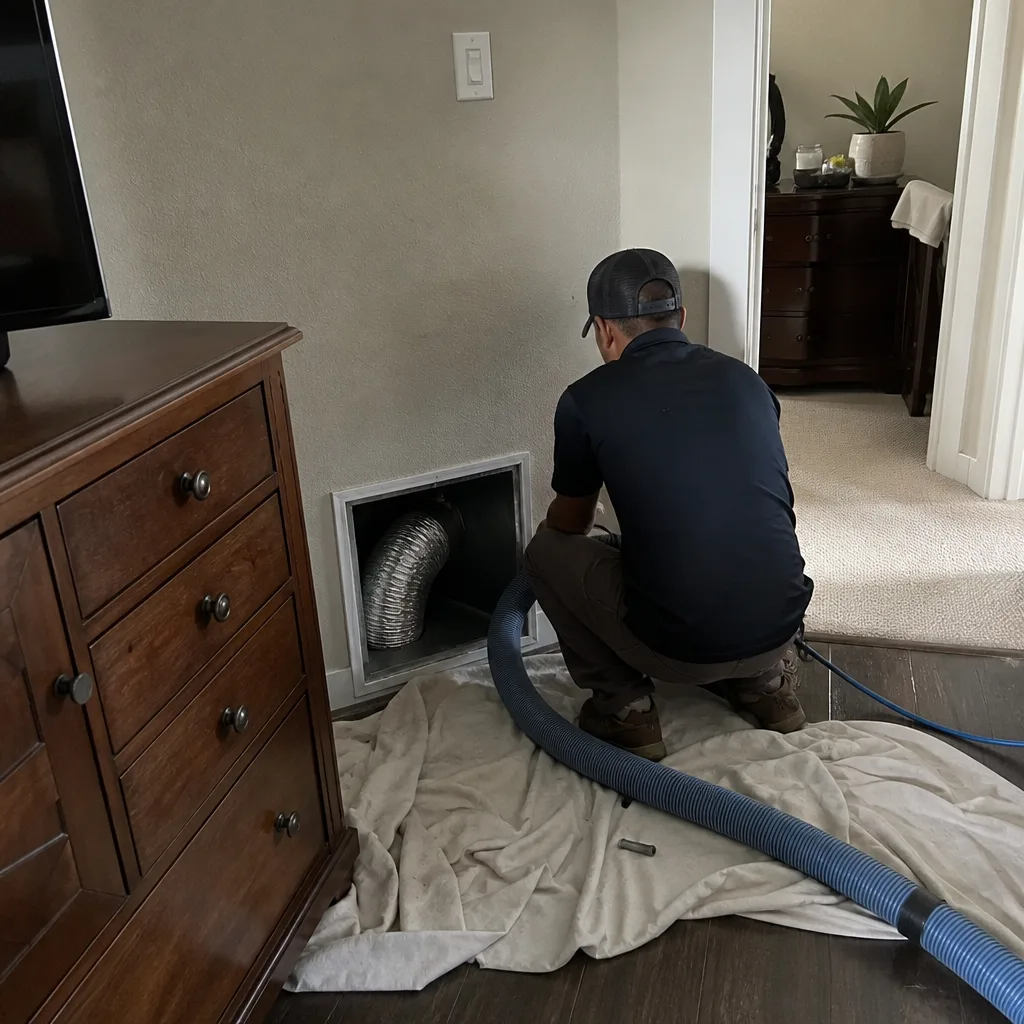
What you can safely do is wipe down the face of the register while it is off. What you cannot do from a stepladder is clean the duct branch behind the register, and that is where the real problem lives. The first few feet of the branch duct are usually where the buildup is thickest. Cleaning that properly requires negative-pressure extraction, which is exactly what it sounds like: pulling the debris out through the register opening under vacuum rather than pushing it deeper into the system with a brush. We bring the professional equipment and do it without turning your living room into a dust cloud.
If you try to scrub the internals of a register with household cleaners, you are also risking damage to the finish. Honeywell powder-coating holds up to mild soap and water, but harsh degreasers will dull it. If you would rather not climb a ladder and fight a spring clip, call us at (361) 309-3153. The estimate is free, and the price goes in writing before we touch anything.
FAQs
Every 2 to 5 years for most Dallas homes, depending on pets, nearby construction, and how often the system runs. Homes with shedding pets or new developments kicking up dust nearby should lean toward the 2-year mark. Homes with no pets, good filtration, and newer sealed ductwork can go 4 to 5 years. The register is your early warning sign: if the fins look coated, you have already waited long enough. Call (361) 309-3153 and we will give you an honest read on whether a full cleaning is worth it yet.
Usually yes, when the problem is buildup. Cleaning restores airflow and appearance in most cases. Replacement only becomes necessary when the fins are bent beyond straightening, the finish has corroded, or the mounting clips have snapped off. We will tell you which camp yours falls in before any work is done, and the price will not change after you say yes.
For a typical Dallas home, plan on 2 to 4 hours for a full cleaning, register by register, including the return grilles. Larger homes with more vents take longer. We do not rush it, because the goal is getting the buildup out of the duct branch behind the register, not just wiping the face plate and calling it done.
We carry common Honeywell-compatible sizes in white, off-white, and brown on the truck in Dallas. That covers most replacement situations on the spot. Specialty sizes or finishes can usually be sourced within a few days. If yours is a common size, you are not waiting on a second visit. Call (361) 309-3153 and we will tell you over the phone whether yours is standard or special-order.
Written by Marcus Veale, Owner, Linden Air Duct Dallas at Linden Air Duct Dallas, serving Dallas and nearby areas.