
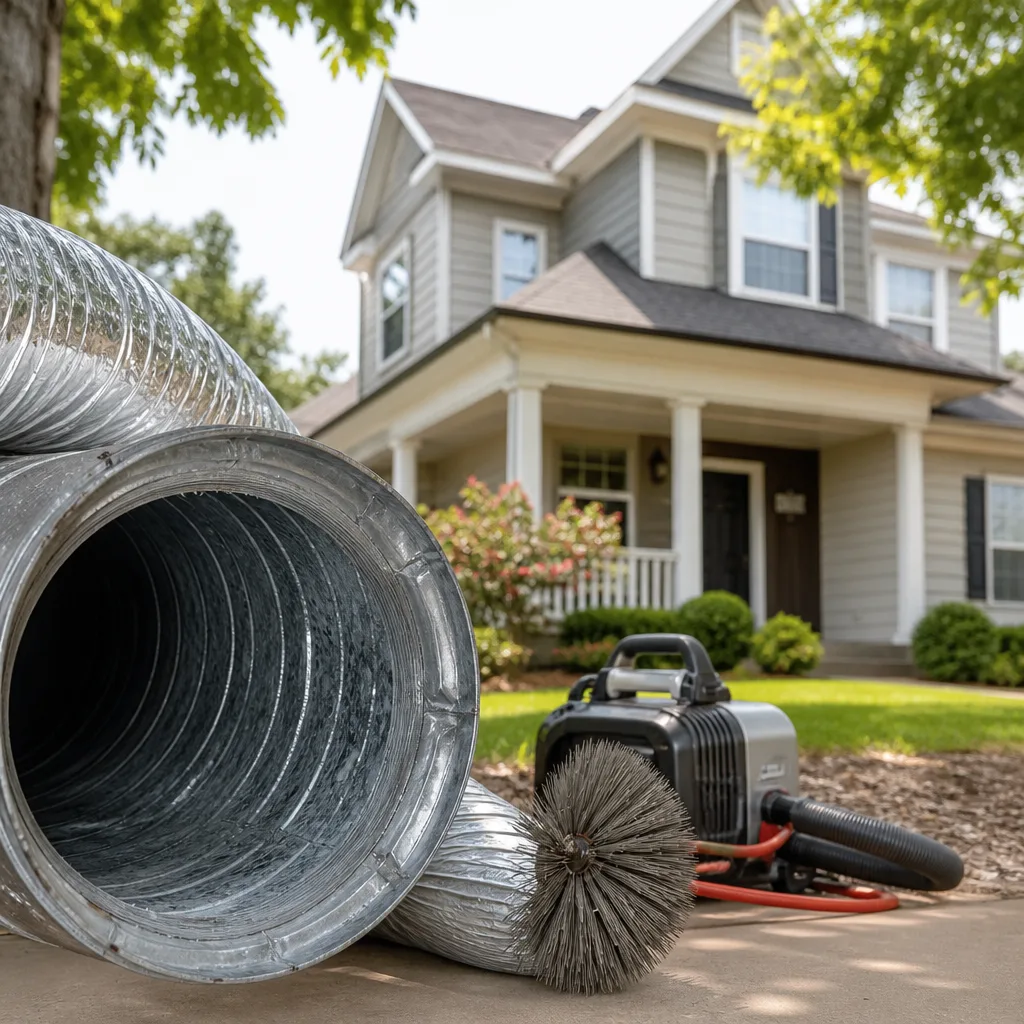
 Whole-home duct cleaning
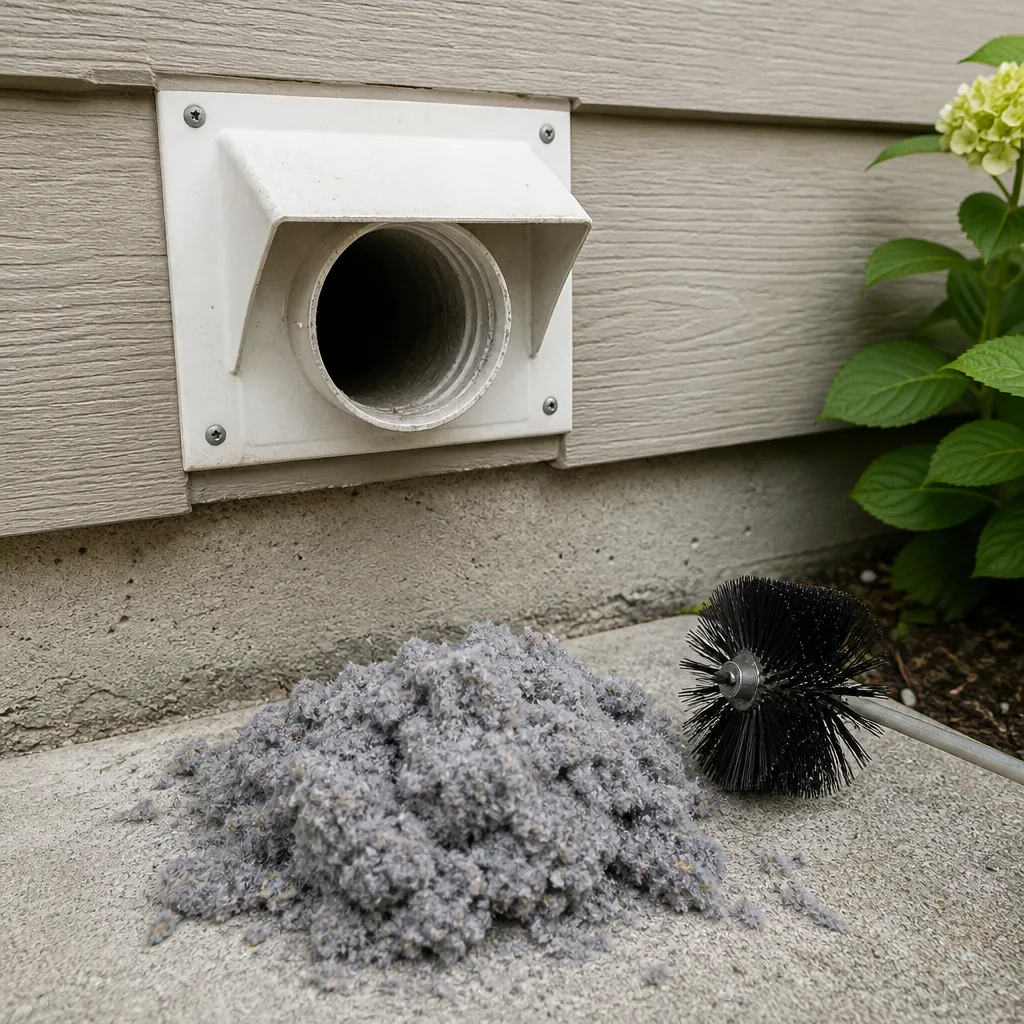 Dryer vent cleaning
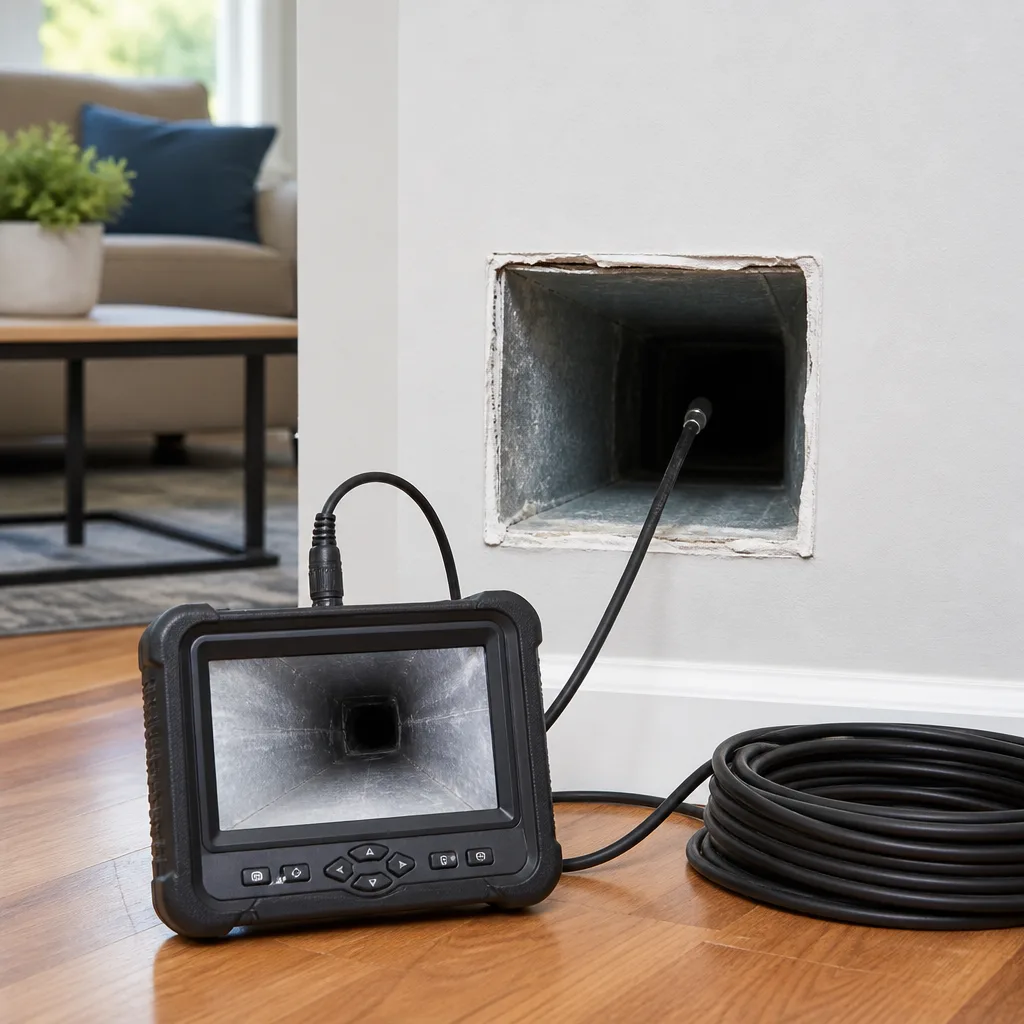 Camera inspection
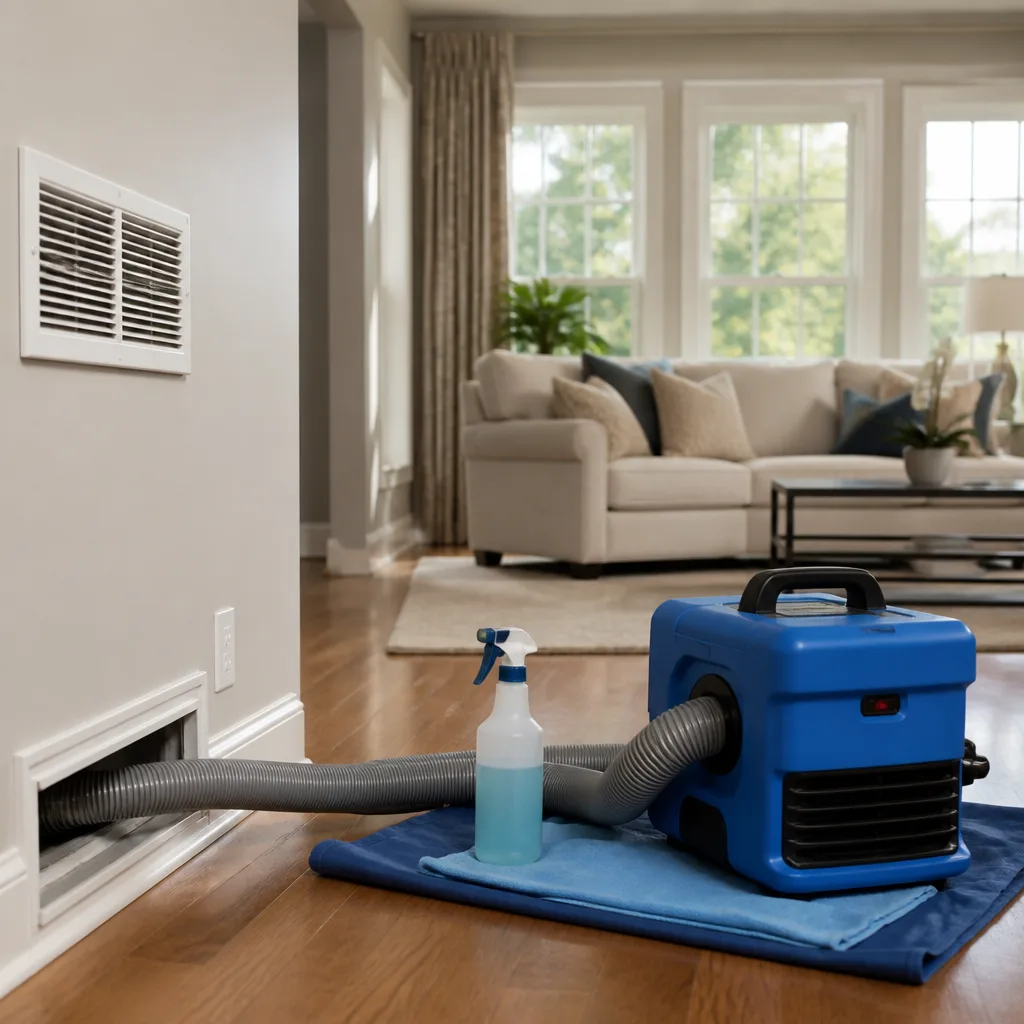 Sanitizing & deodorizing
Whole-system duct and dryer vent check with before-and-after photos - you see exactly what came out of your vents
That "$99 whole-house special" is a bait ad - the real number appears once they are in your hallway, or the "clean" is a shop-vac at the register. We photograph the inside of your ducts before and after instead.
Honeywell Duct Sealing & Repair: The Dallas Owner’s Guide
Honeywell duct sealing and repair in Dallas typically runs between $220 and $480 for most homes, depending on how much of the ductwork needs attention and how old the system is. We stock Honeywell-compatible sealing materials, mastic, foil tape, and replacement duct sections on our trucks, so most jobs are completed in a single visit. What usually brings Dallas homeowners to this page is a room that won’t cool right, a utility bill that keeps climbing, or dust settling on furniture within days of cleaning. If you’ve got a Honeywell zone damper, bypass, or flex duct run that isn’t holding air anymore, this page will tell you exactly what you’re dealing with and what it costs to fix.
Before we get into specifics: we are an independent Dallas air duct company, not affiliated with Honeywell. That said, we’ve worked with Honeywell air-quality components for years, and our crew sees a lot of the same failure patterns across North Dallas, Lake Highlands, Richardson, and the Park Cities. Marcus Veale and our repair techs know these parts well enough to tell you within five minutes whether a section of duct needs sealing, repairing, or replacing.
Which Honeywell Models This Applies To
Honeywell makes a broad line of residential air-quality and zoning components, but the pieces we most often seal or repair in Dallas homes fall into three groups. First, Honeywell zone dampers (the TrueZONE line, including the ARD and ZD series) sit inside rectangular or round duct runs and open or close based on thermostat calls. Second, Honeywell bypass dampers, which relieve excess static pressure when only one zone is calling. Third, the flex duct connections and plenum collars that tie Honeywell electronic air cleaners and media cabinets into the main trunk line.
Here’s the compatibility gotcha we see every week: the size printed on the outside of a Honeywell damper housing isn’t always the duct size it was installed with. In older Dallas ranch-style homes out near Lake Highlands, we regularly find a 10-inch damper jammed into a 12-inch round transition because whoever installed it made the adapter work instead of ordering the right part. Before you order anything, measure the inside diameter of the metal collar, not the outer flange. The model number is on the damper body or on the motor’s wiring label, and the build date is usually in the serial. If the label is gone, we can still identify it by blade shape and motor voltage (24VAC is standard).
For OEM versus aftermarket: Honeywell damper motors and seals are reliable, but we often reach for an equivalent aftermarket motor when the Honeywell original is backordered, because availability beats brand loyalty when your upstairs is 82 degrees in August. The seals themselves are plain closed-cell foam, and the brand matters far less than the thickness and compression resistance. For the sealing itself, any UL 181-rated mastic or foil tape does the job on metal-to-metal joints; flex duct connections need a mastic bed, not tape, to hold in Texas attic heat.
Styles & brands we work with
Signs Your Honeywell Duct Sealing & Repair Is Failing
Duct leaks are rarely visible from the living room, but the symptoms are consistent. If any of these sound familiar, the problem is probably air leaving the system before it reaches a vent:
- Rooms that never reach the set temperature. A damper stuck half-open or a blown-out duct collar means conditioned air dumps into the attic instead of the bedroom. In a Dallas August, a 15% duct leak can add $60 to $90 a month to your electric bill.
- Dust accumulating within days of cleaning. Air being pulled through an unsealed return chase in an older home picks up attic insulation and blows it into the living space. The dust isn’t coming from outside; it’s coming from your own attic.
- A whistling or hissing sound near vents when the system runs. Air escaping through a small puncture in flex duct or a loose takeoff collar makes noise under pressure. The louder it is, the bigger the leak.
- Zones that heat or cool when they shouldn’t. A Honeywell TrueZONE damper that won’t fully close because its seal has degraded lets conditioned air bleed into zones that aren’t calling. You’ll feel warm air in the downstairs guest room when only the upstairs zone is on.
- Condensation or water stains around duct joints. When cold supply air leaks into a hot, humid Dallas attic, the temperature difference causes sweating at the leak point. Over time that rots decking and invites mold into the insulation.
See the difference
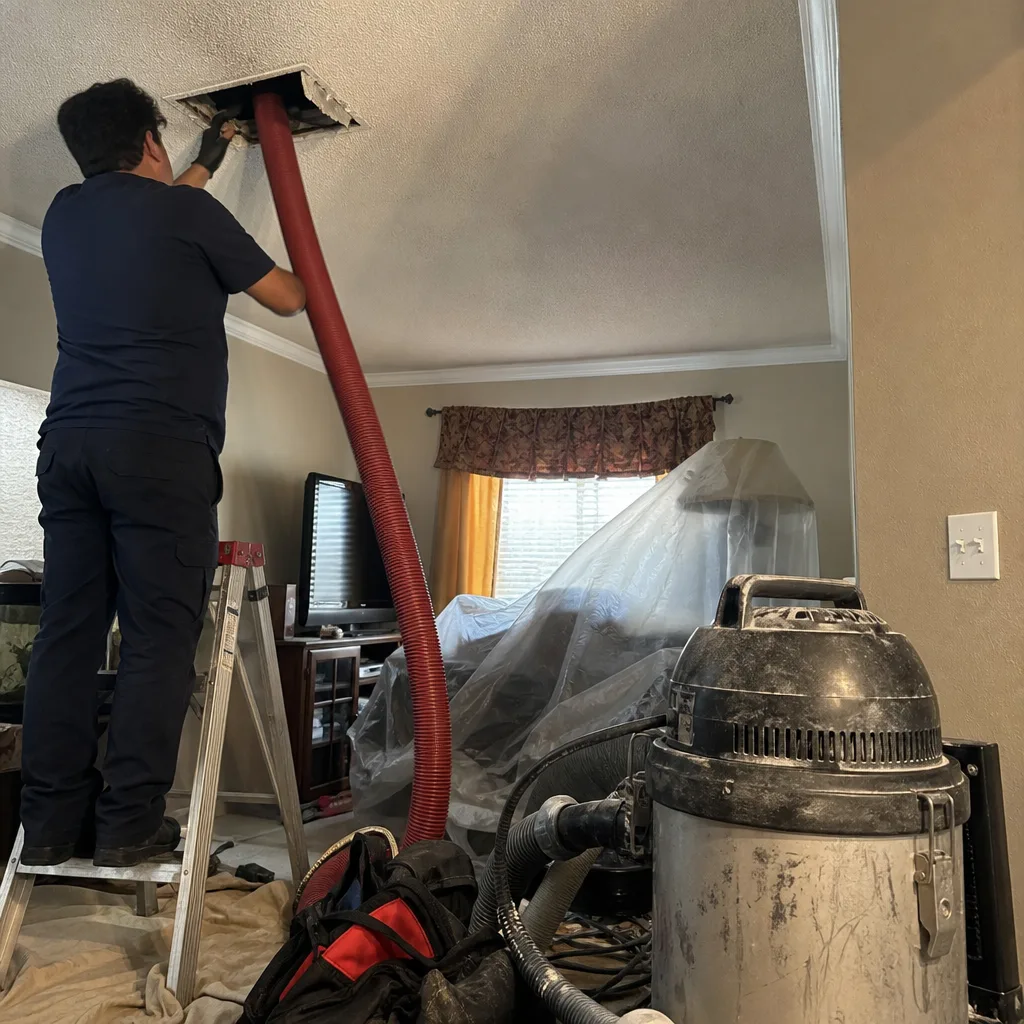 Before
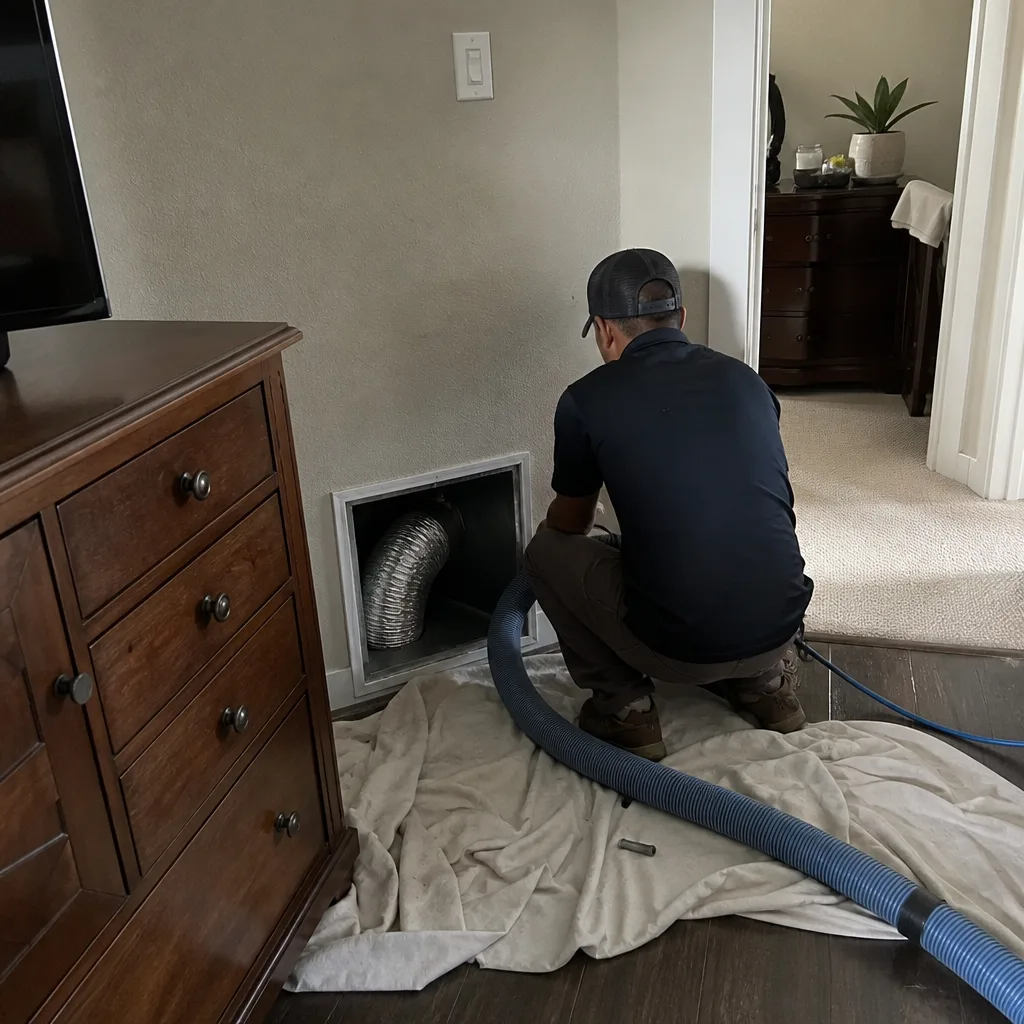 After
After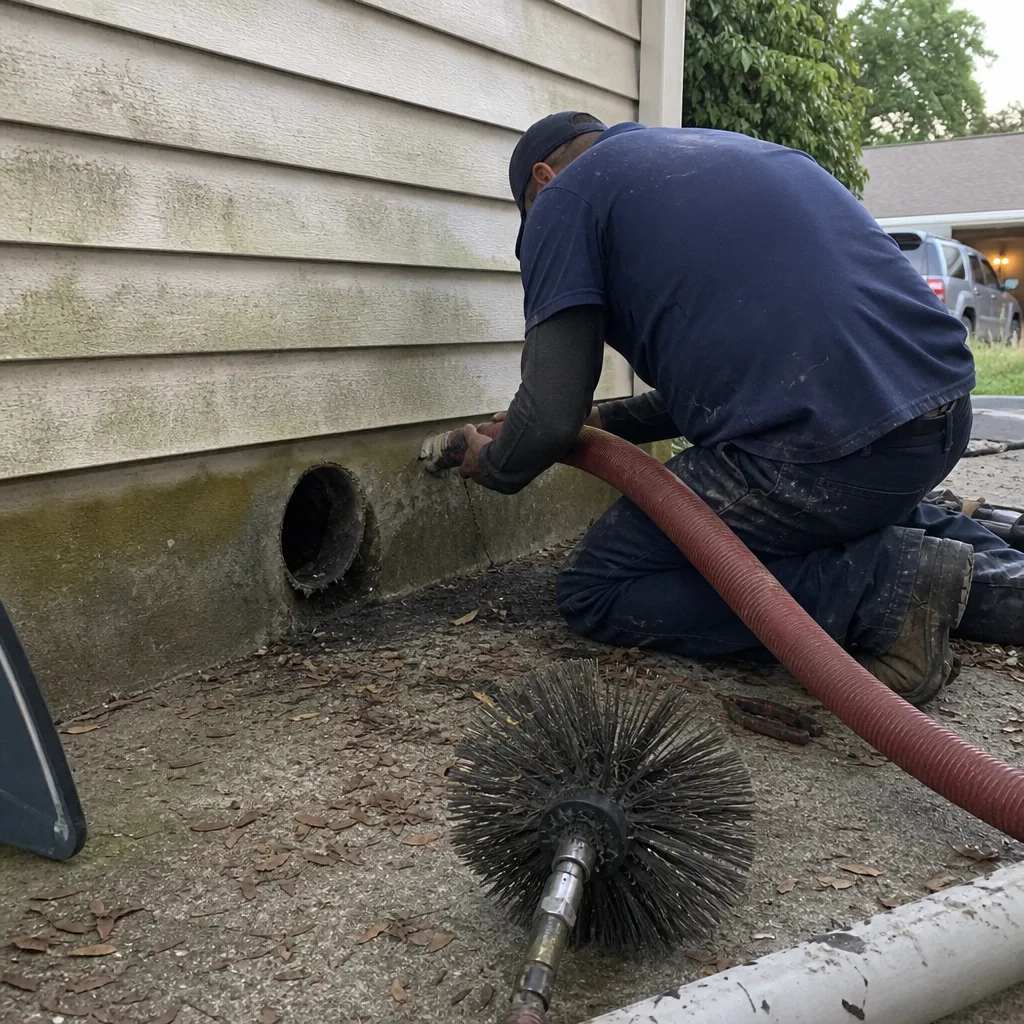 Before
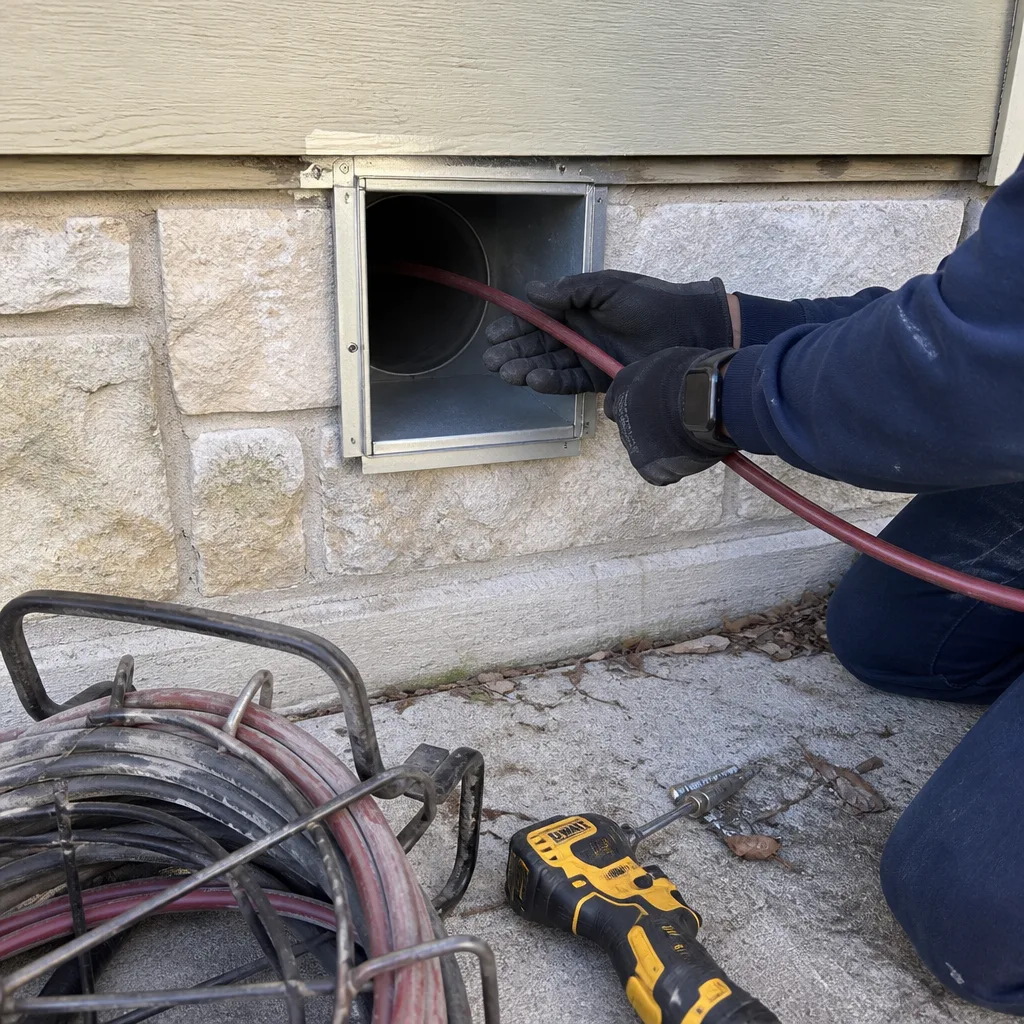 After
After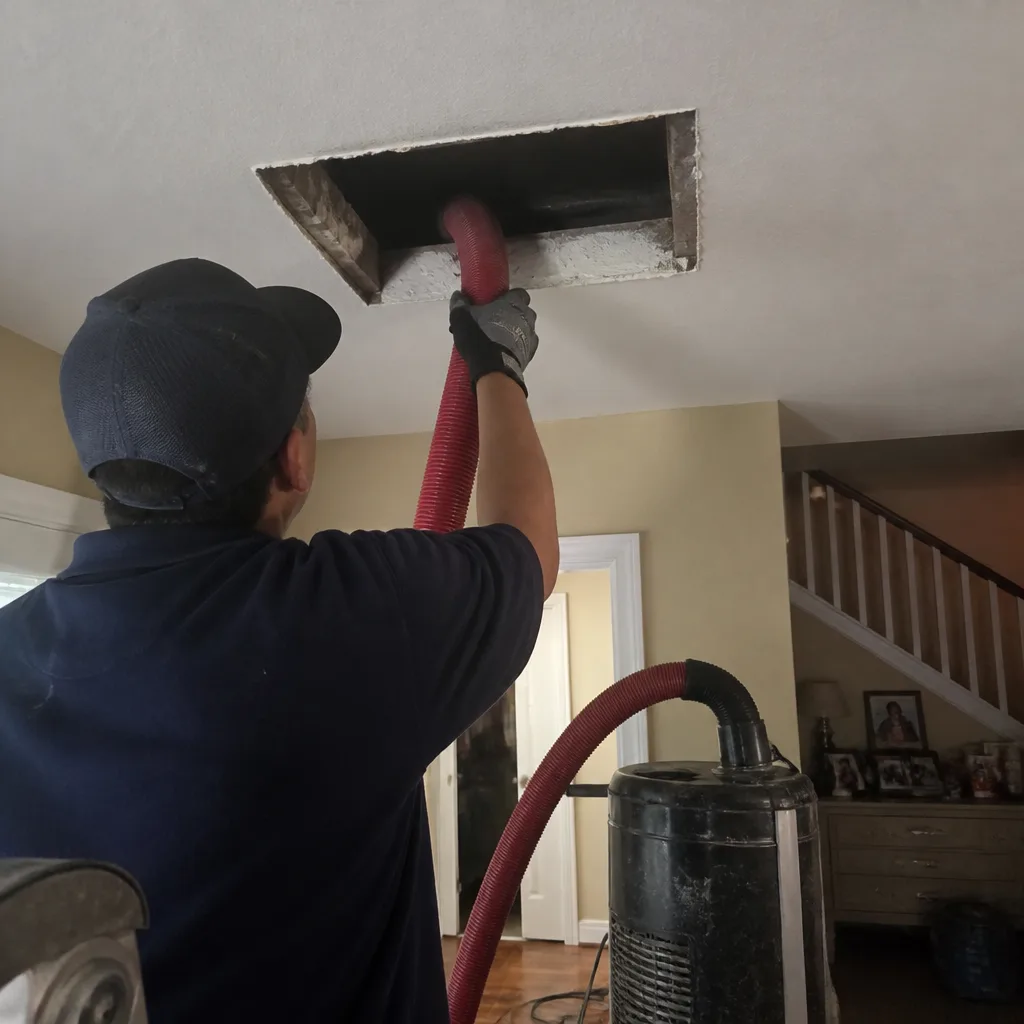 Before
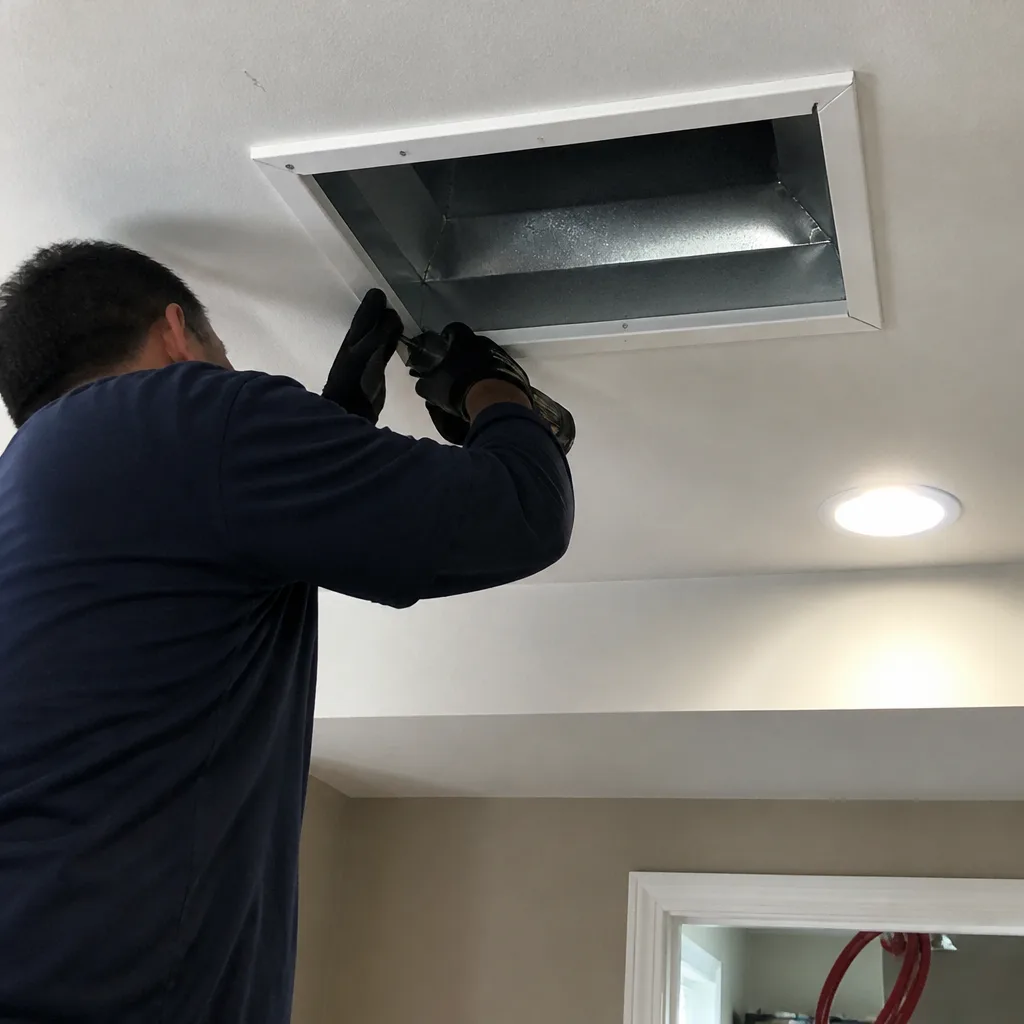 After
AfterReplacement Cost & What’s Included
For most Dallas-area homes, Honeywell duct sealing and repair lands between $220 and $480 depending on the scope. Here’s the honest breakdown, because our entire business exists to answer the question most contractors won’t:
- Sealing a single leaking joint or takeoff collar: $60 to $120, including mastic and cleanup.
- Sealing and re-insulating a 10- to 15-foot flex duct run: $180 to $320, depending on accessibility in the attic.
- Replacing a failed TrueZONE damper motor or seal: $140 to $260 installed, part included.
- Resealing the plenum-to-trunk connection and all accessible takeoffs: $350 to $680 for a typical 2,000-square-foot Dallas home.
What drives the range is attic access. If a technician can stand up and move around, the job is dramatically faster than a crawl-space attic with 14 inches of blown-in insulation covering the duct runs. Every quote Linden Air Duct Dallas provides includes the part, the labor, the cleanup, and the written price before any work begins. No per-vent add-ons, no surprise line items. Every repair is covered by our 365-Day Done Right Promise: if a covered repair fails within a year, we come back at no charge.
DIY or Call Us?
Fair question. Some sealing work is genuinely within reach for a handy homeowner. You can safely inspect visible duct joints in an accessible attic, and you can see whether a Honeywell damper blade is open or closed by looking through the access window when the system runs. You can seal a reachable sheet-metal joint with UL 181 mastic, as long as the power to the air handler is off and you’re not leaning over a truss gap.
Here’s where DIY goes wrong. Flex duct is forgiving to work with and extremely unforgiving to install incorrectly. A sagging or kinked flex run loses 20 to 40 percent of its airflow, and we’ve followed more than a few Dallas homeowners who tried to re-hang a run themselves and inadvertently crushed the inner liner. Duct sealing also means finding all the leaks, not just the one you saw, which requires a blower door test or at least a pressure-pan check. And anything involving electrical damper motors or zone panel wiring is not a weekend project. If the problem is a Honeywell zone damper that won’t open, that’s a part inside your system’s control path, not a piece of tape. Call us at (361) 309-3153 and we’ll give you an honest diagnosis before any work is scheduled.
FAQs
Properly applied UL 181 mastic on sheet-metal joints typically lasts 10 to 20 years, even in Dallas attic heat. Foam damper seals and flex duct connections degrade faster in a hot Texas attic, often failing within 8 to 12 years simply because of the temperature swings. If the original flex duct was installed with tape only and no mastic, failure in 5 years is common. Call (361) 309-3153 and we’ll inspect your system and tell you what condition your current sealing is actually in.
Yes, in most cases. If the blade and shaft are intact, a worn seal is replaceable in about 20 minutes for $140 to $180 in Dallas. If the motor has failed but the damper body is clean, we can replace the motor and keep the existing housing. Full damper replacement is usually only necessary when the blade has been bent or the housing is warped from heat. We’ll always show you the failed part before we recommend replacement.
Single-joint sealing takes about 45 minutes. Resealing all accessible takeoffs in a typical Dallas single-family home takes 3 to 5 hours from setup to cleanup. If the job includes replacing a Honeywell damper motor, add about 30 minutes. We schedule the work and don’t leave until the system has run a full cycle and the airflow at each register has been checked.
We stock damper motors, seals, mastic, UL 181 foil tape, and replacement flex duct in common Dallas sizes on every truck, along with parts for Lennox, Trane, and Carrier systems. If we identify a Honeywell part that needs to be ordered, we tell you the lead time before we leave your driveway, and we write the estimated cost into your quote that same day. No surprise invoices.
If your ductwork isn’t holding air, don’t wait for the next utility bill to prove it. Call (361) 309-3153 for a free estimate. Our estimator will ask about your system age, your square footage, and what rooms are underperforming, then give you a written price before any work begins. If I wouldn’t leave it in my own system, I’m not leaving it in yours.
Written by Marcus Veale, Owner, Linden Air Duct Dallas at Linden Air Duct Dallas, serving Dallas and nearby areas.