
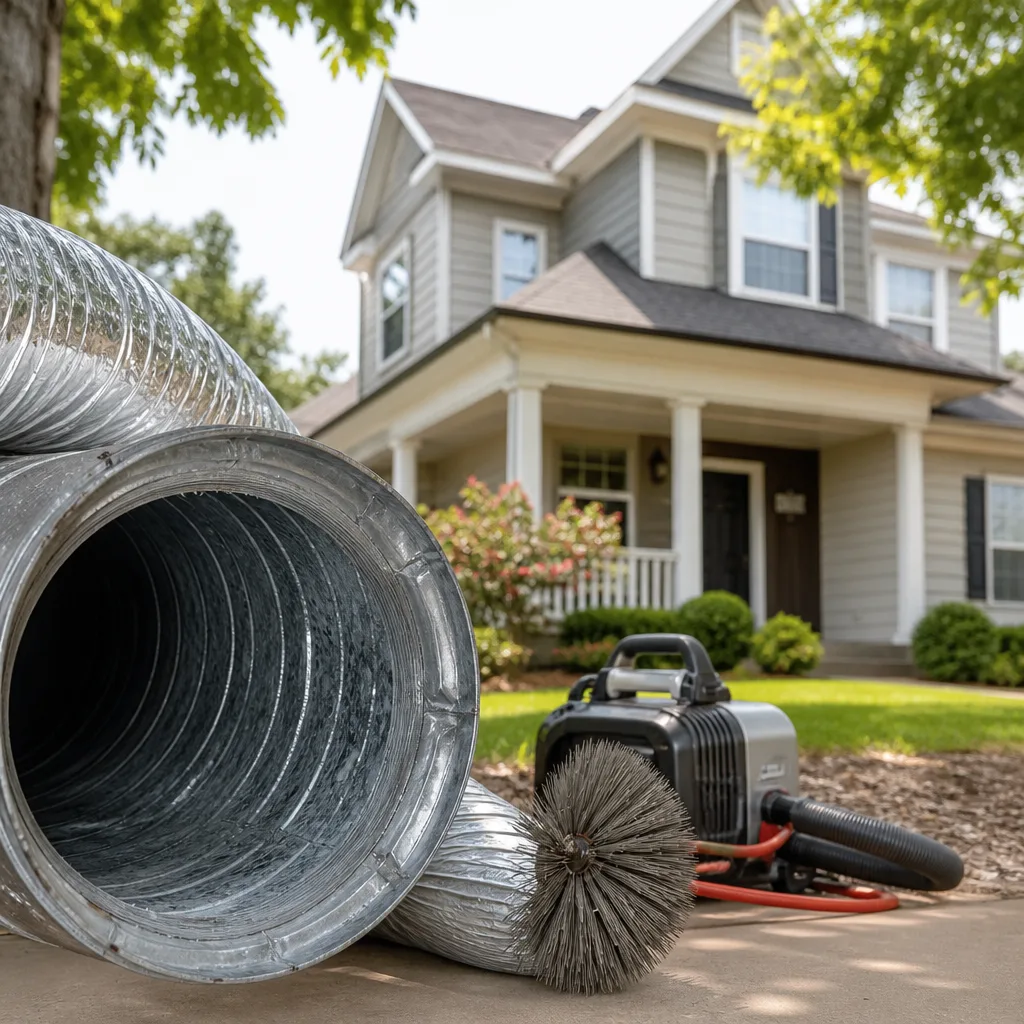
 Whole-home duct cleaning
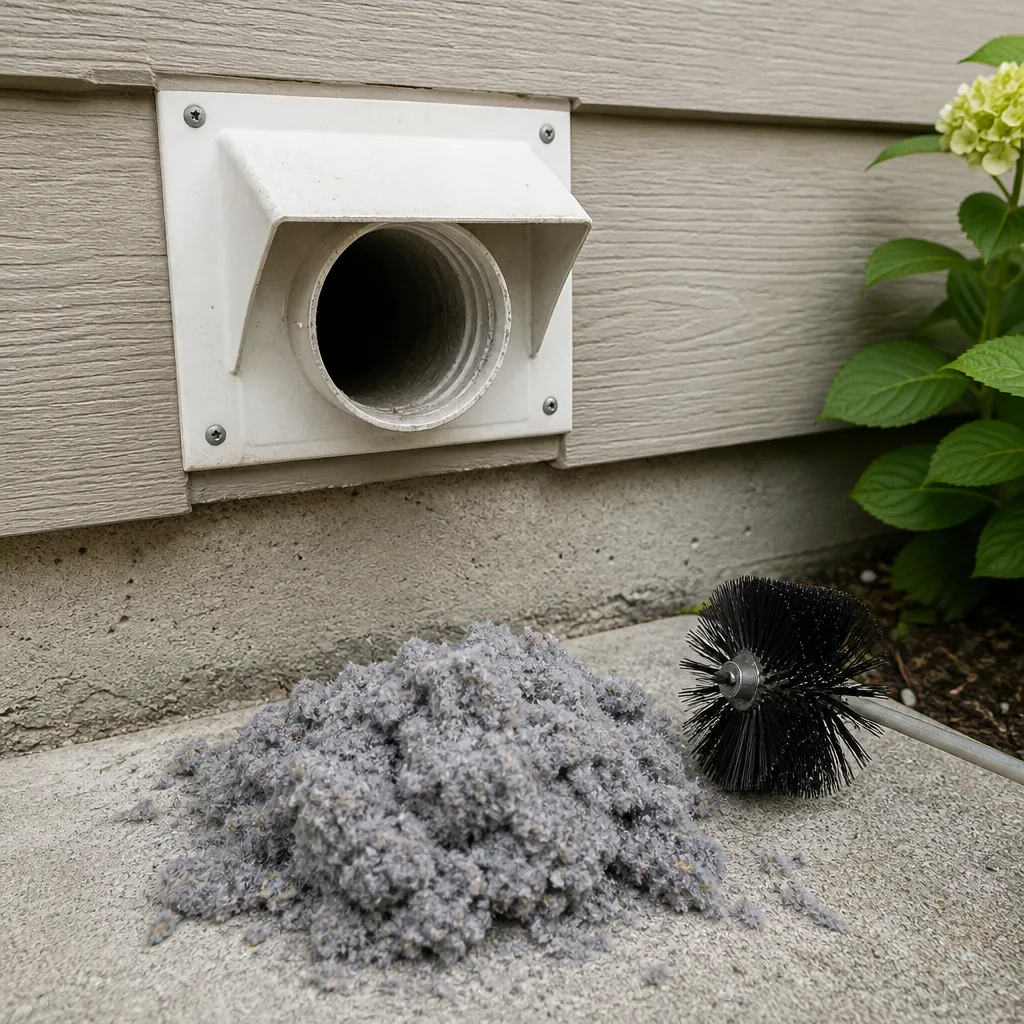 Dryer vent cleaning
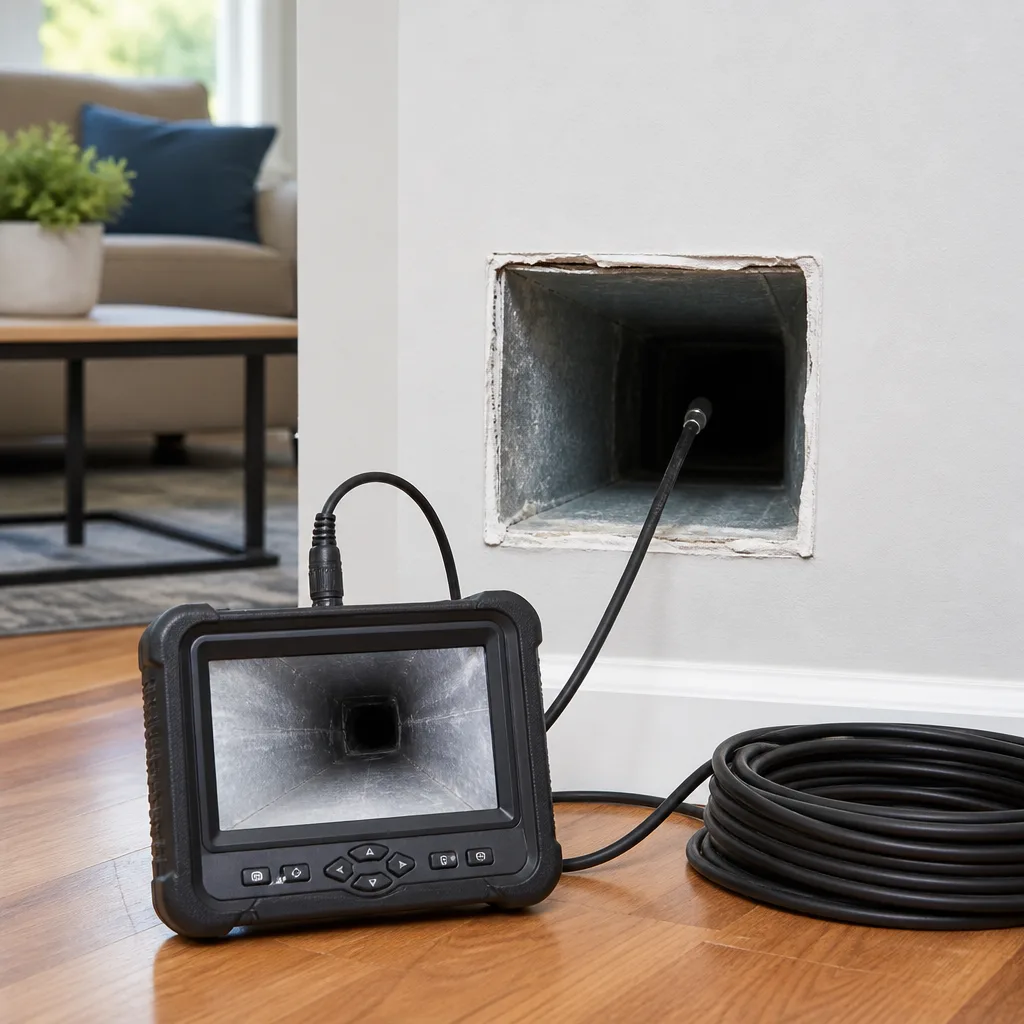 Camera inspection
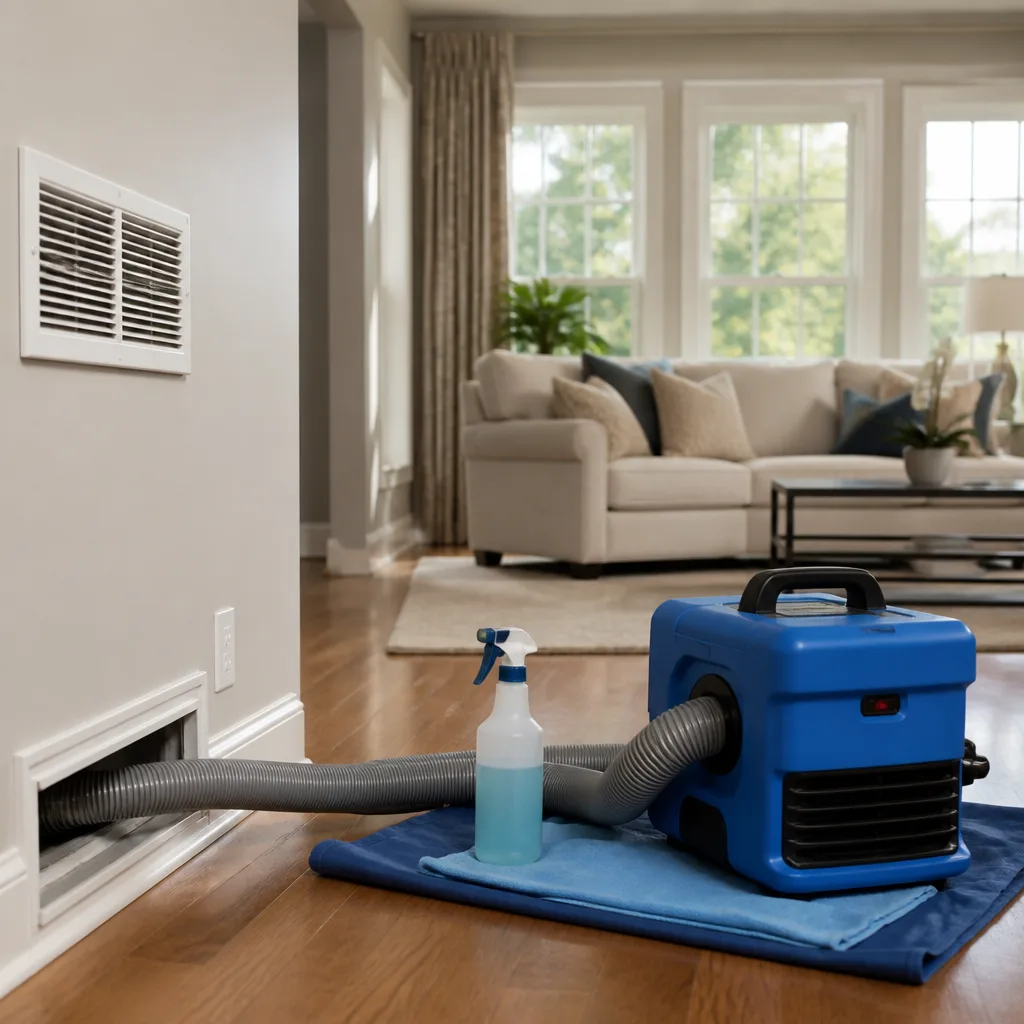 Sanitizing & deodorizing
Whole-system duct and dryer vent check with before-and-after photos - you see exactly what came out of your vents
That "$99 whole-house special" is a bait ad - the real number appears once they are in your hallway, or the "clean" is a shop-vac at the register. We photograph the inside of your ducts before and after instead.
Honeywell Coil Cleaning: The Dallas Owner’s Guide
Most Honeywell air handler and heat pump coils in Dallas homes need professional cleaning every 2 to 3 years, and a typical evaporator coil cleaning runs $180 to $380 depending on access and how badly the coil is fouled. We stock Honeywell-compatible coil cleaners and can usually schedule your cleaning within a few days of your call. The way most Dallas homeowners discover a dirty coil is subtle at first: the system runs longer to hit the same temperature, the air coming out of the vents feels lukewarm instead of cold, and the electric bill creeps up month over month. By the time you notice frost on the copper lines or water pooling under the air handler, the coil has been struggling for a while. That’s the part to pay attention to: a Honeywell coil caked with dust, pet hair, and the fine clay dust that blows through North Texas doesn’t fail suddenly. It chokes slowly, and the symptom picture is always the same: longer run times, warmer air, higher bills.
Which Honeywell Models This Applies To
This covers the evaporator coils paired with Honeywell air handlers and the condenser coils on Honeywell heat pumps and straight-cool condensers, including the older Honeywell Enviracaire and the newer Honeywell Home matched systems. The compatibility gotcha most Dallas homeowners run into is this: Honeywell doesn’t always stamp the coil itself with a model number. The coil’s identity is usually on a data plate attached to the air handler cabinet, not the coil. If that plate is missing or faded, we match by physical measurements: coil height, width, fin spacing, and the refrigerant line size. That matters because a coil that’s listed as a “3-ton Honeywell evaporator” might actually be one of three different physical configurations depending on which air handler cabinet it was installed in.
On the OEM-versus-aftermarket question: for coil cleaning specifically, the chemical and the method matter more than the part label. We use professional-grade, non-acidic coil cleaners that are safe for Honeywell’s aluminum fin construction and won’t etch the copper tubing. Some aftermarket acidic cleaners will get a coil shiny fast but they eat into the aluminum fins over time, shortening the coil’s life by years. That’s a tradeoff we won’t make on your system. We also service coils matched to Lennox, Trane, and Carrier systems, but the cleaning approach for Honeywell coils follows the same rule: match the chemical to the fin material, not the brand sticker.
Styles & brands we work with
Signs Your Honeywell Coil Cleaning Is Failing
Here’s what a fouled Honeywell coil looks and acts like in a Dallas house, symptom by symptom:
- Airflow feels weak or uneven. When the return air can’t pull through the coil because the fins are matted with dust and pet hair, the blower is working against a wall. Rooms at the end of the duct run get noticeably hotter than the rest of the house.
- The system runs almost constantly. A clean coil transfers heat in one pass. A dirty coil insulates itself, so the system has to run 20, 30, 40 minutes longer to satisfy the thermostat. You’ll hear the condenser outside kicking on more often and running longer each cycle.
- Ice forms on the copper lines or the coil itself. Restricted airflow means the refrigerant can’t absorb enough heat, so the coil temperature drops below freezing. In Dallas’s humid summer air, that ice forms fast and the system starts short-cycling or shutting down on a low-pressure safety.
- Water pools under the air handler or drips from the cabinet. A dirty coil doesn’t just block air; it disrupts the condensate path. Water that should slide down the fins and into the drain pan instead freezes, then melts all at once when the system cycles off, overwhelming the pan.
- The air smells musty or sour when the system first kicks on. Dust, skin cells, and moisture trapped on a dirty coil are a breading ground for the kind of biofilm that produces that damp, locker-room smell. Cleaning the coil is what removes the source, not just the smell.
Replacement Cost & What’s Included
Here’s the honest Dallas pricing picture for Honeywell coil cleaning, based on what we see in the field across the metro:
- Standard evaporator coil cleaning: $185 to $290, depending on whether the coil is accessible through a panel or requires pulling the air handler cabinet apart.
- Condenser coil cleaning (Honeywell heat pump or straight-cool outdoor unit): $120 to $220, depending on whether the coil is single-row or double-row and how much cottonwood, grass, and construction dust are packed into the fins.
- Both coils cleaned in the same visit: $280 to $400, and we recommend doing both at the same time whenever the system is 5+ years old. A clean evaporator paired with a dirty condenser just moves the bottleneck.
The price includes a full inspection of both coils, the drain pan and line, the refrigerant static pressure, and the blower wheel. If we find something else wrong, you get a written price for the extra work before we touch it. No surprises at the end. And every coil cleaning we do in Dallas is covered by the 365-Day Done Right Promise: if the work is not right, we come back and make it right, in writing.
See the difference
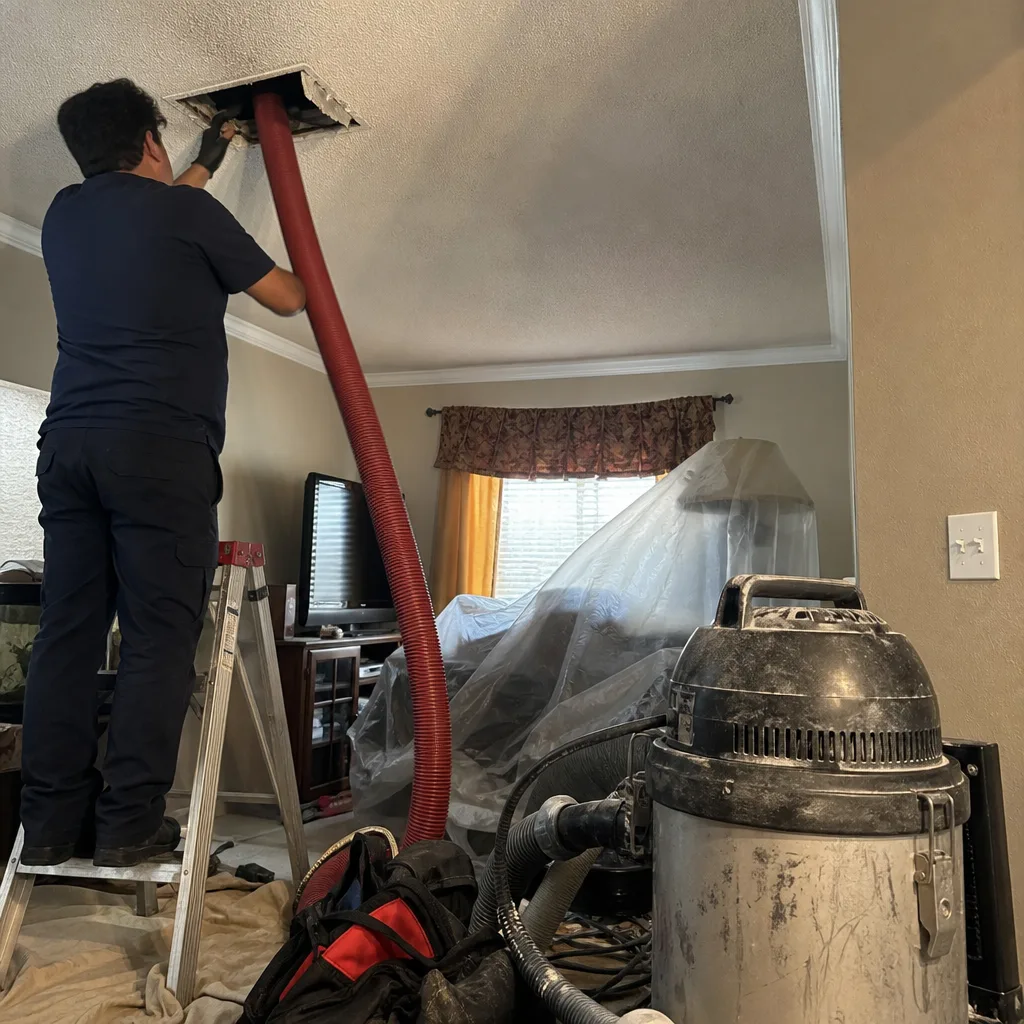 Before
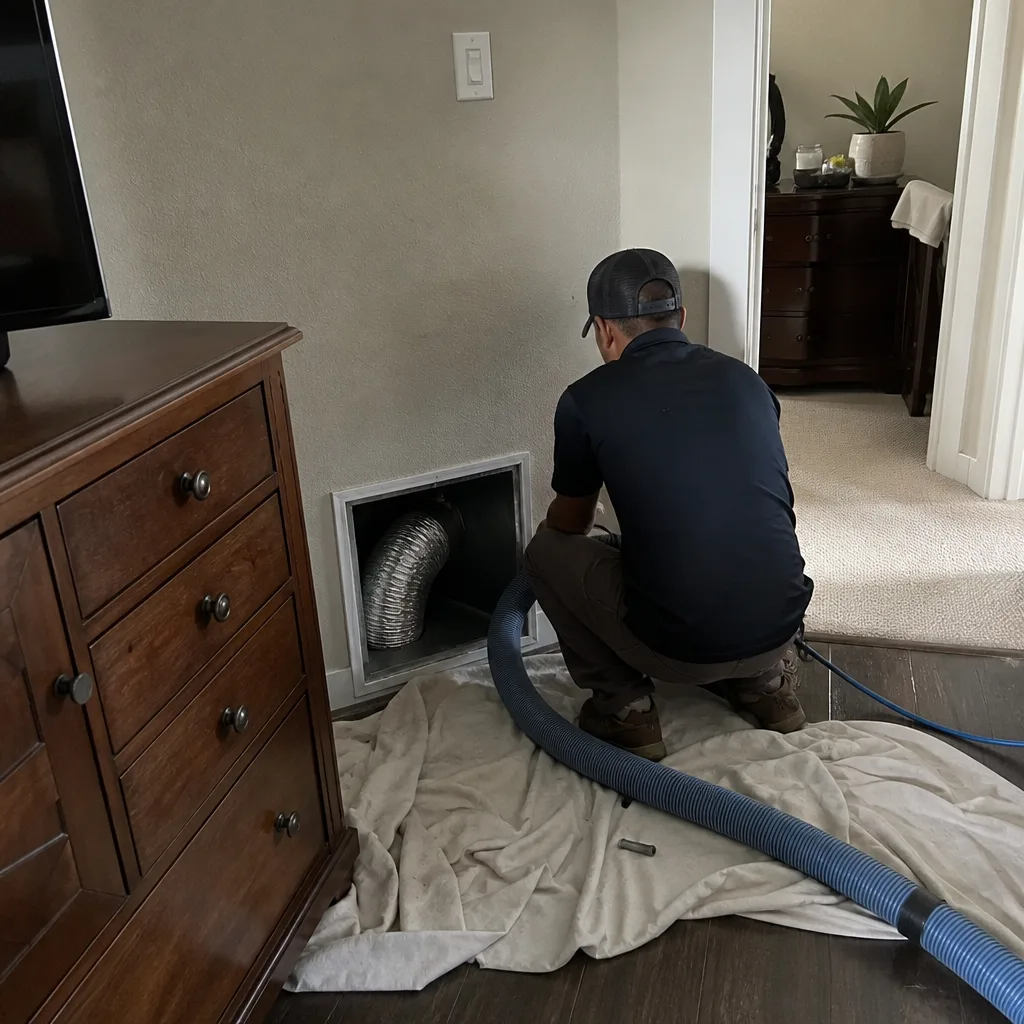 After
After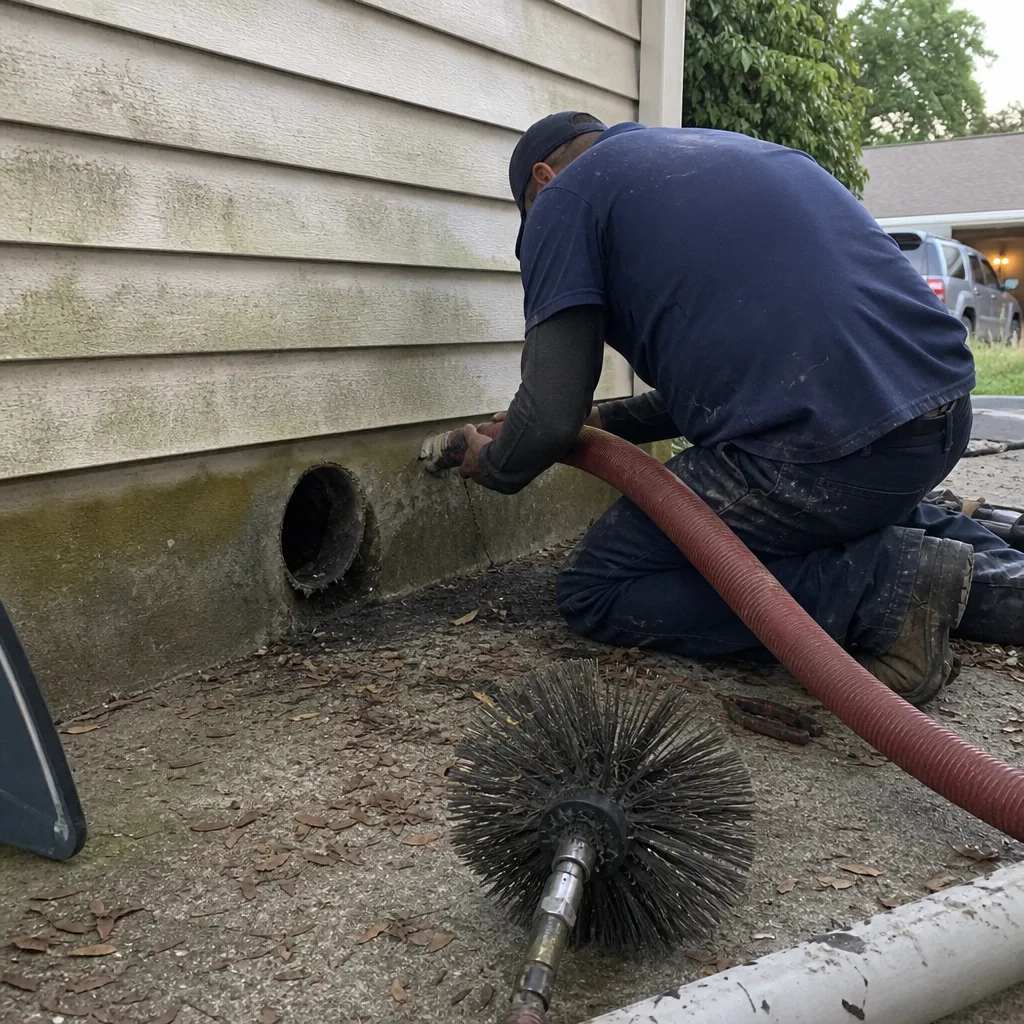 Before
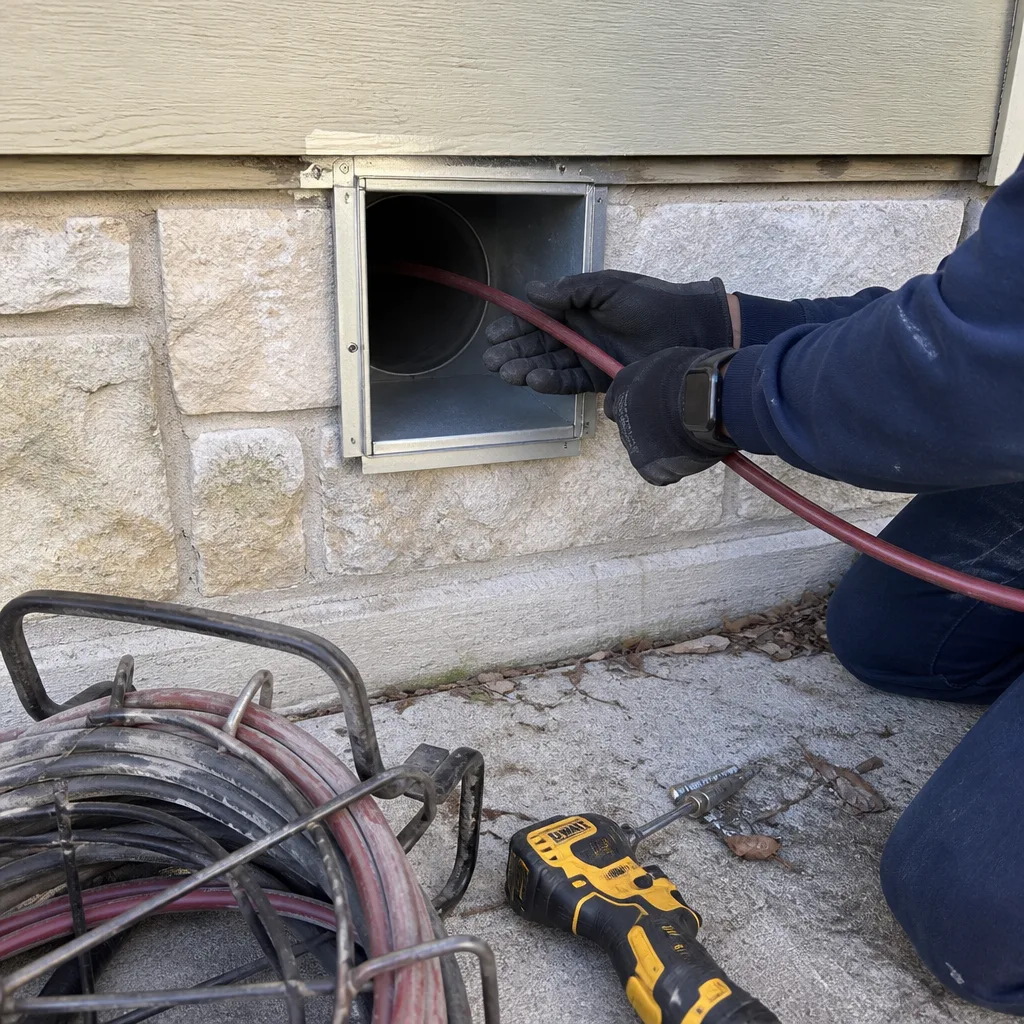 After
After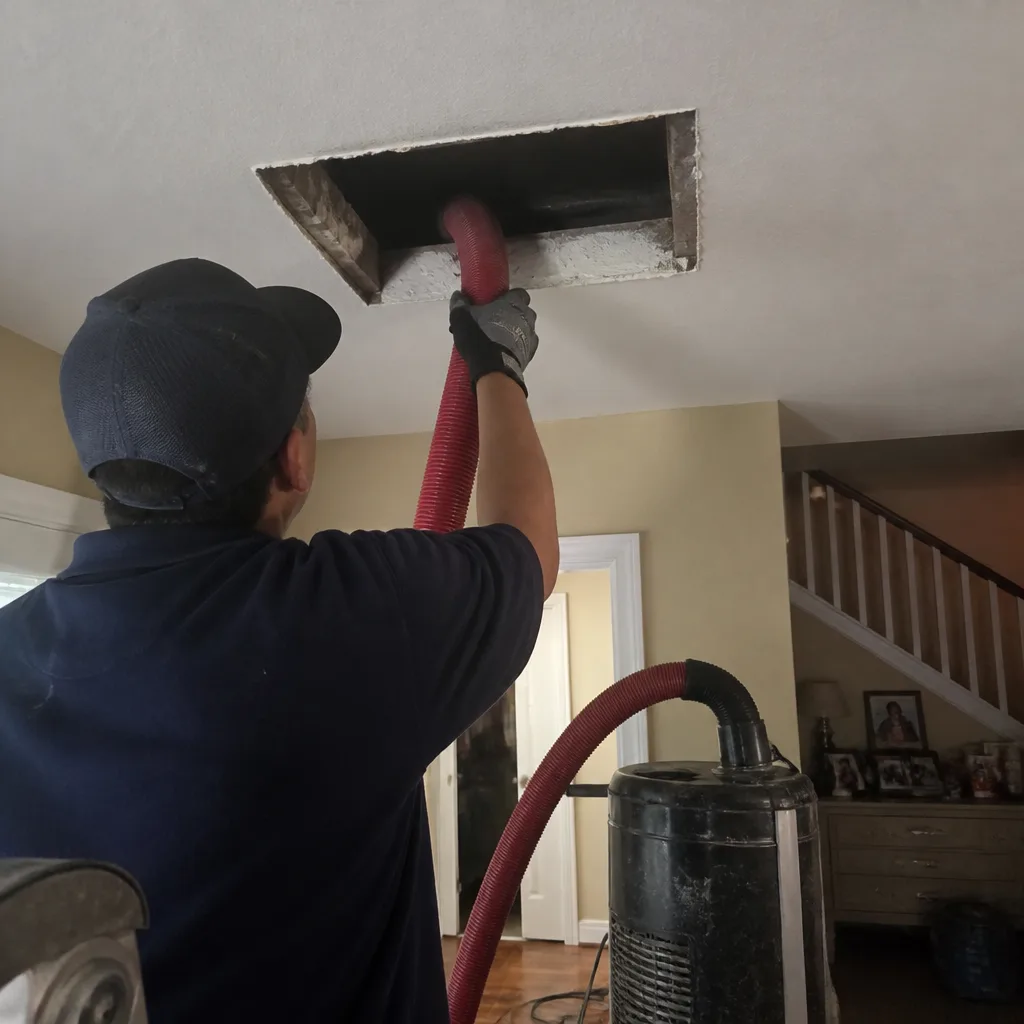 Before
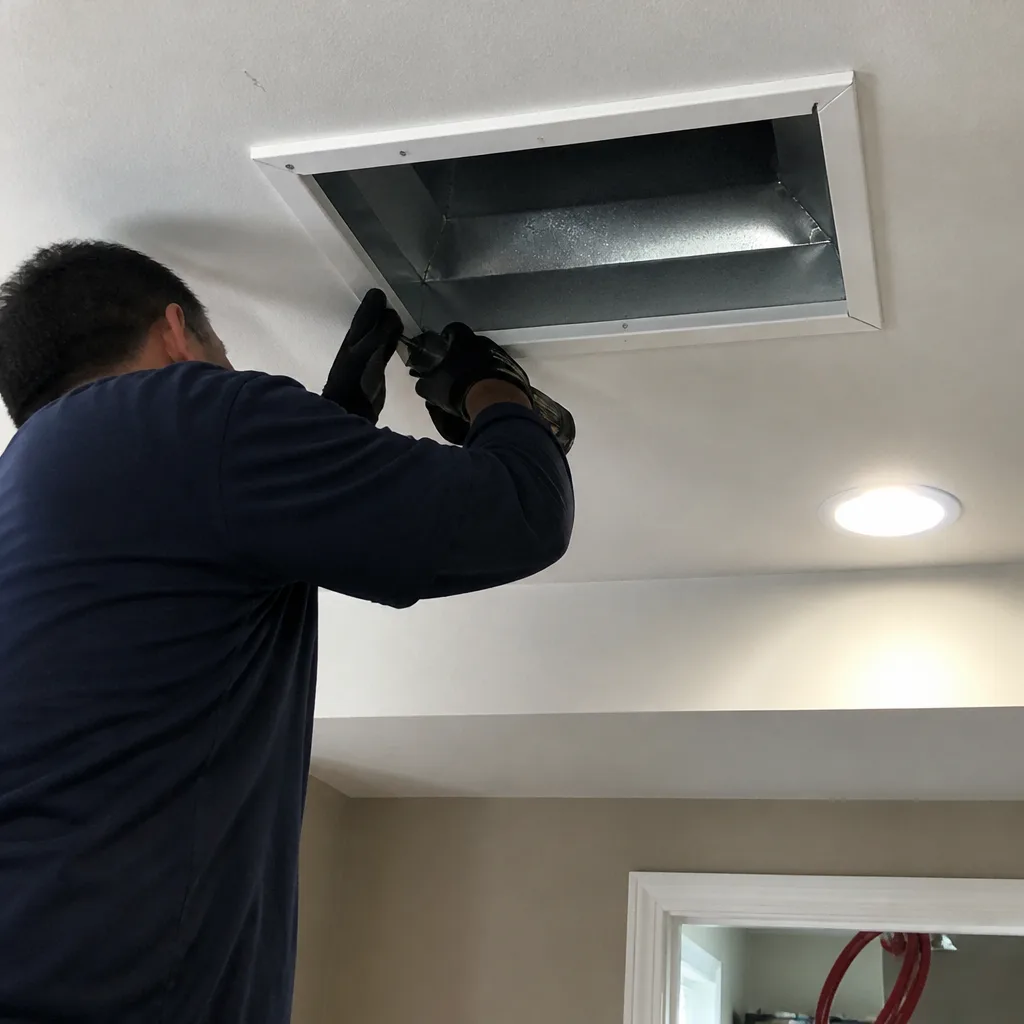 After
AfterDIY or Call Us?
There are two things a careful Dallas homeowner can safely do before calling us: change the air filter (a clogged 1-inch filter causes the same symptoms as a dirty coil) and visually inspect the coil through the access panel. If you see a visible dust blanket or dark, greasy buildup on the fins, that’s professional-grade contamination and it needs professional extraction, not a spray bottle and a brush. The danger with DIY coil cleaning is not the chemical: it’s the fins. Aluminum Honeywell fins bend under light finger pressure, and a bent fin section restricts airflow permanently until it’s combed straight again. We use negative-pressure extraction and fin-safe cleaning agents designed for this exact task. If you’re not sure what you’re looking at, call (361) 309-3153 and we’ll talk you through it before you ever schedule anything.
FAQs
Every 2 to 3 years for most Dallas homes, more often if you have pets, run the system year-round, or live near construction or a major road. Cottonwood season in April and May, plus the fine clay dust that blows in from West Texas during dry spells, shortens that interval. A coil can look fine from the outside and still be carrying a half-inch of compacted dust on the inner side.
If your system hasn’t been cleaned in 5+ years, it’s time. Call (361) 309-3153 for an honest assessment.
No. A coil that is merely dirty gets cleaned; a coil that is corroded, leaking refrigerant, or physically damaged gets replaced. The repair-versus-clean decision comes down to what we find once the coil is exposed. If the fins are too far gone or the tubing has pinhole leaks, no cleaning will fix it, and we’ll tell you that plainly before quoting a replacement. We don’t sell coil replacements that aren’t needed.
Plan on 2 to 3 hours for an evaporator coil cleaning when access is through a standard panel. Add another hour if the coil is in a tight attic or crawlspace, and expect a full morning if we’re doing both the evaporator and condenser coils. The cleaning itself is methodical work, not a quick spray-and-go, and the drying time before the system is re-energized is part of the visit.
We keep our standard coil cleaning agents, fin combs, and extraction equipment on the truck for every Dallas job. We do not use Honeywell-branded chemicals specifically, because Honeywell does not manufacture coil cleaning agents for the homeowner or independent service market. What we use is a professional-grade, non-acidic cleaner matched to your coil’s fin material. The right chemical for aluminum Honeywell fins is not the same as the right chemical for older copper-and-steel coils, and we match it on-site.
Call Linden Air Duct Dallas for Honeywell Coil Cleaning
We’re an independent Dallas service provider, not affiliated with Honeywell, but we know Honeywell coils in this climate because we’ve cleaned hundreds of them across the metro, from older ranch-style homes in Lake Highlands where the coils haven’t been touched in decades, to newer builds in Frisco and McKinney. The price is in writing before any work begins. The technician’s name and photo are sent to you before the visit, and they show a photo ID badge at the door. Every tech on our crew is background-checked and identity-verified under the Threshold Standard. If I wouldn’t leave it in my own system, I’m not leaving it in yours. Call (361) 309-3153 for a free estimate, or to talk through what you’re seeing on your Honeywell coil today.
Written by Marcus Veale, Owner, Linden Air Duct Dallas at Linden Air Duct Dallas, serving Dallas and nearby areas.